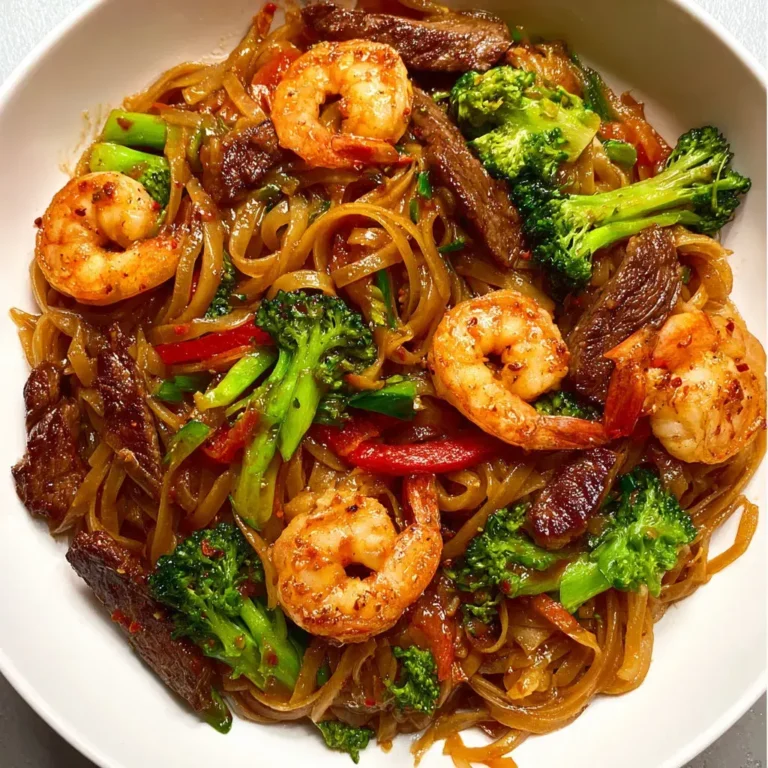
Hibachi Steak Shrimp Rice
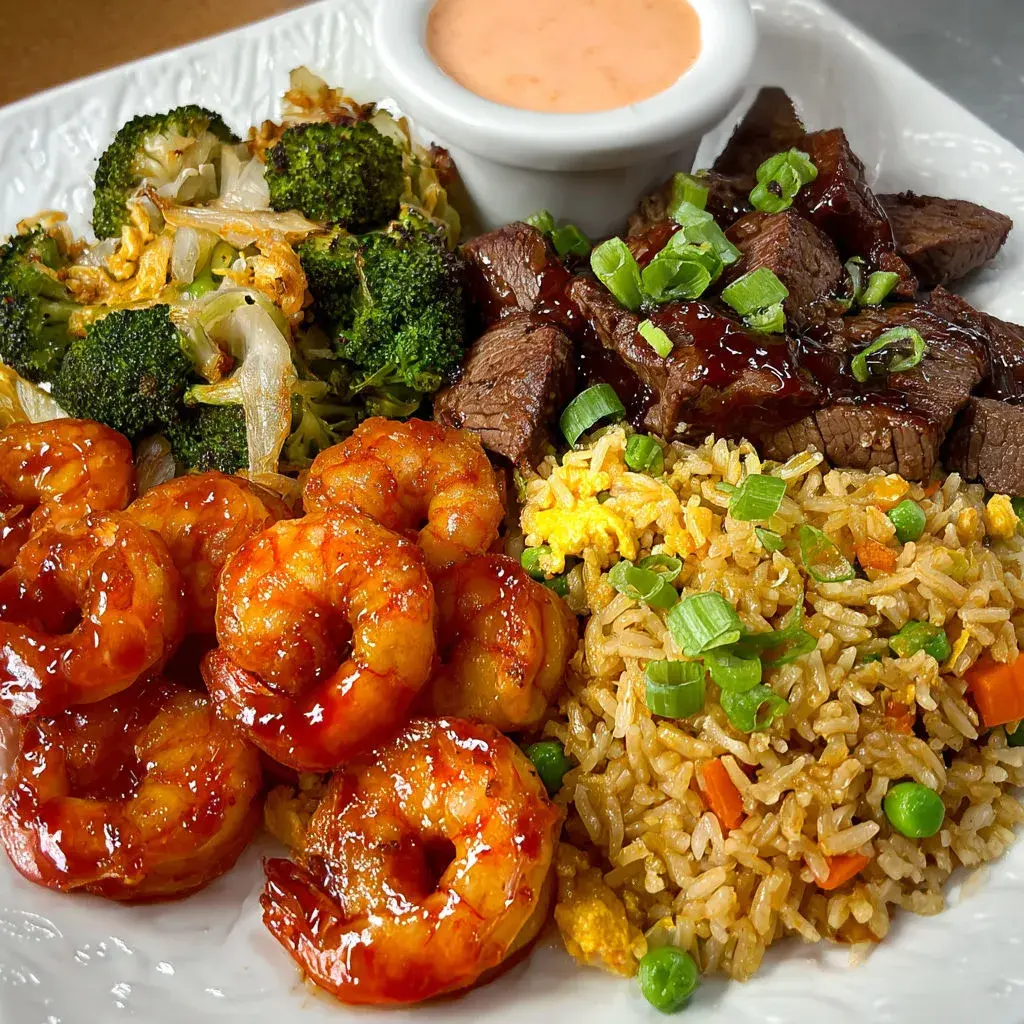
Table of Contents
Hibachi Steak Shrimp Rice
Introduction
Did you know that according to a survey by the National Restaurant Association, over 60% of Americans enjoy hibachi-style meals at least once a month for their flavorful blend of protein, veggies, and rice? If you’ve ever dreamed of bringing that sizzling hibachi steak shrimp rice experience home without the restaurant bill, you’re in luck. This comprehensive recipe for hibachi steak shrimp rice delivers all the theatrical flair and delicious taste of your favorite Japanese steakhouse right in your own kitchen. We’ll guide you through creating juicy steak strips, tender shrimp, crisp vegetables, and perfectly seasoned fried rice, all smothered in homemade sauces that rival any Benihana classic.
Imagine the aroma of garlic butter sizzling on a hot teppanyaki grill as your steak sears to perfection and shrimp dances with vibrant veggies. This dish isn’t just about filling your stomach—it’s about crafting a memorable meal that impresses family and friends. Whether you’re a seasoned home cook or just starting out, our hibachi steak shrimp rice recipe is designed for success, with step-by-step instructions that make it foolproof. We’ll explore everything from ingredient swaps to nutritional perks, ensuring you can customize this classic to fit your lifestyle.
As you embark on this culinary adventure, remember that hibachi cooking is all about balance—rich, savory flavors from the meats and sauces, contrasted with the fresh crunch of vegetables and the comforting warmth of rice. Studies show that meals incorporating lean proteins like steak and seafood can boost heart health when paired with veggies, making this hibachi steak shrimp rice a smart choice for a wholesome dinner. So, grab your apron, fire up the grill, and let’s master the art of hibachi at home!
Ingredients List
To create an authentic hibachi steak shrimp rice experience, you’ll need a symphony of ingredients that combine for that signature flavor. Let’s break it down, with sensory notes, quantities for 4 servings, and easy substitutions to keep things flexible—because great cooking should never be a hassle.
- Steak (1 lb ribeye or sirloin, thinly sliced): The star of the show, offering a juicy, tender mouthfeel with deep, smoky umami notes. The brown butter sauce clings beautifully to its rich texture.
- Shrimp (1 lb large, peeled and deveined): Succulent and sweet, with a delicate snap that balances the steak’s heft. Marinated, they absorb garlic notes for a fragrant, oceanic burst.
- Mixed Vegetables (2 cups, like zucchini, mushrooms, onions, and bell peppers, sliced): Crisp and vibrant, adding a fresh pop of color and crunch—think juicy zucchini and earthy mushrooms with caramelized onion sweetness.
- Cooked Rice (3 cups, preferably day-old for better texture): Fluffy and lightly toasted rice that’s absorbent for seasonings, creating a comforting base with nutty undertones.
- Garlic Butter Sauce: Melted butter (1/2 cup) infused with minced garlic (4 cloves) and lemon juice (2 tbsp)—indispensable for drizzling, offering rich, aromatic creaminess.
- Yum Yum Sauce (dipping companion): Mayo (1/2 cup), ketchup (2 tbsp), garlic powder (1 tsp), and a dash of paprika for a tangy, creamy dip that’s mildly spicy and addictive.
- Seasonings: Soy sauce or tamari (for gluten-free), sesame oil (for nutty depth), ginger, and green onions for that hibachi kick.
Expert tip: For substitutions, swap steak for chicken if you’re watching calories—still juicy yet leaner. Gluten-sensitive? Stick to tamari. Vegetarians can use tofu or extra veggies to mimic the proteins. Always choose fresh ingredients for the brightest flavors; frozen shrimp works in a pinch, thawing quickly for that same plump texture.
Timing
Time is precious in the kitchen, so let’s keep this hibachi steak shrimp rice efficient. Prep time clocks in at 15 minutes—think slicing veggies, mincing garlic, and marinating proteins. Cooking time is about 20 minutes, with active cooking on a hot grill or skillet ensuring everything stays tender and not overdone. Total time: 35 minutes from start to sizzling plate.
Compared to typical homestyle hibachi recipes, this is on the quicker side—many take 45-60 minutes due to more complex sauces, but our streamlined approach (like prepping sauces ahead) saves you precious minutes. Average restaurant hibachi prep might take longer due to theatrical flair, but at home, you’re the chef, serving in less than an hour. Pro move: Multitask by pre-heating your grill while chopping—shaves off downtime and gets dinner on the table faster.
Step-by-Step Instructions
Prepared the Sauce
Kick things off by making your sauces— they’re the soul of hibachi flavor. In a small bowl, whisk together softened butter, minced garlic, and lemon juice until smooth. Set aside. For the yum yum, mix mayo, ketchup, garlic powder, and paprika in another bowl—taste and adjust for that perfect creamy tang. These sauces build layers of buttery richness and zesty kick, ensuring every bite is elevated.
Marinate the Steak and Shrimp
Slather your steak and shrimp in a quick marinade of soy sauce (1/4 cup), sesame oil (1 tbsp), grated ginger (1 tsp), and minced garlic (2 cloves). Let them sit for 10 minutes at room temp—this infuses deep umami and tenderness, making the steak juicy and shrimp plump without overcooking.
Heat the Hobachi Grill
Fire up your grill or large skillet over high heat—aim for that sizzling temperature where a drop of water dances. Add a swirl of oil (or butter) to prevent sticking and create that authentic teppanyaki char. Patiently wait until it’s smoking; this ensures crispy edges on everything.
Cook the Steak
Lay the marinaded steak strips on the hot grill in a single layer—Crimp and flip with spatula spatulas for even searing, about 3-4 minutes per side for medium-rare. The smell of searing beef will fill your kitchen, yielding tender, caramelized outsides with pink centers. Rest briefly to lock in juices.
Cook the Shrimp
Segue to the shrimp: Add them next, cooking 2-3 minutes until pink and opaque, with a curl. Stalk them closely—they cook fast! Toss in green onions for a burst of freshness. The shrimp’s sweetness shines here, complementing the steak’s boldness.
Sauté the Vegetables
Throw in the veggies—zucchini, mushrooms, and peppers—stir-frying for 3-4 minutes until crisp-tender. Season with salt, pepper, and a dash of soy; the result is colorful, al dente goodness that adds texture contrast to the meal.
Make the Fried Rice
Push items aside and add rice, scrambled egg (optional), and more soy to the grill. Break up clumps with your spatula, toasting for nutty flavor—about 3 minutes. It absorbs all the pan drippings for unbeatable taste.
Assemble and Serve
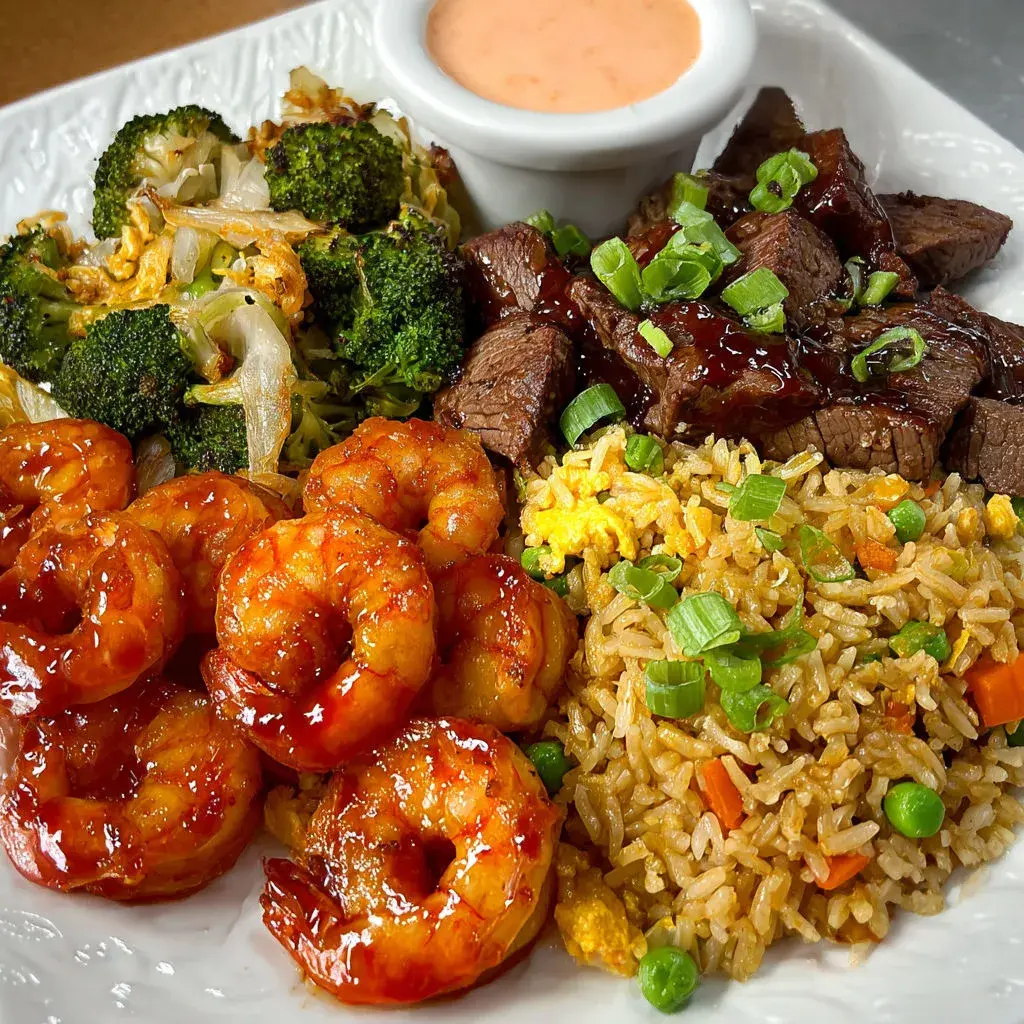
Plate it up: Rice base, topped with steak, shrimp, veggies. Drizzle with garlic butter and serve yum yum on the side. Garnish with sesame seeds for crunch. Serve hot—it’s a showstopper!
Nutritional Information
Per serving (approximate, based on 4 servings—consult a professional for exact needs):
- Calories: 550 kcal – A satisfying yet not excessive start to your meal.
- Protein: 45g – From steak and shrimp, supporting muscle health.
- Carbs: 40g – Mostly from rice, providing steady energy.
- Fat: 25g (12g saturated) – Moderate, with healthy fats from butter and oil.
- Fiber: 6g – Boosted by veggies for digestive comfort.
- Sodium: 900mg – Manageable with low-sodium soy swaps if needed.
This hibachi steak shrimp rice balances indulgence with nourishment—high in protein for satiety, with veggies adding vitamins A and C. It’s a mid-range calorie dish perfect for family dinners, and scaling portions keeps it flexible for diets.
Healthier Alternatives
Craving hibachi steak shrimp rice but watching your health? No problem—swap strategically to trim calories or boost nutrients without sacrificing flavor.
- Leaner Protein: Opt for sirloin over ribeye—cuts fat while keeping juiciness. Use grilled chicken or tofu for a lighter, heart-healthy twist.
- Dressing Downsizing: Halve the butter in sauces and use Greek yogurt in yum yum for creamy lightness—saves 100 calories per serving yet retains tanginess.
- Veggie Boost: Double the zucchini and mushrooms for volume and fiber, reducing rice by half and adding cauliflower rice for low-carb options.
- Oil Smarts: Swap regular oil for avocado or olive oil during cooking—enhances heart-healthy fats and that sizzling aroma.
These tweaks preserve the garlicky, savory profile while aligning with keto or gluten-free lifestyles. Test small batches to find your perfect balance!
Serving Suggestions
Elevate your hibachi steak shrimp rice with these creative pairings for a complete experience.
- Pair with Miso Soup or edamame for Asian flair, complementing the seafood notes.
- Serve on a platter for family-style dining, fostering sharing and conversation.
- Add fresh lettuce wraps for low-carb enjoyment, or over quinoa for protein variety.
- Garnish liberally with green onions, sesame seeds, and a lemon wedge for brightness.
- Wine Match: Crisp Sauvignon Blanc cuts through the richness; for non-alcohol, try green tea.
These ideas turn a simple meal into a feast—perfect for date nights or group gatherings. Remember, presentation matters; sizzling on the grill keeps the theater alive.
Common Mistakes
Even hibachi pros can stumble—avoid these pitfalls for flawless steak shrimp rice.
- Overcooking Proteins: Steak and shrimp toughen quickly—cook only until done, resting steak briefly.
- Neglecting Marinade: Skip marinating, and flavors fall flat; let it infuse for at least 10 minutes.
- Crowded Pan: Give items space to sear properly—cook in batches if needed.
- Soggy Veggies: Over-sauté, and crunch disappears; keep them crisp-tender for texture.
- Underseasoned Rice: Be generous with soy—rice absorbs flavor like a sponge.
Steer clear, and your hibachi will shine. Cooking is forgiving—practice makes perfect!
Storing Tips
Got leftovers? Here’s how to preserve that hibachi magic.
- Cool Quickly: Store components separately in airtight containers to prevent sogginess.
- Refrigerate: Up to 3 days—reheat rice and veggies on high, proteins on medium to avoid dryness.
- Freeze Option: Rice and veggies freeze for 2 months; thaw and refresh on the grill.
- Sauce Beware: Keep sauces cold; mix fresh garlic butter upon reheating for best taste.
- Revive Flavor: Splash soy and butter during reheating to restore sizzle.
Smart storing means hibachi steak shrimp rice stays delicious—don’t toss it!
Conclusion
There you have it—a foolproof guide to hibachi steak shrimp rice that brings restaurant quality to your table. From sizzling steaks and succulent shrimp to vibrant veggies and flavorful rice, this recipe captures the essence of Japanese teppanyaki cooking, tailored for home success. With data indicating growing interest in fusion cuisines, mastering this dish positions you as a culinary hero, impressing guests while nourishing your body.
We’ve covered everything: ingredients with swaps, efficient timing, detailed steps, nutrition, healthier tweaks, serving ideas, pitfalls to avoid, and storage hacks. Now, it’s your turn to experiment—adjust seasonings to taste, and remember, cooking is intuitive. If you loved this, share in the comments below and subscribe for more recipes like this one.
Ready to bring the hibachi heat? Pin or bookmark this recipe for your next grilling adventure—let’s make magic together!
Join our community on social media for tips, and don’t forget: Hit that star rating if this post sparked your kitchen creativity!
FAQs
***Can I make hibachi steak shrimp rice gluten-free?*** Yes! Swap soy sauce for tamari or coconut aminos—the flavors remain robust without gluten.
***What’s the best way to reheat leftovers?*** Use a hot skillet or wok—stir-fry portions to revive texture, adding a bit of butter for moisture.
***Is hibachi steak shrimp rice suitable for beginners?*** Absolutely—it’s forgiving with basic skills. Follow steps closely for pro results on your first try.
***Can I use frozen shrimp?*** Totally—thaw under cold water first. It still delivers that plump, juicy bite.
***How do I make it spicier?*** Amp up with chili flakes in marinades or sriracha in sauces—customize to your heat preference!
Hibachi Steak Shrimp Rice
Savor steak, shrimp, vegetables, and fried rice in classic hibachi style with easy homemade sauces.
Ingredients
- 450 g steak, cut into bite-sized pieces
- Salt, to taste
- Freshly ground black pepper, to taste
- 60 ml soy sauce
- 30 ml white vinegar
- 12 g sugar
- 2 garlic cloves, minced
- 7 g fresh ginger, grated
- 0.5 g ground black pepper
- 350 g shrimp, peeled and deveined
- Salt, to taste
- Freshly ground black pepper, to taste
- Paprika, to taste
- Olive oil, for cooking
- 60 ml soy sauce
- 28 g brown sugar
- 3 garlic cloves, minced
- 1 g red pepper flakes
- 2 ml sriracha sauce (optional)
- 8 g cornstarch
- 1 medium onion, sliced
- 300 g broccoli florets
- Vegetable oil, for cooking
- 60 ml soy sauce
- 28 g brown sugar
- 1 g red pepper flakes
- 5 g oyster sauce
- 8 g cornstarch
- 630 g day-old cooked rice
- 150 g frozen peas and carrots
- 1/2 onion, chopped
- 45 ml soy sauce
- 28 g brown sugar
- 5 g oyster sauce
- 2 eggs, lightly beaten
- 1 green onion, chopped
- 30 ml vegetable oil
- 240 g mayonnaise
- 32 g tomato paste
- 15 ml rice vinegar
- 1.5 g salt
- 1.5 g ground black pepper
- 2.5 g smoked paprika
- 4 g sugar
- 4 g garlic powder
- 15 ml melted butter
- 30 ml water
Instructions
- Season steak pieces lightly with salt and black pepper. In a bowl, combine soy sauce, white vinegar, sugar, minced garlic, grated ginger, and black pepper to create the steak sauce.
- Heat a large skillet over medium-high heat. Add a small amount of oil, then sear steak pieces for 1 to 2 minutes on each side until browned. Remove steak from pan and set aside.
- Pour prepared steak sauce into the skillet and heat until it begins to thicken. Return steak to the pan, tossing to coat thoroughly. Remove from heat once sauce clings to the steak.
- Season shrimp with salt, black pepper, and paprika. Whisk together soy sauce, brown sugar, minced garlic, red pepper flakes, sriracha (if using), and cornstarch to make shrimp sauce.
- Add a small amount of olive oil to a clean skillet over medium-high heat. Cook shrimp for 2 to 3 minutes per side until opaque and curled into a C shape. Remove shrimp from pan.
- Add shrimp sauce to the skillet and cook briefly until starting to thicken. Return cooked shrimp to the pan and toss well to coat. Remove from heat once sauce adheres to the shrimp.
- Slice onion and cut broccoli into small florets. Mix soy sauce, brown sugar, red pepper flakes, oyster sauce, and cornstarch to prepare the vegetable sauce.
- Heat oil in a pan over medium-high heat. Add onions and cook until softened, then add broccoli and stir-fry for 4 to 5 minutes. Reduce heat to medium-low, pour in sauce, and stir until thickened, cooking 2 to 3 minutes further.
- In a wok or large skillet over medium-high heat, add oil. Sauté chopped onion, peas, and carrots until tender. Push vegetables to the side and scramble eggs in the cleared space.
- Add cold rice, soy sauce, brown sugar, and oyster sauce. Combine all ingredients, stir-frying vigorously. Mix in chopped green onion before serving.
- Whisk together mayonnaise, tomato paste, rice vinegar, salt, pepper, smoked paprika, sugar, garlic powder, melted butter, and water until smooth and creamy. Chill until ready to serve.
Notes
Pre-cooked, cold day-old rice produces the best fried rice texture and prevents clumping during stir-frying.
Add shrimp and steak sauces only after initial cooking to avoid overcooking and guarantee optimal tenderness.
Nutrition
- Calories: 780
- Fat: 35 g
- Carbohydrates: 88 g
- Protein: 34 g