Authentic German Meatballs Recipe – Easy & Delicious
“`html
Table of Contents
- Authentic German Meatballs Recipe – Easy & Delicious
- Why You’ll Love This German Meatball Recipe
- Ingredients for Authentic German Meatballs
- Timing is Everything
- Step-by-Step Instructions
- Nutritional Information
- Healthier Alternatives
- Serving Suggestions
- Common Mistakes to Avoid
- Storing Tips
- Frequently Asked Questions (FAQs)
Authentic German Meatballs Recipe – Easy & Delicious
Why You’ll Love This German Meatball Recipe
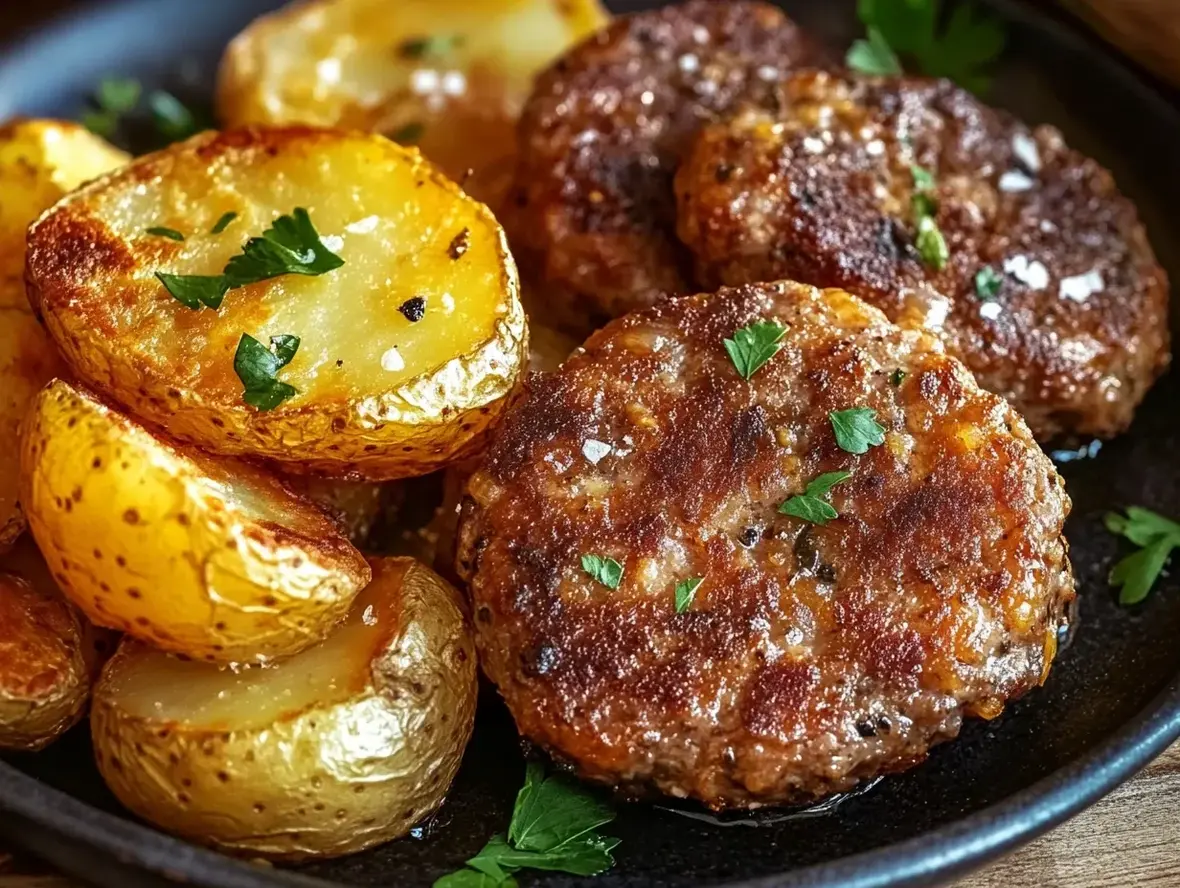
Are you looking for a classic, comforting dish that’s bursting with flavor and tradition? German meatballs, known as Frikadellen or Fleischpflanzerl, are a beloved staple in German cuisine, often enjoyed as a hearty meal or a satisfying snack. But how do you ensure your homemade meatballs are as tender, flavorful, and authentic as those found in a traditional German Gasthaus? This easy and delicious recipe will guide you through every step, ensuring perfect results every time. We’re talking about succulent, pan-fried patties that are savory, slightly spiced, and incredibly versatile. They’re far more than just ground meat; they’re a taste of German heritage!
This recipe focuses on simplicity and quality ingredients, yielding meatballs that are both incredibly satisfying and surprisingly easy to make. Whether you’re a seasoned cook or just starting in the kitchen, you’ll find this guide approachable and the results truly rewarding. Get ready to impress your family and friends with these authentic German delights!
Ingredients for Authentic German Meatballs
The key to great German meatballs lies in the quality and combination of simple, fresh ingredients. Here’s what you’ll need:
- 1 lb (450g) Ground Meat: A mix of equal parts ground beef and pork is traditional and provides the best flavor and texture.
- For a leaner option: Use 100% ground beef, though the texture might be slightly less tender.
- For a richer flavor: You can also opt for a mix with a little ground veal.
- 1/2 cup Stale Bread Crumbs or Panko: These act as a binder and help keep the meatballs moist. Stale bread is ideal as it absorbs moisture without making the mixture too mushy.
- Substitution: If you don’t have stale bread, you can toast fresh bread until dry and then crumble or process it. Alternatively, a store-bought breadcrumb will work in a pinch.
- 1/4 cup Milk: To soak the bread crumbs, ensuring a tender interior.
- 1 small Onion: Finely chopped. It adds a subtle sweetness and moisture.
- Tip: For milder onion flavor, rinse the chopped onion under cold water and pat dry.
- 1 large Egg: Lightly beaten. This is essential for binding all the ingredients together.
- 1 tsp Mustard: Dijon or German mustard for a tangy kick. It complements the richness of the meat beautifully.
- 1/2 tsp Salt: Or to taste.
- Sensory Note: Salt enhances all the other flavors, making the meat savory and irresistible.
- 1/4 tsp Black Pepper: Freshly ground for the best aroma and taste.
- Pinch of Nutmeg (Optional): A classic German spice that adds a warm, slightly sweet, and nutty aroma.
- 2-3 tbsp All-Purpose Flour: For dusting the meatballs before frying.
- 2 tbsp Vegetable Oil or Butter: For frying.
Timing is Everything
15 minutes
20-25 minutes
35-40 minutes
Compared to the average meatball recipe which often takes 45-60 minutes, this recipe is designed for efficiency without sacrificing flavor. The minimal cooking time for the onions and the quick forming process make it a great weeknight option.
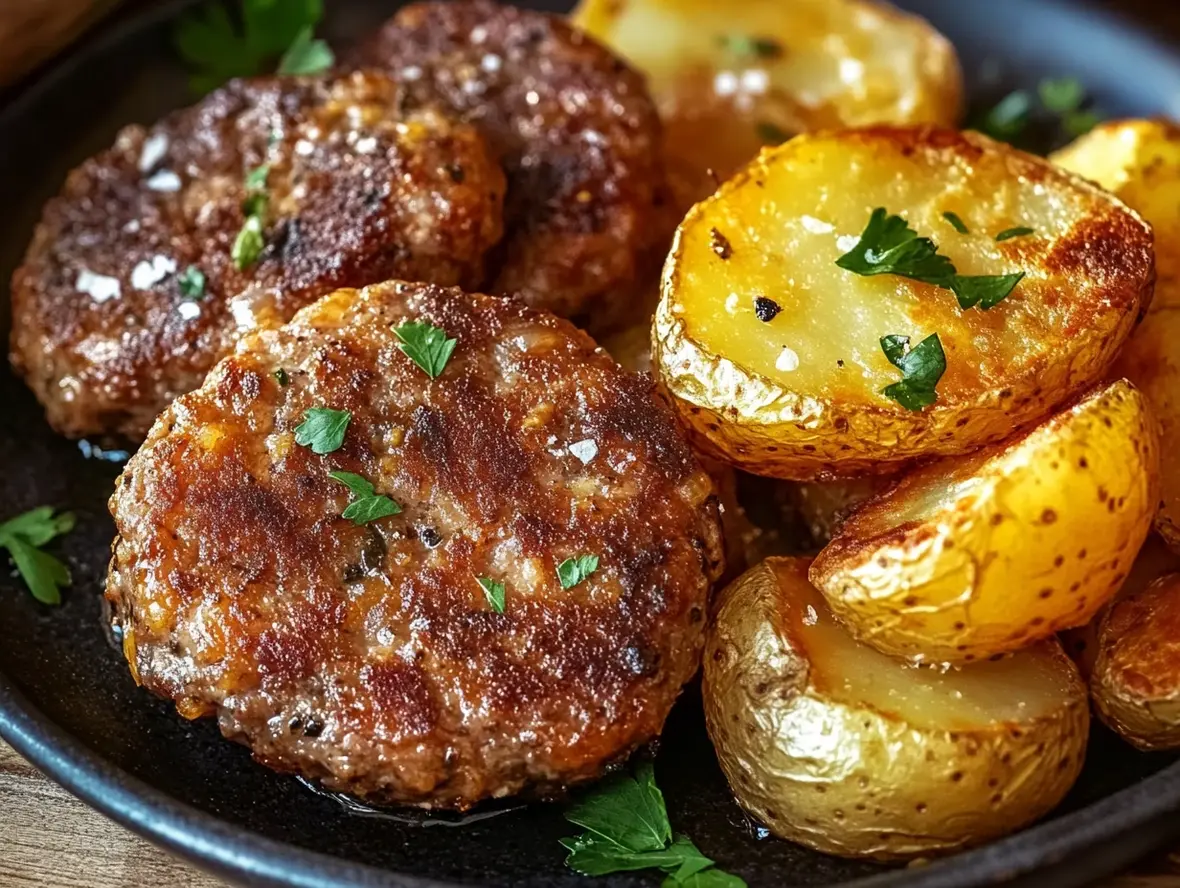
Step-by-Step Instructions
Step 1: Prepare the Bread Crumbs
In a small bowl, combine the stale bread crumbs (or toasted fresh bread) with the milk. Let it sit for about 5-10 minutes, stirring occasionally, until the crumbs are softened and have absorbed most of the milk. This step is crucial for super tender meatballs!
Step 2: Mix the Meatball Base
In a large mixing bowl, add the ground meat (beef and pork mix), the soaked bread crumbs, finely chopped onion, beaten egg, mustard, salt, pepper, and nutmeg (if using). Gently mix all the ingredients with your hands until just combined. Be careful not to overmix, as this can lead to tough meatballs. The mixture should feel slightly sticky but hold its shape.
Step 3: Form the Meatballs
Lightly flour your hands. Take about 2 tablespoons of the meat mixture and gently roll it between your palms to form a ball, about 1.5 to 2 inches in diameter. You can also form them into flatter, disc-like shapes, which is quite traditional for Frikadellen. Place the formed meatballs on a plate or baking sheet.
Step 4: Cook the Meatballs
Heat the vegetable oil or butter in a large skillet over medium heat. Once shimmering, carefully add the meatballs, ensuring not to overcrowd the pan (cook in batches if necessary). You can dust them lightly in flour before adding them to the pan for a nice golden crust. Pan-fry the meatballs for about 8-12 minutes, turning them occasionally, until they are browned on all sides and cooked through. The internal temperature should reach 160°F (71°C). Remove the cooked meatballs and place them on a plate lined with paper towels to drain excess grease.
Step 5: Make the Sauce (Optional, but Recommended)
While the meatballs are cooking or draining, you can whip up a simple sauce. If you have pan drippings, you can use them. Sauté a bit more finely chopped onion in the same skillet until softened. Deglaze the pan with a splash of broth or white wine. Whisk in a tablespoon of flour to thicken, then add about 1 cup of beef or vegetable broth. Simmer until thickened, then season with salt and pepper. Some variations include a dollop of sour cream or a bit of heavy cream for richness.
Nutritional Information
(Note: Nutritional values are approximate and can vary based on ingredients and portion sizes.)
- Calories: ~250-300 per serving (2-3 meatballs)
- Protein: ~18-22g
- Fat: ~15-20g
- Carbohydrates: ~8-12g
- Sodium: Varies based on salt added.
Healthier Alternatives
To make these German meatballs a lighter option without sacrificing taste extensively:
- Leaner Meat: Use 100% lean ground turkey or chicken, or a mix with 93% lean ground beef.
- Reduced Fat Binder: Substitute half of the ground meat with finely chopped mushrooms or zucchini for added moisture and fewer calories.
- Greens: Incorporate finely chopped spinach or kale into the meat mixture.
- Cooking Method: Bake the meatballs instead of pan-frying, or use an air fryer. This significantly reduces the need for added fat.
- Sauce: Opt for a lighter gravy base using broth and a cornstarch slurry instead of a roux.
Serving Suggestions
German meatballs are incredibly versatile! Serve them:
- As a main course: With mashed potatoes, spaetzle, or a classic German potato salad.
- With a side: Accompanied by sauerkraut, red cabbage (Rotkohl), or a fresh green salad.
- In a sauce: Smothered in a creamy mushroom sauce or a tangy mustard sauce.
- As a snack: Enjoyed warm with a side of mustard or remoulade.
- In a roll: A German-style meatball sub, perhaps?
Common Mistakes to Avoid
- Overmixing the Meat: This is the most common culprit for tough, dense meatballs. Mix just until ingredients are incorporated.
- Too Much Breadcrumb: Using too many breadcrumbs will make the meatballs dry and crumbly. Follow the ratio!
- Overcrowding the Pan: This leads to steaming rather than browning, and the meatballs won’t develop a good crust. Cook in batches.
- Not Cooking Thoroughly: Ensure the meatballs are cooked to a safe internal temperature (160°F/71°C) to avoid foodborne illness.
- Using All Lean Meat Without Adjustments: Leaner meats can be drier. The fat from pork is beneficial, or consider adding moisture through shredded vegetables if using only lean meat.
Storing Tips
Cooked Meatballs: Once cooled, store leftover cooked meatballs in an airtight container in the refrigerator for up to 3-4 days. They can be reheated gently on the stovetop, in the oven, or in the microwave.
Uncooked Meatballs: Raw meatballs can be frozen on a baking sheet until firm, then transferred to a freezer bag or container for up to 2-3 months. Thaw in the refrigerator before cooking. For best results, cook from frozen by adding a few extra minutes to the cooking time.

Frequently Asked Questions (FAQs)
***Are German meatballs always made with a mix of beef and pork?***
Traditionally, yes. The mix of beef and pork offers a wonderful balance of flavor and moisture. However, you can use all beef or even a meatball made with ground turkey or chicken if you prefer.
***Can I make these meatballs ahead of time?***
Yes! You can prepare the meatball mixture and form the meatballs a day in advance. Store them covered in the refrigerator before cooking. You can also freeze uncooked formed meatballs for longer storage.
***What is the difference between Frikadellen and Klopse?***
Frikadellen (or Fleischpflanzerl) are typically pan-fried or baked meatballs, similar to what we’ve described, often served without a rich sauce. Klopse, on the other hand, are usually boiled meatballs, most famously in a white sauce with capers (known as “Königsberger Klopse”).
***How do I know when the meatballs are cooked through?***
The safest way is to use a meat thermometer – the internal temperature should reach 160°F (71°C). If you don’t have one, cut into one of the meatballs to ensure there’s no pink inside and the juices run clear.
***Can I make these gluten-free?***
Absolutely! To make them gluten-free, simply substitute gluten-free breadcrumbs or even finely ground gluten-free oats for the regular breadcrumbs. Ensure your other ingredients (like mustard and broth if used in sauce) are also gluten-free.
Authentic German Frikadellen

Frikadellen, Germany’s beloved meat patties, are juicy, flavorful, and easy to make. Whether served with potato salad, mashed potatoes, or a hearty bread, they’re a satisfying comfort food with rich tradition.
Ingredients
- 1lb (450 g) ground beef (or a mix of ground beef and pork)1small onion, finely chopped1clove garlic, minced1large egg1slice stale white bread (or1/2 cupbreadcrumbs)1/4 cupmilk1 tspmustard (Dijon or yellow)1 tspsalt1/2 tspblack pepper1/2 tsppaprika1/2 tspground marjoram (optional)1 tbspparsley, chopped2 tbspoil or butter (for frying)
- 1small onion, finely chopped1clove garlic, minced1large egg1slice stale white bread (or1/2 cupbreadcrumbs)1/4 cupmilk1 tspmustard (Dijon or yellow)1 tspsalt1/2 tspblack pepper1/2 tsppaprika1/2 tspground marjoram (optional)1 tbspparsley, chopped2 tbspoil or butter (for frying)
- 1clove garlic, minced1large egg1slice stale white bread (or1/2 cupbreadcrumbs)1/4 cupmilk1 tspmustard (Dijon or yellow)1 tspsalt1/2 tspblack pepper1/2 tsppaprika1/2 tspground marjoram (optional)1 tbspparsley, chopped2 tbspoil or butter (for frying)
- 1large egg1slice stale white bread (or1/2 cupbreadcrumbs)1/4 cupmilk1 tspmustard (Dijon or yellow)1 tspsalt1/2 tspblack pepper1/2 tsppaprika1/2 tspground marjoram (optional)1 tbspparsley, chopped2 tbspoil or butter (for frying)
- 1slice stale white bread (or1/2 cupbreadcrumbs)1/4 cupmilk1 tspmustard (Dijon or yellow)1 tspsalt1/2 tspblack pepper1/2 tsppaprika1/2 tspground marjoram (optional)1 tbspparsley, chopped2 tbspoil or butter (for frying)
- 1/4 cupmilk1 tspmustard (Dijon or yellow)1 tspsalt1/2 tspblack pepper1/2 tsppaprika1/2 tspground marjoram (optional)1 tbspparsley, chopped2 tbspoil or butter (for frying)
- 1 tspmustard (Dijon or yellow)1 tspsalt1/2 tspblack pepper1/2 tsppaprika1/2 tspground marjoram (optional)1 tbspparsley, chopped2 tbspoil or butter (for frying)
- 1 tspsalt1/2 tspblack pepper1/2 tsppaprika1/2 tspground marjoram (optional)1 tbspparsley, chopped2 tbspoil or butter (for frying)
- 1/2 tspblack pepper1/2 tsppaprika1/2 tspground marjoram (optional)1 tbspparsley, chopped2 tbspoil or butter (for frying)
- 1/2 tsppaprika1/2 tspground marjoram (optional)1 tbspparsley, chopped2 tbspoil or butter (for frying)
- 1/2 tspground marjoram (optional)1 tbspparsley, chopped2 tbspoil or butter (for frying)
- 1 tbspparsley, chopped2 tbspoil or butter (for frying)
- 2 tbspoil or butter (for frying)
Instructions
- 1️⃣Prepare the Bread Mixture:
- Soak the slice of stale bread in milk for about 5 minutes, then squeeze out the excess milk and crumble the bread into small pieces. Set aside.2️⃣Combine the Ingredients:In a large mixing bowl, add the ground meat, soaked bread, onion, garlic, egg, mustard, salt, pepper, paprika, marjoram (if using), and parsley.Mix until just combined. Avoid overmixing to ensure the patties remain tender.3️⃣Shape the Frikadellen:Divide the meat mixture into 4-6 equal portions.Shape each portion into a flat, oval-shaped patty about 1/2-inch thick.4️⃣Cook the Frikadellen:Heat oil or butter in a large skillet over medium heat.Place the patties in the skillet and fry for 4-5 minutes per side, or until golden brown and fully cooked (internal temperature should reach 160°F/71°C).5️⃣Serve:Serve the Frikadellen warm with sides such as potato salad, mashed potatoes, sauerkraut, or crusty bread.
- 2️⃣Combine the Ingredients:In a large mixing bowl, add the ground meat, soaked bread, onion, garlic, egg, mustard, salt, pepper, paprika, marjoram (if using), and parsley.Mix until just combined. Avoid overmixing to ensure the patties remain tender.3️⃣Shape the Frikadellen:Divide the meat mixture into 4-6 equal portions.Shape each portion into a flat, oval-shaped patty about 1/2-inch thick.4️⃣Cook the Frikadellen:Heat oil or butter in a large skillet over medium heat.Place the patties in the skillet and fry for 4-5 minutes per side, or until golden brown and fully cooked (internal temperature should reach 160°F/71°C).5️⃣Serve:Serve the Frikadellen warm with sides such as potato salad, mashed potatoes, sauerkraut, or crusty bread.
- In a large mixing bowl, add the ground meat, soaked bread, onion, garlic, egg, mustard, salt, pepper, paprika, marjoram (if using), and parsley.
- Mix until just combined. Avoid overmixing to ensure the patties remain tender.3️⃣Shape the Frikadellen:Divide the meat mixture into 4-6 equal portions.Shape each portion into a flat, oval-shaped patty about 1/2-inch thick.4️⃣Cook the Frikadellen:Heat oil or butter in a large skillet over medium heat.Place the patties in the skillet and fry for 4-5 minutes per side, or until golden brown and fully cooked (internal temperature should reach 160°F/71°C).5️⃣Serve:Serve the Frikadellen warm with sides such as potato salad, mashed potatoes, sauerkraut, or crusty bread.
- 3️⃣Shape the Frikadellen:Divide the meat mixture into 4-6 equal portions.Shape each portion into a flat, oval-shaped patty about 1/2-inch thick.4️⃣Cook the Frikadellen:Heat oil or butter in a large skillet over medium heat.Place the patties in the skillet and fry for 4-5 minutes per side, or until golden brown and fully cooked (internal temperature should reach 160°F/71°C).5️⃣Serve:Serve the Frikadellen warm with sides such as potato salad, mashed potatoes, sauerkraut, or crusty bread.
- Divide the meat mixture into 4-6 equal portions.
- Shape each portion into a flat, oval-shaped patty about 1/2-inch thick.4️⃣Cook the Frikadellen:Heat oil or butter in a large skillet over medium heat.Place the patties in the skillet and fry for 4-5 minutes per side, or until golden brown and fully cooked (internal temperature should reach 160°F/71°C).5️⃣Serve:Serve the Frikadellen warm with sides such as potato salad, mashed potatoes, sauerkraut, or crusty bread.
- 4️⃣Cook the Frikadellen:Heat oil or butter in a large skillet over medium heat.Place the patties in the skillet and fry for 4-5 minutes per side, or until golden brown and fully cooked (internal temperature should reach 160°F/71°C).5️⃣Serve:Serve the Frikadellen warm with sides such as potato salad, mashed potatoes, sauerkraut, or crusty bread.
- Heat oil or butter in a large skillet over medium heat.
- Place the patties in the skillet and fry for 4-5 minutes per side, or until golden brown and fully cooked (internal temperature should reach 160°F/71°C).5️⃣Serve:Serve the Frikadellen warm with sides such as potato salad, mashed potatoes, sauerkraut, or crusty bread.
- 5️⃣Serve:Serve the Frikadellen warm with sides such as potato salad, mashed potatoes, sauerkraut, or crusty bread.
- Serve the Frikadellen warm with sides such as potato salad, mashed potatoes, sauerkraut, or crusty bread.
Notes
Bread Substitute:If using breadcrumbs, skip the milk step and add them directly to the meat mixture.Flavor Boost:For an authentic touch, add a pinch of nutmeg to the mixture.Make-Ahead:Shape the patties ahead of time and store them in the fridge for up to 24 hours before cooking.
Flavor Boost:For an authentic touch, add a pinch of nutmeg to the mixture.Make-Ahead:Shape the patties ahead of time and store them in the fridge for up to 24 hours before cooking.
Make-Ahead:Shape the patties ahead of time and store them in the fridge for up to 24 hours before cooking.
“`