Baltimore Crab Cakes Recipe – Easy, Crispy & Delicious
“`html
Table of Contents
Baltimore Crab Cakes Recipe – Easy, Crispy & Delicious
Introduction
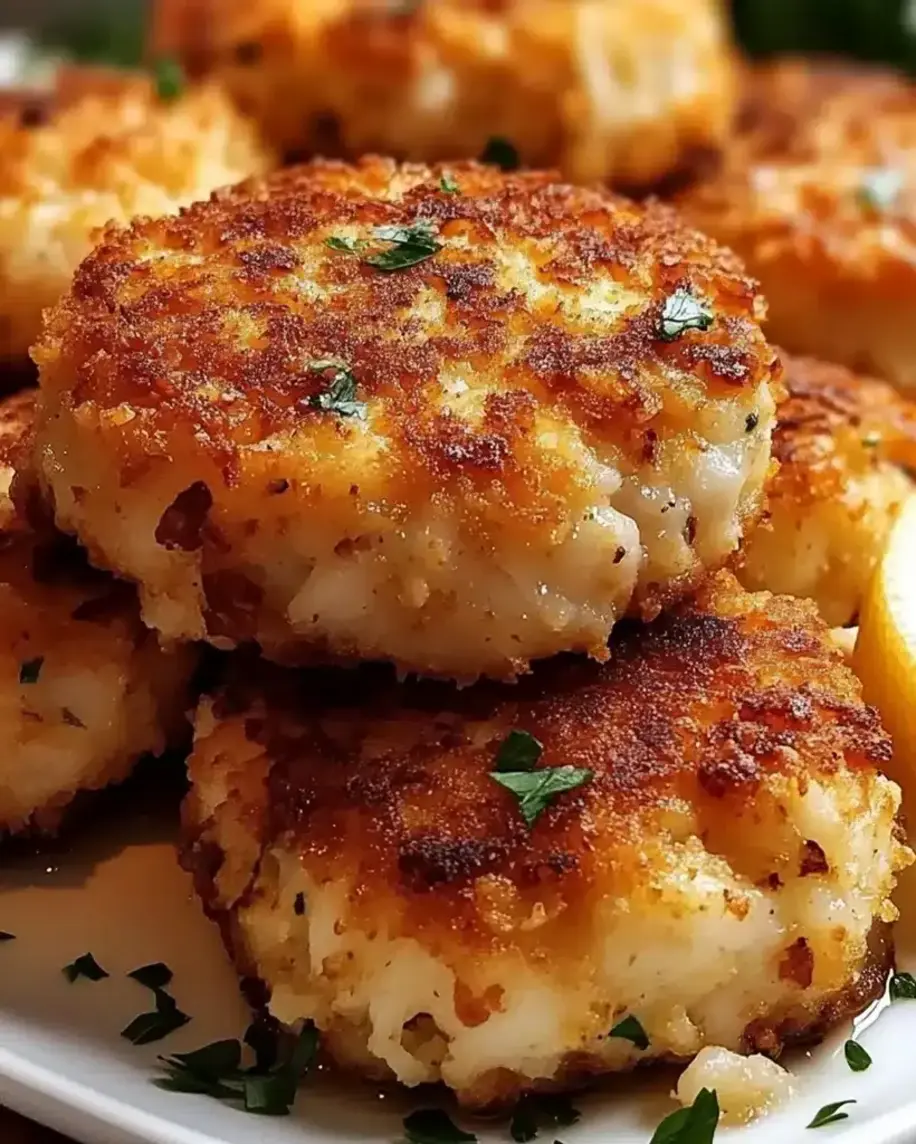
Are you ready to taste the ocean’s bounty in a way that’s both classic and incredibly satisfying? If you’re looking for the best Baltimore crab cakes recipe, you’ve landed in the perfect spot! Many home cooks struggle to achieve that perfect crispy exterior and tender, flavorful interior that defines an authentic Baltimore crab cake. This recipe is designed to guide you, step-by-step, to create crab cakes that are not just delicious, but truly transportive, bringing the fresh, briny taste of the Chesapeake Bay right into your kitchen. Whether you’re a seasoned chef or just starting your culinary journey, prepare to astound yourself and your guests with these easy, crispy, and utterly delicious crab cakes!
Ingredients
The secret to exceptional crab cakes lies in the quality of ingredients and how they come together. We’re aiming for a delicate balance that lets the sweet, succulent crab meat shine. Here’s what you’ll need:
Crab Meat
- 2 pounds Lump Crab Meat: This is your star! Look for fresh, high-quality jumbo lump or lump crab meat. The larger lumps provide a beautiful texture. Substitution: If lump is unavailable, backfin or claw meat can be used, but expect a less distinct texture.
Binder
- 1/2 cup Mayonnaise: Use a good quality, full-fat mayonnaise for the best flavor and binding. Its creamy richness is key. Substitution: For a lighter version, Greek yogurt can be used, but be aware it might slightly alter the flavor profile and richness.
- 1 large Egg, lightly beaten: This acts as a crucial binder, holding everything together without making the cakes heavy.
- 1 tablespoon Dijon Mustard: Adds a subtle tang and depth that complements the crab’s sweetness.
- 1 teaspoon Worcestershire Sauce: Provides a complex umami flavor that enhances the overall taste.
- 1/4 cup Panko Breadcrumbs: Or regular breadcrumbs, used sparingly to help bind and create a beautiful crust. Too many will make them bready.
Seasonings
- 1 teaspoon Old Bay Seasoning: The iconic Maryland crab cake spice blend. It’s essential for that authentic flavor.
- 1/4 teaspoon Salt: Adjust to taste, especially if your crab meat is already salted.
- 1/8 teaspoon Black Pepper: Freshly ground is always best for a little peppery bite.
Aromatics
- 2 tablespoons Fresh Parsley, finely chopped: Adds a fresh, herbaceous note and a pop of color.
- 1 tablespoon Fresh Chives, finely chopped: Offers a mild oniony flavor that complements the parsley.
- 1 teaspoon Lemon Zest: Brightens up all the flavors and cuts through the richness.
Fat
- 2-3 tablespoons Unsalted Butter or Neutral Oil (like canola or vegetable): For pan-frying to a perfect golden crisp.
Timing
Crafting the perfect crab cake is a rewarding process that doesn’t take excessively long. Here’s a breakdown:
Compared to average recipes that might involve longer marinating times or more complex steps, this Baltimore crab cakes recipe is streamlined for ease and speed, ensuring you can enjoy delicious crab cakes without an all-day commitment.
Step-by-Step Instructions
Let’s get cooking! Follow these simple steps for Baltimore crab cakes that are truly special.
Step 1: Prepare the Crab Meat
Gently pick through your lump crab meat to remove any stray shell fragments or cartilage. Be very careful not to break up the beautiful large lumps of crab. Place the picked crab meat into a medium bowl. If by chance you find a tiny piece of shell, discard it immediately!
Step 2: Mix the Binder and Seasonings
In a separate, smaller bowl, whisk together the mayonnaise, beaten egg, Dijon mustard, Worcestershire sauce, Old Bay seasoning, salt, and pepper until smooth and well combined. Stir in the finely chopped parsley, chives, and lemon zest. This mixture is where all the flavor magic happens!
Step 3: Gently Combine
Pour the mayonnaise mixture over the crab meat. Add the panko breadcrumbs. Now, using a rubber spatula or your hands (which is often the best way to feel what you’re doing), gently fold everything together. The key here is *gentle*. You want to coat the crab meat without mashing it into a paste. Mix just until everything is incorporated; overmixing can lead to tough crab cakes.
Step 4: Form the Cakes
Divide the crab mixture into 6 equal portions. Gently shape each portion into a patty, about 1-inch thick. Don’t pack them too tightly, as this can also make them dense. Aim for a loosely formed cake that still holds its shape.
Step 5: Chill the Cakes
Place the formed crab cakes on a parchment-lined baking sheet. Cover them loosely with plastic wrap and refrigerate for at least 30 minutes. Chilling helps the cakes firm up, making them easier to cook and less likely to fall apart. This step is crucial for that perfectly formed crab cake!
Step 6: Cook the Crab Cakes
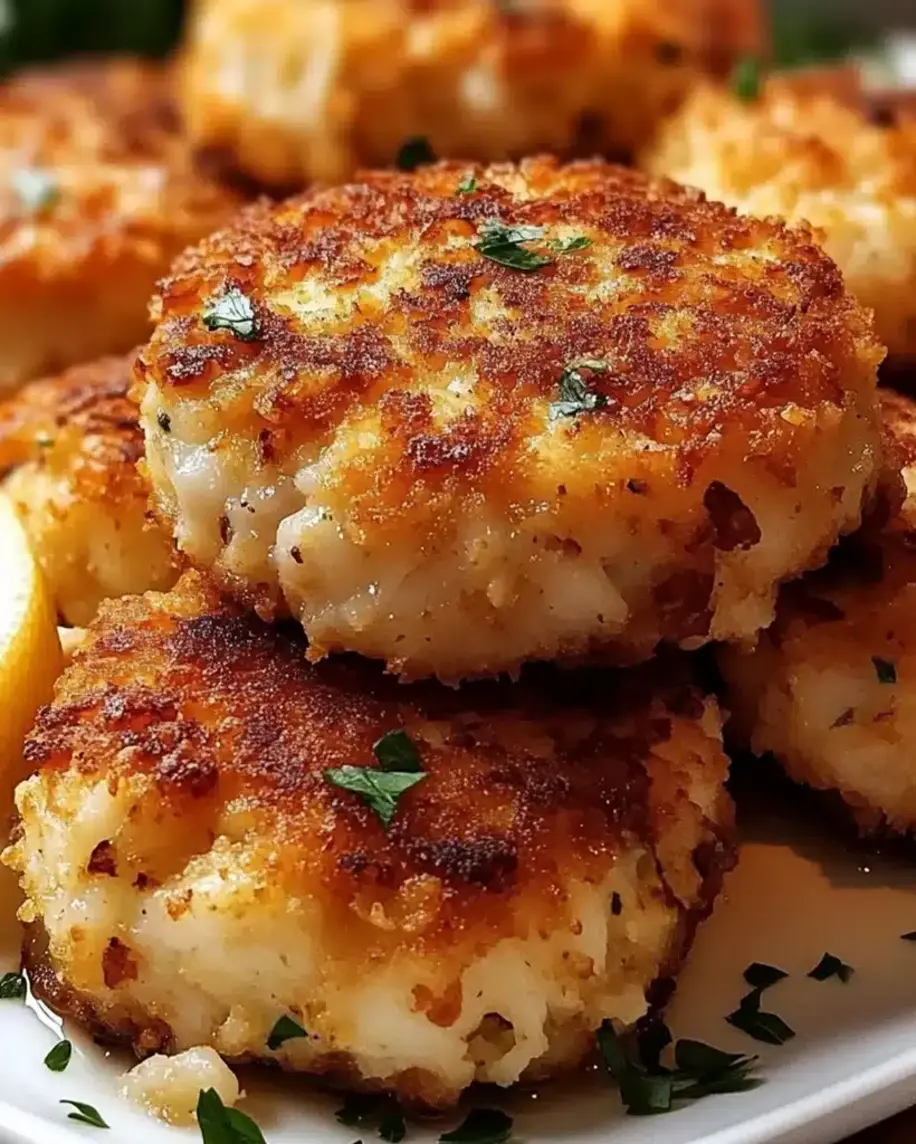
Heat the butter and/or oil in a large non-stick skillet over medium-high heat until shimmering. Carefully place the chilled crab cakes into the hot skillet, being careful not to overcrowd it (cook in batches if necessary). Cook for about 4-5 minutes per side, until deeply golden brown and heated through. The exterior should be wonderfully crispy, and the interior will be moist and flaky.
Nutritional Information
While the exact nutritional content can vary based on ingredient brands and portion sizes, a typical serving of one Baltimore crab cake (made with the recipe above, before adding external sauces) is approximately:
- Calories: 250-300 kcal
- Protein: 20-25g
- Fat: 15-20g
- Carbohydrates: 5-8g
- Sodium: Varies by Old Bay and added salt
Note: This is an estimated range. For precise nutritional information, it’s recommended to use a nutrition calculator with your specific ingredients.
Healthier Alternatives
Want to make these crab cakes even lighter without sacrificing flavor? Here are a few smart swaps:
- Lighter Binder: Replace half the mayonnaise with plain Greek yogurt. It adds creaminess and protein while cutting down on fat.
- Reduced Breadcrumbs: Use a smaller amount of whole wheat panko or even crushed unsalted crackers if you want to reduce refined carbs.
- Cooking Method: Instead of pan-frying, try baking or air-frying the crab cakes. Lightly brush them with olive oil spray before cooking. This significantly reduces the added fat.
- Fresh Herbs: Increase the amount of fresh herbs like parsley and chives, as they add flavor without calories.
Serving Suggestions
These Baltimore crab cakes are incredibly versatile. They’re fantastic on their own, but here are some ideas to elevate your meal:
- Classic Pairing: Serve with a side of coleslaw and fries for a true Maryland experience.
- With Sauce: A dollop of remoulade, tartar sauce, or a squeeze of fresh lemon juice is always a winner.
- As a Main Course: Serve alongside a fresh green salad or steamed vegetables for a lighter, yet satisfying, dinner.
- Sandwich Style: Place a crab cake on a toasted brioche bun with lettuce, tomato, and a smear of aioli for a gourmet crab cake sandwich.
Common Mistakes to Avoid
Even with a great recipe, a few common pitfalls can lead to less-than-perfect crab cakes. Watch out for these:
- Overmixing the Crab: This is the cardinal sin! Treat the crab meat delicately to preserve its texture.
- Too Many Fillers: Using too much breadcrumb or other binders will result in a “crab croquette” rather than a true crab cake.
- Not Chilling: Skipping the chilling step makes the cakes fragile and harder to manage during cooking.
- Overcrowding the Pan: This lowers the skillet temperature, leading to greasy, pale crab cakes instead of crispy, golden ones.
Storing Tips
Leftover crab cakes can be stored and reheated, but they are best enjoyed fresh.
To Store: Once cooled completely, store cooked crab cakes in an airtight container in the refrigerator for up to 2-3 days. You can also freeze uncooked, formed crab cakes. Wrap them individually in plastic wrap, then place them in a freezer-safe bag. They can be kept frozen for up to 1 month.
To Reheat: For cooked cakes, reheat gently in a skillet over low heat with a little butter or oil, or bake at 350°F (175°C) for about 5-10 minutes until warmed through. For frozen uncooked cakes, it’s best to thaw them in the refrigerator overnight before cooking as per the recipe, or cook them from frozen in a slightly lower temperature oven (around 325°F/160°C) for a longer period until cooked through.

Conclusion
There you have it – a foolproof Baltimore crab cakes recipe that’s easy to follow, packed with flavor, and guaranteed to impress. These cakes are a celebration of fresh crab, perfectly balanced with classic Maryland seasonings. Making them at home allows you to control the quality of ingredients and ensures that sweet crab meat is the star. So, gather your ingredients, follow these simple steps, and get ready to experience a taste of the Chesapeake right from your own kitchen. Happy cooking!
FAQs
***Are these crab cakes spicy?***
The level of spice comes primarily from the Old Bay seasoning, which offers a complex flavor profile with a mild warmth rather than intense heat. You can adjust the amount of Old Bay to suit your preference.
***Can I use canned crab meat?***
While fresh lump crab meat is highly recommended for the best texture and flavor, you can use good quality canned crab meat in a pinch. Be sure to drain and rinse it very well, and pick through it carefully. The texture will be less distinct than with lump crab.
***How do I get them extra crispy?***
Ensure your skillet is hot *before* adding the crab cakes, and don’t overcrowd the pan. Using a combination of butter and oil can also help achieve a better crisp. For an even crispier exterior, a light coating of panko breadcrumbs on the outside of the formed cakes before frying can also work wonders, though stick to minimal breadcrumbs in the mix itself for that authentic crab-forward taste.
***Can I make the crab cake mixture ahead of time?***
Yes, you can prepare the crab cake mixture and refrigerate it for up to 24 hours before forming and cooking. However, it’s best to form the cakes just before chilling and cooking to maintain their structure.
***What is the best way to serve crab cakes?***
Crab cakes are traditionally served with a squeeze of lemon and a side of tartar sauce or remoulade. They also pair wonderfully with coleslaw, French fries, or a fresh green salad.
Baltimore Crab Cakes Recipe – Easy, Crispy & Delicious
Welcome to thisdelicious Baltimore Crab Cakes recipe! If you’ve ever dreamed of capturing the taste of theChesapeake Bayin your kitchen, this recipe will transport you there. Whether you’re new to making crab cakes or an experienced cook looking for a classic recipe with a fresh twist, you’re in the right place. Let’s dive into making these flavorful, golden crab cakes that are perfect for any occasion!
Ingredients
- Feel free to make substitutions as needed. For example, if you’re gluten-free, you can swap the bread crumbs for a gluten-free version or almond flour. For those with dairy restrictions, use olive oil instead of butter for frying.
Instructions
- In a large bowl, gently combine the crab meat, mayonnaise, beaten egg, Dijon mustard, Worcestershire sauce, Old Bay seasoning, fresh parsley, bread crumbs, and lemon juice. Season with salt and pepper to taste.
- Shape the mixture into 8-10 crab cakes, pressing gently to hold them together.
- Heat the butter in a large skillet over medium heat until melted and hot.
- Add the crab cakes to the skillet and cook for 3-4 minutes on each side, or until golden brown and crispy.
- Remove the crab cakes from the skillet and drain them on paper towels.
- Garnish with fresh parsley and serve with lemon wedges.
Notes
Use Fresh Crab:For the best flavor, always opt for fresh lump crab meat. Avoid canned crab, as it can alter the taste and texture.
Chill Before Cooking:Once formed, refrigerate the crab cakes for 30 minutes before cooking. This helps them firm up, so they’re less likely to fall apart in the pan.
Pan or Oven?While this recipe calls for frying, you can also bake the crab cakes at 400°F for about 15-20 minutes if you prefer a healthier option.
“`