Caprese Turkey Meatball Pasta Skillet Recipe
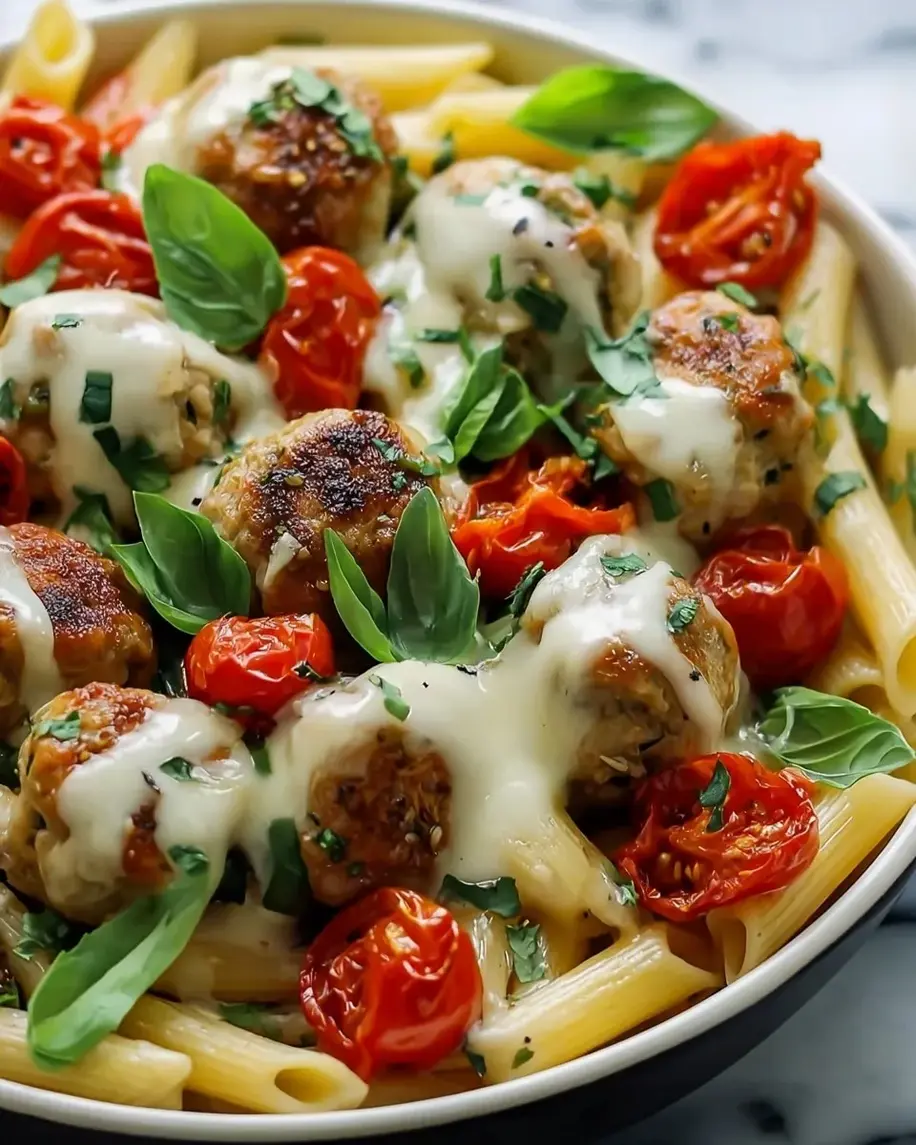
Table of Contents
Caprese Turkey Meatball Pasta Skillet Recipe
Introduction
Did you know that the average American consumes over 20 pounds of pasta annually? With that in mind, are you searching for a Caprese Turkey Meatball Pasta Skillet recipe that’s not only delicious but also a healthier, weeknight-friendly twist on a classic? You’ve found it. This one-pan wonder marries the beloved flavors of a Caprese salad—juicy cherry tomatoes, fresh basil, and creamy mozzarella—with the hearty satisfaction of tender turkey meatballs and al dente penne. The secret weapon? A final drizzle of rich, tangy balsamic glaze that ties everything together in a perfect balance of savory, sweet, and fresh. It’s a complete meal that’s as beautiful to look at as it is to eat, ready in well under an hour and guaranteed to become a new family favorite.
Ingredients List
Gather these fresh, flavorful ingredients. For best results, use high-quality, fresh herbs and cheese.
- For the Turkey Meatballs:
- 1 lb ground turkey (93% lean): Lean yet moist, providing a lighter base than beef. Substitution: Ground chicken or a plant-based ground meat alternative.
- 1/2 cup Panko breadcrumbs: Creates a tender, light texture. Substitution: Gluten-free breadcrumbs or rolled oats.
- 1/4 cup grated Parmesan cheese: Adds a salty, umami depth. Substitution: Pecorino Romano or nutritional yeast for a dairy-free option.
- 1 large egg: Binds the meatballs together.
- 2 cloves garlic, minced: For aromatic warmth.
- 1/4 cup fresh basil, finely chopped: The essence of Caprese flavor—use fresh for its bright, peppery notes.
- 1 tsp dried oregano: Earthy, Mediterranean herb flavor.
- 1/2 tsp salt & 1/4 tsp black pepper: Essential seasoning.
- For the Skillet:
- 8 oz penne pasta: Its ridges and tubes hold the sauce beautifully. Substitution: Rigatoni, fusilli, or whole wheat/legume-based pasta.
- 2 tbsp olive oil: For cooking and building flavor.
- 1 pint cherry tomatoes: Burst with sweet, juicy flavor when cooked. Substitution: Grape tomatoes or diced Roma tomatoes.
- 3 cloves garlic, thinly sliced: Infuses the oil with a fragrant, mellow garlic flavor.
- 1/2 cup chicken or vegetable broth: Creates a light, flavorful sauce base.
- 1 cup mozzarella pearls (ciliegine): Small, creamy balls that melt just enough. Substitution: Fresh mozzarella torn into small pieces.
- 1/4 cup fresh basil leaves, torn: For a fresh, aromatic finish.
- Balsamic glaze, for drizzling: The sweet-tart finish is non-negotiable for that true Caprese experience.
Timing
15 minutes
25 minutes
40 minutes
This Caprese Turkey Meatball Pasta Skillet clocks in at a swift 40 minutes from start to finish. Compared to the average pasta bake or meatball recipe that can take over an hour with separate cooking and baking steps, this one-pan method is a significant time-saver. The key efficiency lies in multitasking: while the pasta boils, you can form the meatballs, and as they brown, you build the sauce in the same skillet. This streamlined approach cuts down on both active cooking time and cleanup, making it a superior choice for busy weeknights.
A vibrant, one-pan meal featuring golden turkey meatballs, blistered tomatoes, and melted mozzarella over penne pasta.
Step-by-Step Instructions
Step 1: Prepare the Meatballs
In a large mixing bowl, gently combine the ground turkey, Panko, grated Parmesan, egg, minced garlic, chopped basil, oregano, salt, and pepper. My pro tip: use your hands for the most even mixing, but don’t overwork the meat, or the meatballs can become tough. Once combined, roll the mixture into about 20-24 tablespoon-sized meatballs. They should be uniform in size for even cooking. Place them on a plate or baking sheet lined with parchment paper.
Step 2: Cook the Pasta
Bring a large pot of salted water to a rolling boil. Add the penne and cook according to package directions until al dente—typically 1-2 minutes less than the suggested time. Remember, the pasta will continue to cook slightly when added to the skillet later. Before draining, reserve about 1/2 cup of the starchy pasta water. This liquid gold will help thicken and bind our sauce beautifully.
Step 3: Brown the Meatballs
While the pasta cooks, heat 1 tablespoon of olive oil in a large, oven-safe skillet (like cast iron or stainless steel) over medium-high heat. Add the meatballs in a single layer, working in batches if necessary to avoid crowding. Cook for 2-3 minutes per side, just until they develop a golden-brown crust. They do not need to be cooked through at this stage. Transfer the browned meatballs to a clean plate.
Step 4: Build the Sauce
In the same skillet, reduce the heat to medium and add the remaining tablespoon of olive oil. Add the cherry tomatoes and sliced garlic. Cook for 4-5 minutes, stirring occasionally, until the tomatoes begin to blister and soften, and the garlic is fragrant. You’ll hear a gentle popping sound—that’s the flavor developing! Pour in the chicken broth, scraping up any delicious browned bits (fond) from the bottom of the pan. Let it simmer for 2 minutes.
Step 5: Combine and Finish
Add the drained al dente pasta and the browned meatballs back into the skillet with the tomatoes and broth. Gently toss everything to combine. If the mixture looks dry, add a splash of the reserved pasta water until you have a light, glossy sauce clinging to the pasta. Remove the skillet from the heat. Scatter the mozzarella pearls and torn fresh basil leaves evenly over the top. For extra melty cheese, you can place the skillet under a preheated broiler for 1-2 minutes, watching closely. Just before serving, generously drizzle the entire skillet with balsamic glaze.
Nutritional Information
The following estimates are per serving (assuming this recipe yields 4 generous servings). Values are approximate and can vary based on specific ingredients and brands used.
- Calories: ~520 kcal
- Protein: ~38g
- Carbohydrates: ~52g
- Dietary Fiber: ~4g
- Sugars: ~8g (primarily from tomatoes and balsamic glaze)
- Fat: ~20g
- Saturated Fat: ~6g
- Sodium: ~680mg
Healthier Alternatives
This recipe is already a lighter take, but here are swaps to tailor it to specific dietary goals without sacrificing flavor:
- Boost Fiber & Protein: Use a high-protein, high-fiber pasta made from lentils, chickpeas, or edamame. It cooks similarly and adds a significant nutrient punch.
- Reduce Sodium: Use low-sodium broth and reduce added salt in the meatball mixture by half. The Parmesan and balsamic glaze provide plenty of savory depth.
- Lower Fat: Opt for 99% lean ground turkey and use a light spray of olive oil for browning. Swap mozzarella pearls for part-skim varieties.
- Dairy-Free/Vegan: Use a plant-based ground “meat,” a flax egg (1 tbsp ground flax + 3 tbsp water), nutritional yeast instead of Parmesan, and vegan mozzarella. Ensure the balsamic glaze is vegan-friendly.
Serving Suggestions
This skillet is a complete meal on its own, but these pairings can elevate your dinner table:
- With Bread: Serve with a side of warm, crusty garlic bread or focaccia to soak up every last drop of the flavorful sauce.
- With a Salad: A simple arugula salad with a lemon vinaigrette provides a crisp, peppery contrast to the rich, savory skillet.
- Wine Pairing: A medium-bodied red like a Chianti or Sangiovese complements the tomatoes and meatballs beautifully, or opt for a crisp Pinot Grigio if you prefer white.
Common Mistakes
- Overcooking the Pasta: Cooking the pasta to full softness in the water will result in mushy pasta in the final dish. Always cook to al dente.
- Overcrowding the Skillet: Browning meatballs in a crowded pan steams them instead of searing them, preventing that crucial golden crust. Cook in batches.
- Skipping the Pasta Water: The starchy reserved water is essential for creating a silky, cohesive sauce that clings to the pasta. Don’t forget it!
- Using Dried Basil in the Finish: Fresh basil added at the end is non-negotiable for the Caprese flavor profile. Dried basil will not provide the same bright, aromatic quality.
Storing Tips
- Refrigeration: Allow the skillet to cool completely, then store in an airtight container in the refrigerator for up to 3-4 days.
- Freezing: Freeze portions in freezer-safe containers for up to 2 months. Note that the texture of the mozzarella may change slightly upon thawing. The pasta may also become softer.
- Reheating: Reheat gently in a skillet over medium-low heat with a splash of broth or water to loosen the sauce. Microwave reheating is possible