Cheesy Vegetarian Spaghetti Squash Casserole Recipe
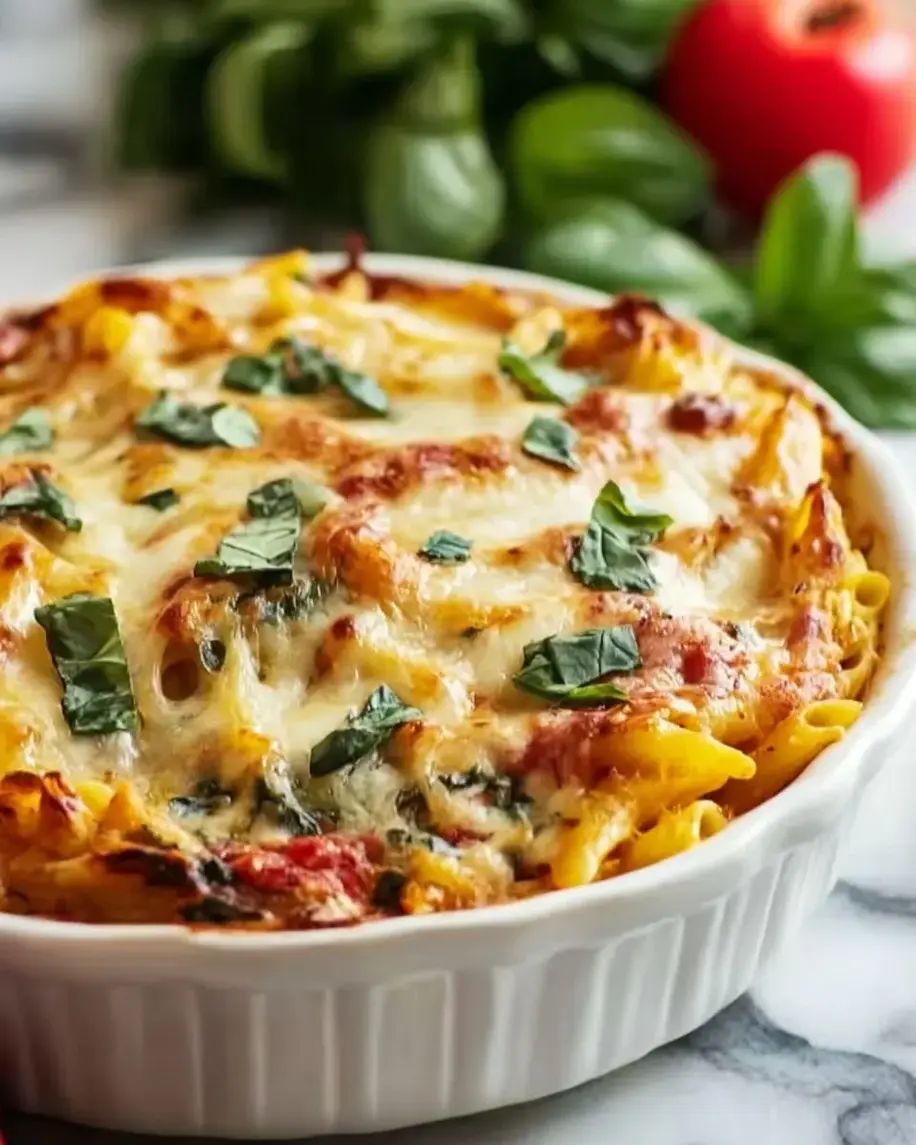
Table of Contents
Cheesy Vegetarian Spaghetti Squash Casserole Recipe
Introduction
Did you know that over 40% of people are actively trying to incorporate more plant-based meals into their weekly routine? If you’re part of this growing movement and crave the cozy satisfaction of a baked pasta dish, this Cheesy Vegetarian Spaghetti Squash Casserole is your new culinary best friend. This recipe masterfully transforms humble spaghetti squash into a stunning, layered masterpiece that rivals any traditional lasagna or baked ziti. The magic lies in the contrast of tender, slightly sweet squash strands with a rich, herbed ricotta and spinach filling, all blanketed under a golden, bubbling layer of mozzarella. It’s the ultimate healthy comfort food that doesn’t feel like a compromise. Whether you’re a dedicated vegetarian, following a low-carb lifestyle, or simply looking for a delicious way to eat more vegetables, this casserole delivers on flavor, texture, and satisfaction in every single forkful.
Ingredients List
Gather these fresh, simple ingredients to create your casserole. I’ve included notes on substitutions to make this recipe work for you.
- 1 large spaghetti squash (about 3-4 lbs): The star of the show. Look for a firm squash with a uniform pale yellow color and no soft spots. When roasted, its flesh transforms into perfect, noodle-like strands with a mild, slightly nutty flavor.
- 2 tablespoons olive oil, divided: For roasting and sautéing. Extra virgin olive oil adds a fruity depth.
- 1 medium yellow onion, diced: Provides a sweet, savory base. A red onion can be used for a sharper taste.
- 3 cloves garlic, minced: Non-negotiable for aromatic punch. Use 1 teaspoon of garlic powder in a pinch.
- 5 oz fresh baby spinach: Adds vibrant color, iron, and a pop of earthiness. Frozen chopped spinach, thoroughly drained and squeezed dry, works perfectly.
- 15 oz whole milk ricotta cheese: Creates the creamy, luscious filling. For a lighter option, use part-skim ricotta. For a dairy-free version, blended firm tofu or cashew cream can be substituted.
- 1 large egg: Acts as a binder for the ricotta mixture, ensuring it sets beautifully. For a vegan binder, mix 1 tablespoon of ground flaxseed with 3 tablespoons of water and let it sit for 5 minutes.
- 1 cup shredded mozzarella cheese, divided: Half goes inside for extra gooeyness, half on top for that iconic golden crust. A blend of mozzarella and provolone is fantastic. Vegan mozzarella shreds also melt well.
- 1/2 cup grated Parmesan cheese: Adds a salty, umami kick. Nutritional yeast or a vegan Parmesan alternative can be used.
- 1 teaspoon dried oregano: For that classic Italian herb flavor.
- 1/2 teaspoon dried basil: Complements the oregano beautifully. Fresh basil, added at the end of sautéing, is even better.
- 1/2 teaspoon red pepper flakes (optional): A pinch adds a lovely, subtle warmth.
- Salt and black pepper to taste: Season every layer for maximum flavor.
Timing
While the total time is around 95 minutes, a significant portion is hands-off roasting and baking time. Compared to many casseroles that require pre-cooking pasta or multiple sauces, this recipe is streamlined. The active prep time is under 30 minutes, making it more efficient than the average from-scratch baked pasta dish, which often clocks in at over 45 minutes of active work.
A golden, bubbly, and utterly irresistible Cheesy Vegetarian Spaghetti Squash Casserole fresh from the oven.
Step-by-Step Instructions
Step 1: Roast the Squash
Preheat your oven to 400°F (200°C). This high heat is key for caramelizing the squash and drawing out its natural sweetness. Carefully slice the spaghetti squash in half lengthwise—this is the trickiest part! I find using a large, sharp chef’s knife and a steady hand works best. Scoop out the seeds and stringy pulp from the center with a spoon. Drizzle the cut sides with about 1 tablespoon of olive oil and season generously with salt and pepper. Place the halves cut-side down on a parchment-lined baking sheet. Roast for 40-50 minutes, until the flesh is very tender when pierced with a fork. Let it cool for 10-15 minutes until you can handle it. Then, take a fork and scrape the flesh from the skin. You’ll be amazed as it separates into long, perfect “spaghetti” strands. Transfer the strands to a colander or clean kitchen towel to drain any excess moisture—this prevents a soggy casserole.
Step 2: Sauté the Aromatics
While the squash cools, heat the remaining tablespoon of olive oil in a large skillet over medium heat. Add the diced onion and cook for 5-6 minutes, stirring occasionally, until it becomes soft and translucent. Now, add the minced garlic and cook for just 60 seconds until fragrant—be careful not to let it burn, as burnt garlic turns bitter. Next, add the entire bag of fresh baby spinach. It will look like a mountain, but it wilts down dramatically. Stir constantly for 2-3 minutes until the spinach is fully wilted and bright green. Remove the skillet from the heat and let this mixture cool slightly.
Step 3: Prepare the Creamy Filling
In a large mixing bowl, combine the ricotta cheese, egg, 1/2 cup of the shredded mozzarella, the grated Parmesan, dried oregano, dried basil, and red pepper flakes (if using). Season with a good pinch of salt and black pepper. Use a fork to mix everything until it’s well combined and creamy. Now, add the slightly cooled spinach and onion mixture from the skillet. Fold it gently into the ricotta mixture until evenly distributed. Taste and adjust the seasoning—this is your chance to make it perfect.
Step 4: Assemble the Casserole
Reduce your oven temperature to 375°F (190°C). Lightly grease a 9×13 inch baking dish with olive oil or cooking spray. Spread half of the drained spaghetti squash strands evenly across the bottom of the dish. This is your first “noodle” layer. Spoon the entire ricotta-spinach mixture over the squash and use a spatula to spread it into a smooth, even layer. Top with the remaining spaghetti squash strands, spreading them gently to cover the filling. Finally, sprinkle the remaining 1/2 cup of shredded mozzarella cheese evenly over the top. For an extra flavor boost, you can add a little more Parmesan here too.
Step 5: Bake to Perfection
Place the assembled casserole in the preheated oven and bake for 25-30 minutes. You’re looking for the cheese on top to be completely melted, bubbly, and have those irresistible golden-brown spots. If you want a deeper color on top, you can switch the oven to broil for the final 1-2 minutes, but watch it like a hawk! Once baked, remove the casserole from the oven and let it rest for 10 minutes before serving. This resting time is crucial—it allows the layers to set, making it much easier to slice and serve neat, beautiful portions.
Nutritional Information
The following estimates are for one serving (based on 6 servings per casserole). Values are approximate and may vary based on specific ingredients used.
- Calories: ~320 kcal
- Total Fat: 20g
- Saturated Fat: 9g
- Cholesterol: 75mg
- Sodium: 380mg
- Total Carbohydrates: 18g
- Dietary Fiber: 4g
- Sugars: 7g
- Protein: 19g
Compared to a traditional baked pasta casserole, this version offers significantly fewer carbohydrates and more fiber, thanks to the vegetable base, while still providing a substantial amount of protein and healthy fats to keep you full and satisfied.
Healthier Alternatives
Want to tweak this recipe for specific dietary goals? Here are my favorite smart swaps that don’t sacrifice flavor:
- Boost Protein & Reduce Fat: Swap whole milk ricotta for low-fat cottage cheese blended until smooth. It’s higher in protein and lower in fat, with a similar texture.
- Dairy-Free/Vegan: Use a firm tofu ricotta (blend crumbled firm tofu with nutritional yeast, lemon juice, and salt) and your favorite brand of vegan mozzarella and Parmesan shreds. The egg can be replaced with a flax egg.
- Add More Veggies: Sauté 1 cup of sliced mushrooms or 1 diced bell pepper with the onions. You can also mix in sun-dried tomatoes for a chewy, tangy bite.
- Lower Sodium: Opt for low-sodium cheeses or simply reduce the amount of added salt. The Parmesan and cheeses already contribute saltiness.
- Nut-Free: If using a cashew-based ricotta substitute, sunflower seed cream works wonderfully.
Serving Suggestions
This casserole is a complete meal on its own, but it pairs beautifully with a few simple sides to round out your dinner table:
- For a Light Meal: Serve with a simple arugula salad dressed with lemon vinaigrette. The peppery greens cut through the richness perfectly.
- For a Heartier Spread: Add a side of garlic bread (using whole-grain bread for extra fiber) or lemony white beans sautéed with rosemary.
- For Presentation: Garnish individual plates with fresh basil leaves, a sprinkle of red pepper flakes, or a light drizzle of high-quality olive oil just before serving.
- Perfect for Entertaining: This casserole is a fantastic make-ahead dish for potlucks or family gatherings. Simply prepare it up to the baking step, cover, and refrigerate. Add 5-10 minutes to the baking time when cooking from cold.
Common Mistakes
Avoid these pitfalls to ensure casserole success every single time:
- Not Draining the Squash: Skipping the step of draining the roasted squash strands is the #1 cause of a watery casserole. Take the extra minute to let them drain in a colander or press them gently in