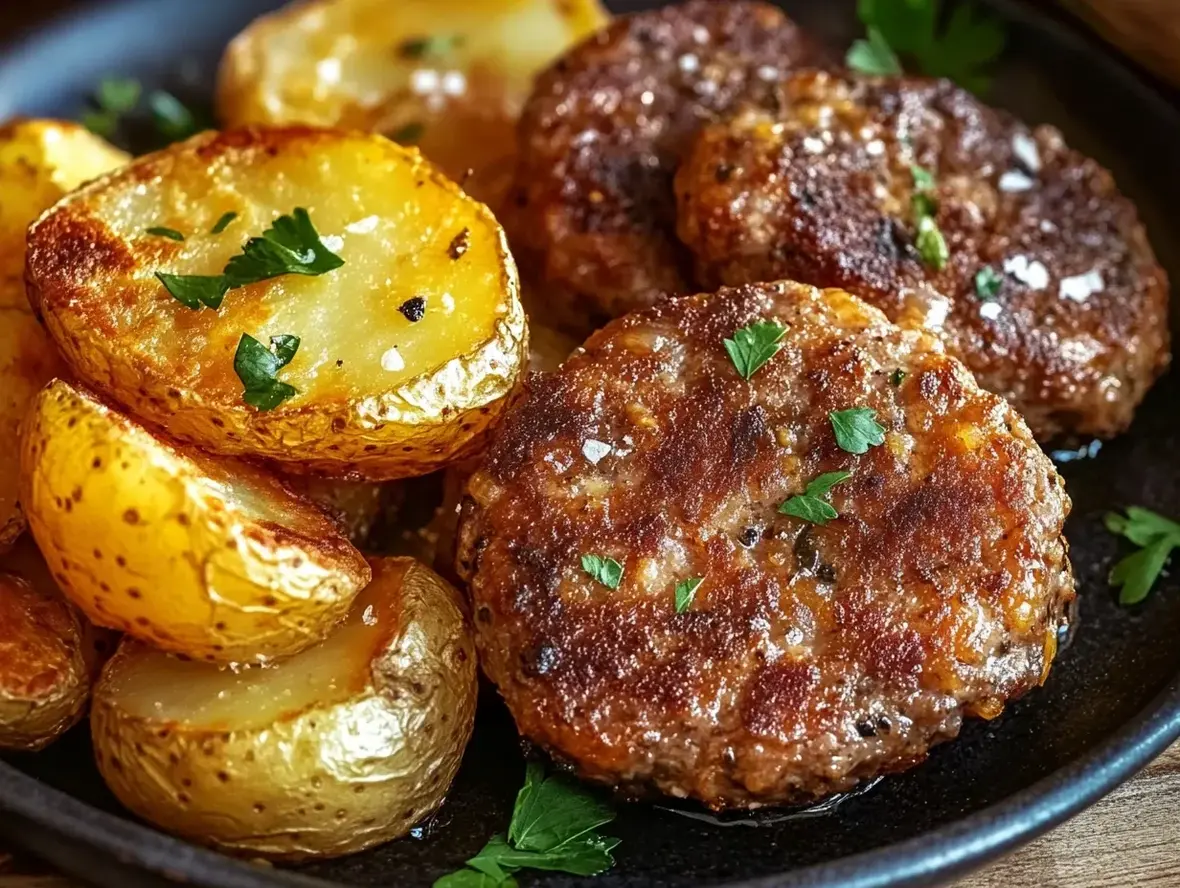
Authentic German Meatballs Recipe – Easy & Delicious
“`html
Table of Contents
- Introduction
- Authentic German Meatballs Ingredients
- Timing is Everything: Prep, Cook, and Total Time
- Step-by-Step: Crafting Your Authentic German Meatballs
- Nutritional Snapshot: What Your Meatballs Offer
- Healthier Alternatives for Lighter Bites
- Serving Suggestions: Elevate Your Meal
- Common Mistakes to Avoid
- Storing Your Delicious Meatballs
- Frequently Asked Questions
Authentic German Meatballs Recipe – Easy & Delicious
Are You Craving That Hearty, Authentic German Flavor?
In a world of fleeting food trends, there’s a comforting power in classic dishes that stand the test of time. German meatballs, or Frikadellen, are a prime example. But how do you achieve that perfect balance of tender texture and savory flavor that truly speaks of German culinary tradition? This authentic German meatballs recipe is your gateway to mastering this beloved dish, offering a simple yet profoundly satisfying experience perfect for any occasion, from humble weeknight dinners to festive gatherings. Forget bland, dry meatballs; we’re diving deep into what makes these German wonders so special.
Authentic German Meatballs Ingredients
The magic of authentic German meatballs lies in the quality and simplicity of its ingredients. We’re aiming for a rich, savory profile with a wonderfully tender interior. Here’s what you’ll need:
-
1 lb Ground Meat (a mix of beef and pork is traditional for best flavor and texture)
Traditionally, a 50/50 blend or even 70/30 pork to beef ratio is used. Pork lends moisture and richness, while beef provides a robust flavor. For a lighter option, you can use all beef, but you might need a touch more binder. -
1/2 cup Stale Bread or Breadcrumbs
This is crucial for texture! The starch in the bread helps bind the meatballs and keeps them incredibly moist. If using fresh bread, dice it and let it sit out for a few hours until dry, or lightly toast it. Panko breadcrumbs can also work in a pinch, but traditional bread is preferred. -
1/4 cup Milk (or water)
To soften the bread/breadcrumbs, essential for a tender crumb. -
1 small Onion, finely minced or grated
Adds a crucial layer of aromatic sweetness and moisture. Grating the onion ensures it disperses evenly without large chunks. -
1 large Egg, lightly beaten
The primary binder that holds all the glorious ingredients together. -
1-2 tbsp Dijon Mustard
A touch of tang to cut through the richness and add depth. -
1 tsp Salt
To enhance all the flavors. Adjust to your preference. -
1/2 tsp Black Pepper, freshly ground
For a gentle warmth and spice. -
Optional additions:
- 1/4 tsp Nutmeg (enhances the savory notes)
- 1 tbsp Fresh Parsley, chopped (for a hint of freshness)
- Pinch of Marjoram or Caraway Seeds (for an authentic German touch)
-
2-3 tbsp Cooking Oil (like vegetable or canola)
For searing the meatballs to a beautiful golden-brown crust.
Timing is Everything: Prep, Cook, and Total Time
Compared to the average meatball recipe that often involves longer simmering times or complex steps, this authentic German meatballs recipe is delightfully efficient. Most recipes focus on a similar prep time, but the quick searing and optional light simmer make this dish impressively fast for a flavorful, homemade meal.
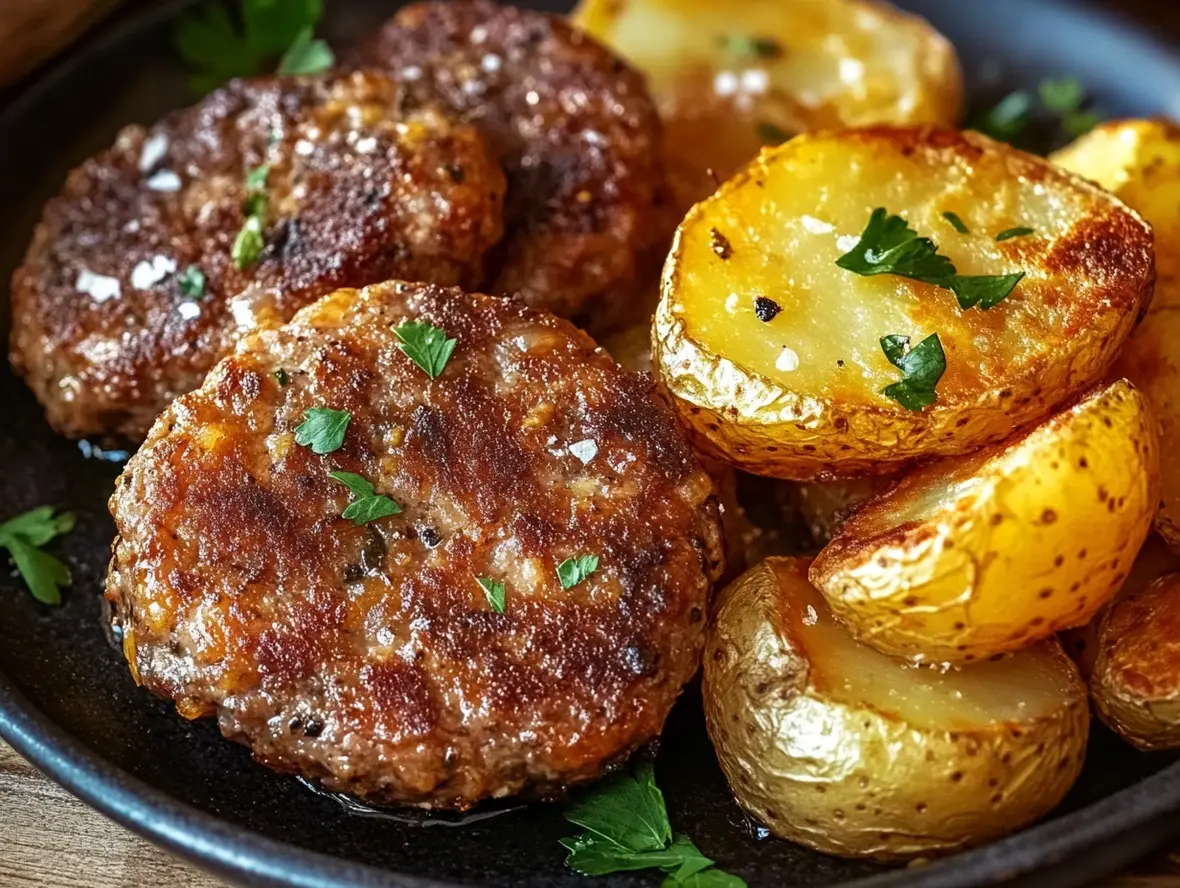
Step-by-Step: Crafting Your Authentic German Meatballs
Step 1: Prepare the Meatball Base
Let’s get started by building the foundation for incredible flavor. In a medium bowl, combine the stale bread or breadcrumbs with the milk. Let it sit for about 5-10 minutes until the bread is softened. This is the key to that melt-in-your-mouth texture. Once softened, squeeze out any excess milk (if using breadcrumbs, this step might not be necessary) and break up any clumps.
Step 2: Form the Meatballs
Now, add the ground meat, minced or grated onion, beaten egg, Dijon mustard, salt, pepper, and any optional spices to the bowl with the softened bread. Using your hands (this is the best way to ensure everything is evenly incorporated without overmixing), gently combine all the ingredients until *just* amalagamated. Be careful not to overwork the mixture, as this can lead to tough meatballs. Form the mixture into uniform balls, about 1.5 to 2 inches in diameter. Aim for consistency so they cook evenly. You should get about 12-16 meatballs, depending on size.
Step 3: Sizzle and Sear to Perfection
Heat the cooking oil in a large skillet or frying pan over medium-high heat. Once the oil is shimmering, carefully place the formed meatballs into the hot pan, ensuring not to overcrowd it. You may need to cook them in batches. Sear the meatballs for about 3-4 minutes per side, until they are beautifully browned and have developed a lovely crust all around. They don’t need to be cooked through at this stage, as they’ll finish cooking in the sauce (if using) or with a brief finish in the oven.
Step 4: Simmer in Sauce (Optional but Recommended!)
For an even more authentic and flavorful experience, consider simmering your seared meatballs in a simple, classic German sauce. A popular choice is a light gravy made with the pan drippings, broth (beef or vegetable), and a thickener like flour or cornstarch. You can also serve them with a tomato-based sauce, or simply enjoy them as is! If simmering, reduce the heat to medium-low, add your sauce to the pan with the seared meatballs, cover, and let them gently simmer for about 10-15 minutes, or until cooked through and heated to the core. This step truly infuses them with extra flavor.
Nutritional Snapshot: What Your Meatballs Offer
While exact nutritional values can vary based on the specific ingredients and portion sizes used, here’s a general idea of what you can expect from a serving of these delicious German meatballs:
- Calories: Approximately 200-250 per meatball (before sauce).
- Protein: High, thanks to the ground meat.
- Fat: Moderate to high, depending on the fat content of the meat. This contributes to moisture and flavor.
- Carbohydrates: Relatively low, primarily from the bread binder.
These are approximate values and can be adjusted by choosing leaner meats or modifying the bread binder.
Healthier Alternatives for Lighter Bites
Looking to lighten things up without sacrificing flavor? Here are a few swaps:
- Leaner Meat: Opt for ground turkey or chicken, or use a leaner cut of beef (like 90/10). You might need to add a touch more moisture with a splash of broth or Worcestershire sauce.
- Whole Wheat Bread: Use whole wheat bread or whole wheat breadcrumbs for added fiber.
- Reduced Fat: If using pork and beef, choose leaner cuts. The fat is important for flavor and moisture, so a small reduction is usually best.
- Baking over Frying: After searing, you can finish cooking the meatballs on a baking sheet in a preheated oven (375°F / 190°C) until cooked through, reducing the amount of added oil.
Serving Suggestions: Elevate Your Meal
Authentic German meatballs are incredibly versatile. Here are some classic pairings:
- Mashed Potatoes: A quintessential pairing, especially when served with a rich gravy.
- Semmelknoedel (Bread Dumplings): The perfect traditional accompaniment, soaking up any delicious sauce.
- Sauerkraut: The tangy acidity of sauerkraut cuts beautifully through the richness of the meatballs.
- Roasted Vegetables: Simple roasted carrots, potatoes, or Brussels sprouts complement the hearty nature of the dish.
- Fresh Salad: A crisp green salad provides a refreshing contrast.
- As a Snack: Don’t underestimate serving them as a delicious appetizer, perhaps with a side of mustard or a light dipping sauce.
Common Mistakes to Avoid
Even a seemingly simple recipe can have pitfalls. Watch out for these common mistakes:
- Overmixing the Meat: This is the fastest way to tough, dense meatballs. Mix until just combined.
- Using All Lean Meat: While healthier, pure lean meat can result in dry, crumbly meatballs. The fat content is crucial for moisture.
- Not Using a Binder: Skipping the bread and egg will lead to meatballs that fall apart.
- Overcrowding the Pan: This causes the meatballs to steam rather than sear, preventing that desirable golden-brown crust. Cook in batches!
- Undercooking: Ensure they are cooked through to a safe internal temperature (160°F / 71°C).
Storing Your Delicious Meatballs
Cooked, cooled German meatballs can be stored in an airtight container in the refrigerator for up to 3-4 days. They also freeze beautifully! For best results, freeze them in a single layer on a baking sheet until solid, then transfer to a freezer-safe bag or container. They can be stored in the freezer for up to 2-3 months. Reheat gently on the stovetop, in the oven, or in the microwave.

Frequently Asked Questions
What is the best type of meat for German meatballs?
A combination of beef and pork is traditional and highly recommended for the best flavor and texture. Pork adds moisture and richness, while beef provides a more robust taste.
Can I make these ahead of time?
Yes! You can prepare the meatball mixture and form the meatballs a day in advance and store them, covered, in the refrigerator. You can also cook them and then reheat them later.
What is the difference between Frikadellen and Klopse?
While both are types of German meatballs, Frikadellen (our recipe) are typically pan-fried and served as a main course or snack, often without a sauce. Klopse, on the other hand, are usually smaller, poached or simmered in a broth, and more commonly served with a distinct sauce (like a caper or lemon sauce).
How do I prevent my meatballs from being dry?
The key is moisture and fat! Use a mix of meats (including pork fat), don’t overmix the ingredients, and ensure your binder (bread and egg) is present. Searing them also helps lock in juices.
Did you try this authentic German meatballs recipe? We’d love to hear about your experience! Share your thoughts in the comments below or tag us on social media with your delicious creations!
Authentic German Frikadellen

Frikadellen, Germany’s beloved meat patties, are juicy, flavorful, and easy to make. Whether served with potato salad, mashed potatoes, or a hearty bread, they’re a satisfying comfort food with rich tradition.
Ingredients
- 1lb (450 g) ground beef (or a mix of ground beef and pork)1small onion, finely chopped1clove garlic, minced1large egg1slice stale white bread (or1/2 cupbreadcrumbs)1/4 cupmilk1 tspmustard (Dijon or yellow)1 tspsalt1/2 tspblack pepper1/2 tsppaprika1/2 tspground marjoram (optional)1 tbspparsley, chopped2 tbspoil or butter (for frying)
- 1small onion, finely chopped1clove garlic, minced1large egg1slice stale white bread (or1/2 cupbreadcrumbs)1/4 cupmilk1 tspmustard (Dijon or yellow)1 tspsalt1/2 tspblack pepper1/2 tsppaprika1/2 tspground marjoram (optional)1 tbspparsley, chopped2 tbspoil or butter (for frying)
- 1clove garlic, minced1large egg1slice stale white bread (or1/2 cupbreadcrumbs)1/4 cupmilk1 tspmustard (Dijon or yellow)1 tspsalt1/2 tspblack pepper1/2 tsppaprika1/2 tspground marjoram (optional)1 tbspparsley, chopped2 tbspoil or butter (for frying)
- 1large egg1slice stale white bread (or1/2 cupbreadcrumbs)1/4 cupmilk1 tspmustard (Dijon or yellow)1 tspsalt1/2 tspblack pepper1/2 tsppaprika1/2 tspground marjoram (optional)1 tbspparsley, chopped2 tbspoil or butter (for frying)
- 1slice stale white bread (or1/2 cupbreadcrumbs)1/4 cupmilk1 tspmustard (Dijon or yellow)1 tspsalt1/2 tspblack pepper1/2 tsppaprika1/2 tspground marjoram (optional)1 tbspparsley, chopped2 tbspoil or butter (for frying)
- 1/4 cupmilk1 tspmustard (Dijon or yellow)1 tspsalt1/2 tspblack pepper1/2 tsppaprika1/2 tspground marjoram (optional)1 tbspparsley, chopped2 tbspoil or butter (for frying)
- 1 tspmustard (Dijon or yellow)1 tspsalt1/2 tspblack pepper1/2 tsppaprika1/2 tspground marjoram (optional)1 tbspparsley, chopped2 tbspoil or butter (for frying)
- 1 tspsalt1/2 tspblack pepper1/2 tsppaprika1/2 tspground marjoram (optional)1 tbspparsley, chopped2 tbspoil or butter (for frying)
- 1/2 tspblack pepper1/2 tsppaprika1/2 tspground marjoram (optional)1 tbspparsley, chopped2 tbspoil or butter (for frying)
- 1/2 tsppaprika1/2 tspground marjoram (optional)1 tbspparsley, chopped2 tbspoil or butter (for frying)
- 1/2 tspground marjoram (optional)1 tbspparsley, chopped2 tbspoil or butter (for frying)
- 1 tbspparsley, chopped2 tbspoil or butter (for frying)
- 2 tbspoil or butter (for frying)
Instructions
- 1️⃣Prepare the Bread Mixture:
- Soak the slice of stale bread in milk for about 5 minutes, then squeeze out the excess milk and crumble the bread into small pieces. Set aside.2️⃣Combine the Ingredients:In a large mixing bowl, add the ground meat, soaked bread, onion, garlic, egg, mustard, salt, pepper, paprika, marjoram (if using), and parsley.Mix until just combined. Avoid overmixing to ensure the patties remain tender.3️⃣Shape the Frikadellen:Divide the meat mixture into 4-6 equal portions.Shape each portion into a flat, oval-shaped patty about 1/2-inch thick.4️⃣Cook the Frikadellen:Heat oil or butter in a large skillet over medium heat.Place the patties in the skillet and fry for 4-5 minutes per side, or until golden brown and fully cooked (internal temperature should reach 160°F/71°C).5️⃣Serve:Serve the Frikadellen warm with sides such as potato salad, mashed potatoes, sauerkraut, or crusty bread.
- 2️⃣Combine the Ingredients:In a large mixing bowl, add the ground meat, soaked bread, onion, garlic, egg, mustard, salt, pepper, paprika, marjoram (if using), and parsley.Mix until just combined. Avoid overmixing to ensure the patties remain tender.3️⃣Shape the Frikadellen:Divide the meat mixture into 4-6 equal portions.Shape each portion into a flat, oval-shaped patty about 1/2-inch thick.4️⃣Cook the Frikadellen:Heat oil or butter in a large skillet over medium heat.Place the patties in the skillet and fry for 4-5 minutes per side, or until golden brown and fully cooked (internal temperature should reach 160°F/71°C).5️⃣Serve:Serve the Frikadellen warm with sides such as potato salad, mashed potatoes, sauerkraut, or crusty bread.
- In a large mixing bowl, add the ground meat, soaked bread, onion, garlic, egg, mustard, salt, pepper, paprika, marjoram (if using), and parsley.
- Mix until just combined. Avoid overmixing to ensure the patties remain tender.3️⃣Shape the Frikadellen:Divide the meat mixture into 4-6 equal portions.Shape each portion into a flat, oval-shaped patty about 1/2-inch thick.4️⃣Cook the Frikadellen:Heat oil or butter in a large skillet over medium heat.Place the patties in the skillet and fry for 4-5 minutes per side, or until golden brown and fully cooked (internal temperature should reach 160°F/71°C).5️⃣Serve:Serve the Frikadellen warm with sides such as potato salad, mashed potatoes, sauerkraut, or crusty bread.
- 3️⃣Shape the Frikadellen:Divide the meat mixture into 4-6 equal portions.Shape each portion into a flat, oval-shaped patty about 1/2-inch thick.4️⃣Cook the Frikadellen:Heat oil or butter in a large skillet over medium heat.Place the patties in the skillet and fry for 4-5 minutes per side, or until golden brown and fully cooked (internal temperature should reach 160°F/71°C).5️⃣Serve:Serve the Frikadellen warm with sides such as potato salad, mashed potatoes, sauerkraut, or crusty bread.
- Divide the meat mixture into 4-6 equal portions.
- Shape each portion into a flat, oval-shaped patty about 1/2-inch thick.4️⃣Cook the Frikadellen:Heat oil or butter in a large skillet over medium heat.Place the patties in the skillet and fry for 4-5 minutes per side, or until golden brown and fully cooked (internal temperature should reach 160°F/71°C).5️⃣Serve:Serve the Frikadellen warm with sides such as potato salad, mashed potatoes, sauerkraut, or crusty bread.
- 4️⃣Cook the Frikadellen:Heat oil or butter in a large skillet over medium heat.Place the patties in the skillet and fry for 4-5 minutes per side, or until golden brown and fully cooked (internal temperature should reach 160°F/71°C).5️⃣Serve:Serve the Frikadellen warm with sides such as potato salad, mashed potatoes, sauerkraut, or crusty bread.
- Heat oil or butter in a large skillet over medium heat.
- Place the patties in the skillet and fry for 4-5 minutes per side, or until golden brown and fully cooked (internal temperature should reach 160°F/71°C).5️⃣Serve:Serve the Frikadellen warm with sides such as potato salad, mashed potatoes, sauerkraut, or crusty bread.
- 5️⃣Serve:Serve the Frikadellen warm with sides such as potato salad, mashed potatoes, sauerkraut, or crusty bread.
- Serve the Frikadellen warm with sides such as potato salad, mashed potatoes, sauerkraut, or crusty bread.
Notes
Bread Substitute:If using breadcrumbs, skip the milk step and add them directly to the meat mixture.Flavor Boost:For an authentic touch, add a pinch of nutmeg to the mixture.Make-Ahead:Shape the patties ahead of time and store them in the fridge for up to 24 hours before cooking.
Flavor Boost:For an authentic touch, add a pinch of nutmeg to the mixture.Make-Ahead:Shape the patties ahead of time and store them in the fridge for up to 24 hours before cooking.
Make-Ahead:Shape the patties ahead of time and store them in the fridge for up to 24 hours before cooking.
“`