Dijon Salmon with Lemon Dijon Sauce Recipe
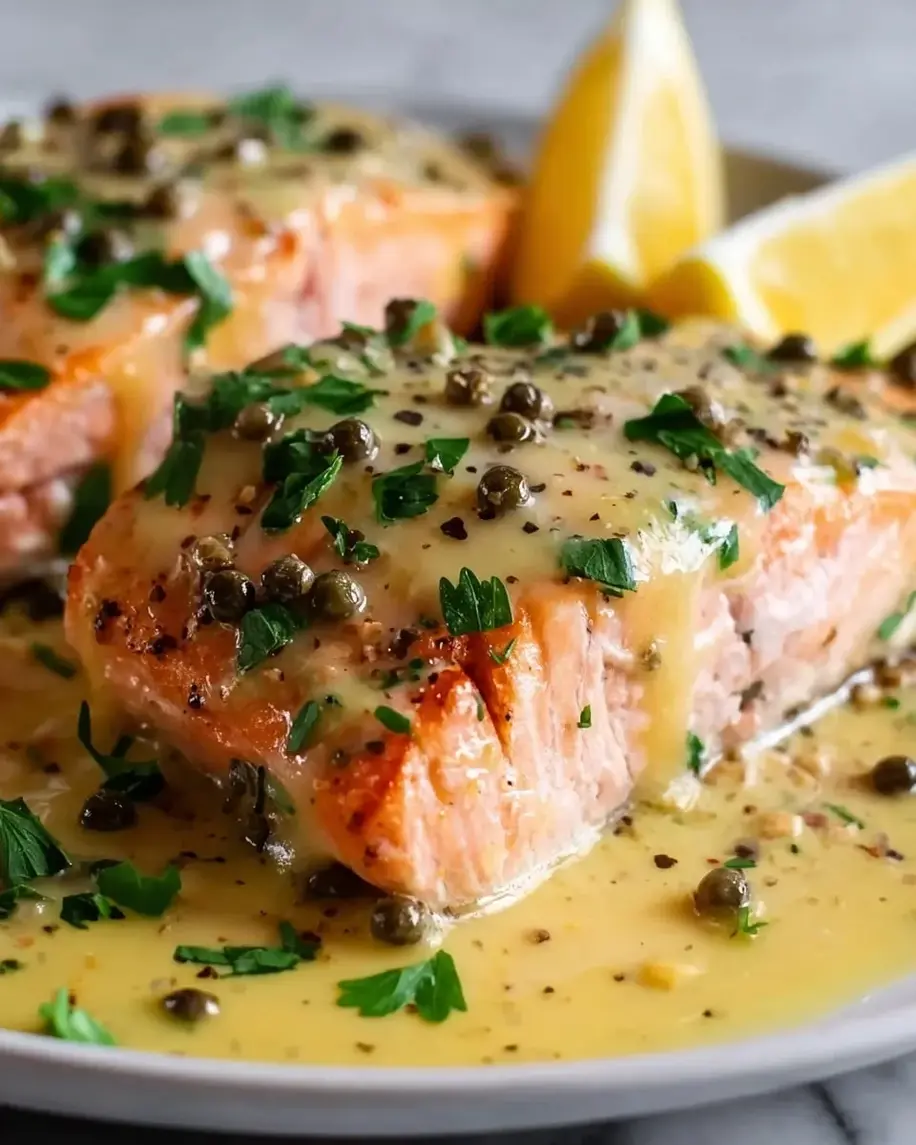
Table of Contents
Dijon Salmon with Lemon Dijon Sauce Recipe
Introduction
Did you know that incorporating fatty fish like salmon into your diet at least twice a week can reduce the risk of heart disease by up to 36%? This Dijon Salmon with Lemon Dijon Sauce recipe is not just a delicious way to meet that goal; it’s a masterclass in balancing bold, tangy flavors with the rich, tender texture of perfectly baked salmon. As a busy home cook, I’m always searching for recipes that deliver restaurant-quality taste without requiring hours in the kitchen. This dish is my ultimate weeknight triumph—a flavorful and healthy main course that feels indulgent yet is deceptively simple to prepare. The magic lies in the dual mustard application: a robust Dijon coating that forms a savory crust on the salmon, and a creamy, bright lemon Dijon sauce that cascades over each flaky bite. It’s a protein-packed meal that transforms basic pantry ingredients into something truly special, proving that eating well doesn’t have to be complicated or time-consuming.
Ingredients List
Gather these simple, high-quality ingredients. The beauty of this recipe is its flexibility—I’ve included key substitutions to ensure you can make it your own.
- For the Salmon:
- 4 (6-ounce) salmon fillets, skin-on or skinless, about 1-inch thick. Look for vibrant, deep orange-pink flesh with firm texture and a fresh, oceanic scent—not fishy.
- 2 tablespoons olive oil (or avocado oil for a higher smoke point).
- Salt and freshly ground black pepper to taste.
- For the Dijon Coating:
- 1/4 cup Dijon mustard (the star ingredient! Use whole grain Dijon for added texture and a more rustic, peppery flavor).
- 2 tablespoons honey or pure maple syrup (for a touch of caramelized sweetness that balances the mustard’s tang).
- 2 cloves garlic, minced (about 2 teaspoons). Freshly minced provides the best aromatic punch.
- 1 teaspoon smoked paprika (adds a subtle, smoky depth; regular paprika works too).
- 1/2 teaspoon dried thyme (or 1 1/2 teaspoons fresh thyme leaves).
- For the Lemon Dijon Sauce:
- 1/3 cup plain Greek yogurt (full-fat for ultimate creaminess, but low-fat works). Substitute with sour cream or crème fraîche for a richer, more decadent sauce.
- 2 tablespoons Dijon mustard.
- Zest and juice of 1 medium lemon (about 2 tablespoons juice). The zest is non-negotiable—it packs a powerful citrus fragrance.
- 1 tablespoon fresh dill, chopped (or 1 teaspoon dried dill). Parsley or chives make lovely herb swaps.
- 1 tablespoon extra virgin olive oil.
- Salt and pepper to taste.
Timing
This Dijon Salmon recipe clocks in at a remarkable 30 minutes from fridge to table. Compared to the average baked salmon recipe, which often requires marinating for an hour or more, our method uses a quick, flavor-packed coating that adheres beautifully during a short bake. The active prep is a breezy 15 minutes—most of which is spent mixing the simple sauces. The cook time of 12-15 minutes is ideal for preserving the salmon’s delicate, moist interior while achieving a slightly caramelized, flavorful crust. It’s significantly faster than pan-searing (which requires babysitting) and more hands-off than grilling, making it the perfect candidate for a stress-free yet impressive dinner.
Golden-baked Dijon salmon fillets, fresh from the oven and ready to be drizzled with the creamy lemon sauce.
Step-by-Step Instructions
Step 1: Prepare the Salmon
First, preheat your oven to 400°F (200°C). This high heat is crucial for getting a nice sear on the coating without overcooking the fish. While the oven heats, pat your salmon fillets completely dry with paper towels. This is my #1 tip for ensuring the mustard mixture sticks and the skin (if present) gets crispy. Place the fillets on a baking sheet lined with parchment paper or a silicone mat. Drizzle lightly with about half a tablespoon of olive oil per fillet and season generously with salt and pepper on all sides. Let them sit at room temperature for 5-10 minutes—this takes the chill off and promotes more even cooking.
Step 2: Make the Dijon Coating
In a small bowl, whisk together the 1/4 cup Dijon mustard, honey, minced garlic, smoked paprika, and dried thyme. The mixture should be thick, glossy, and fragrant. Using a pastry brush or the back of a spoon, generously coat the top and sides of each salmon fillet with the Dijon mixture. Don’t be shy—apply a thick, even layer. This coating will transform into a gorgeous, flavor-sealing glaze in the oven. If you have time, let the coated salmon sit for 5 minutes to allow the flavors to penetrate the surface slightly.
Step 3: Bake to Perfection
Place the baking sheet in the preheated oven on the middle rack. Bake for 12-15 minutes. The exact time depends on the thickness of your fillets. I start checking at the 12-minute mark. The salmon is done when it flakes easily with a fork at its thickest part, the coating is bubbly and lightly browned, and the internal temperature registers 125-130°F (52-54°C) for medium doneness. Remember, carryover cooking will continue as it rests. Avoid overbaking, as salmon dries out quickly. Once out of the oven, let the salmon rest on the pan for 3-5 minutes. This allows the juices to redistribute, ensuring every bite is succulent.
Step 4: Create the Lemon Dijon Sauce
While the salmon bakes and rests, prepare the vibrant sauce that elevates this dish. In a medium bowl, combine the Greek yogurt, 2 tablespoons Dijon mustard, lemon zest, lemon juice, chopped fresh dill, and olive oil. Whisk vigorously until smooth, creamy, and fully emulsified. Season with salt and pepper to taste. I always do a quick taste test here—sometimes I add an extra squeeze of lemon for brightness or a pinch more dill. The sauce should be tangy, creamy, and herbaceous. Cover and refrigerate until ready to serve; the cool sauce provides a lovely contrast to the warm salmon.
Step 5: Serve and Enjoy
Transfer the rested salmon fillets to serving plates. Give the lemon Dijon sauce a final stir, then drizzle it generously over the top of each fillet. You can also serve the sauce on the side in a small bowl for dipping. Garnish with an extra sprinkle of fresh dill, a thin lemon slice, or a crack of black pepper for visual appeal. The moment you cut into the salmon, you’ll see the beautiful, flaky layers and smell the incredible aroma of garlic, mustard, and lemon. Serve immediately while everything is at its peak temperature and texture.
Nutritional Information
(Per serving, based on one 6-oz salmon fillet with 2 tablespoons of sauce.)
- Calories: ~385 kcal
- Protein: 36g (A powerhouse serving, supporting muscle repair and satiety)
- Total Fat: 22g
- Saturated Fat: 4g
- Healthy Unsaturated Fats (Omega-3s): ~15g
- Carbohydrates: 8g
- Dietary Fiber: 1g
- Sugars: 5g (primarily from natural honey)
- Sodium: ~450mg (varies with mustard brand; can be reduced by using low-sodium mustard)
Healthier Alternatives
This recipe is already a nutritional winner, but you can tweak it to meet specific dietary goals without sacrificing flavor.
- Lower Sugar: Replace the honey in the coating with a sugar-free maple syrup alternative or a pinch of erythritol. The mustard and garlic provide plenty of flavor, so you won’t miss much sweetness.
- Dairy-Free Sauce: Swap the Greek yogurt for an equal amount of unsweetened, plain dairy-free yogurt (cashew or coconut-based work well) or a vegan mayonnaise for a similar creamy texture.
- Lower Fat: Use a light brushing of olive oil spray instead of drizzling oil on the salmon. For the sauce, opt for fat-free Greek yogurt. The salmon itself provides healthy fats, so the dish remains satisfying.
- Extra Veggie Boost: Add a layer of flavor and nutrients by baking the salmon on a bed of thinly sliced zucchini, asparagus, or cherry tomatoes tossed in a little oil and seasoning. They’ll cook in the salmon juices, becoming deliciously tender.
Serving Suggestions
This versatile Dijon salmon is the perfect centerpiece for a balanced plate. Here are my favorite pairings:
- For a Light Meal: Serve over a massive bed of mixed greens or arugula lightly dressed with lemon vinaigrette. The warm salmon wilts the greens slightly for a fantastic warm salad.
- With Grains: Fluffy quinoa, farro, or brown rice are excellent for soaking up the extra lemon Dijon sauce. For a low-carb option, try cauliflower rice.
- Classic Sides: Roasted baby potatoes, garlic green beans, steamed broccoli, or a simple grilled asparagus spear complement the robust flavors beautifully.
- For a Dinner Party: Plate each fillet atop a swoosh of creamy polenta or mashed potatoes, drizzle with sauce, and garnish with microgreens and a lemon twist for an elegant presentation.
Common Mistakes
- Not Drying the Salmon: Moisture on the surface creates steam, preventing the Dijon coating from adhering properly and resulting in a soggy crust instead of a glazed one.
-
Similar Posts