General Tso Chicken Recipe
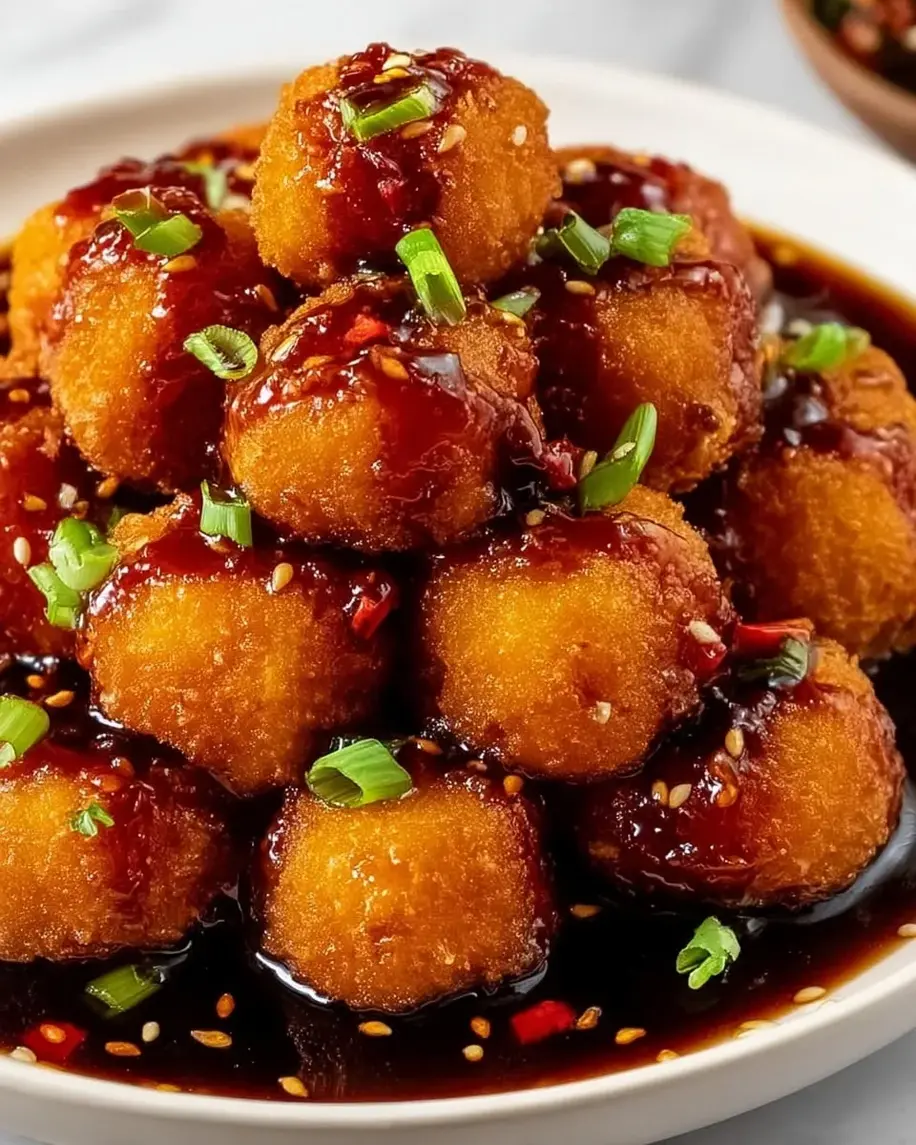
Table of Contents
General Tso Chicken Recipe
Introduction
Did you know that General Tso Chicken is consistently ranked among the top five most ordered Chinese takeout dishes in North America? This beloved classic has transcended its Hunan origins to become a global comfort food icon. But what if you could recreate that perfect balance of crispy, sweet, tangy, and spicy flavors at home, with ingredients you control? This comprehensive General Tso Chicken recipe guides you through every step to achieve restaurant-quality results. We’ll explore not just the how-to, but the why—from the science of a crispy coating to building a sauce with complex depth. Get ready to elevate your weeknight dinner game with a dish that’s sure to become a family favorite.
Ingredients List
For the best flavor and texture, I recommend using the ingredients listed. However, I’ve included practical substitutions to ensure you can make this recipe with what you have on hand.
For the Chicken:
- 1.5 lbs (680g) boneless, skinless chicken thighs or breasts – Thighs are my top pick for their inherent juiciness and rich flavor that stands up to frying. Breasts work for a leaner option but require careful timing to avoid dryness. Cut into 1-inch bite-sized pieces.
- 1/2 cup cornstarch – The secret to an ultra-crispy, glass-like shell. It creates a delicate, shatteringly crisp coating that flour alone cannot achieve.
- 1/4 cup all-purpose flour – Adds structure and helps the coating adhere.
- 2 large eggs, lightly beaten – The glue that binds the dry coating to the chicken, creating a perfect golden crust.
- 1 tsp salt
- 1/2 tsp white pepper – Provides a sharper, more distinct heat than black pepper. Substitution: Black pepper is fine.
- Neutral oil for frying (vegetable, canola, or peanut oil) – You’ll need enough for about 1-2 inches of depth in your pan or pot.
For the General Tso Sauce:
- 1/3 cup low-sodium soy sauce – The savory, umami backbone. Using low-sodium allows you to control the salt level. Substitution: Tamari for gluten-free, or coconut aminos for a soy-free version.
- 1/4 cup rice vinegar – Delivers the essential tangy brightness. Substitution: Apple cider vinegar mixed with a pinch of sugar.
- 3 tbsp hoisin sauce – Adds a complex, sweet, and slightly fermented depth. Substitution: Mix 2 tbsp oyster sauce with 1 tbsp brown sugar.
- 3 tbsp brown sugar – For caramelized sweetness. Substitution: Honey or maple syrup.
- 2 tbsp tomato paste or ketchup – Provides body and a touch of sweetness to the sauce’s color and texture.
- 4-6 dried red chilies – For authentic heat. Adjust the number based on your spice tolerance. For less heat, remove the seeds.
- 4 cloves garlic, minced – Non-negotiable for aromatic punch.
- 1 tbsp fresh ginger, grated – The zesty, warming counterpart to the garlic.
- 1 tsp sesame oil – Added at the end for a fragrant, nutty finish.
- 1 tbsp cornstarch mixed with 2 tbsp water (slurry) – For thickening the sauce to a glossy, clingy consistency.
For Garnish:
- 2 green onions, thinly sliced – For a fresh, crisp finish.
- 1 tsp sesame seeds – For visual appeal and a subtle nutty crunch.
Timing
Proper planning is key to a stress-free cooking experience. This recipe is designed for efficiency, with a total active time that beats the average takeout delivery wait.
Compared to many other fried chicken recipes, our method is streamlined. The marinating time is built into the prep (while you make the sauce and heat the oil), and the double-frying technique, while adding a few minutes, guarantees unparalleled crispiness that lasts even after saucing—a common pitfall in other recipes where the coating turns soggy.
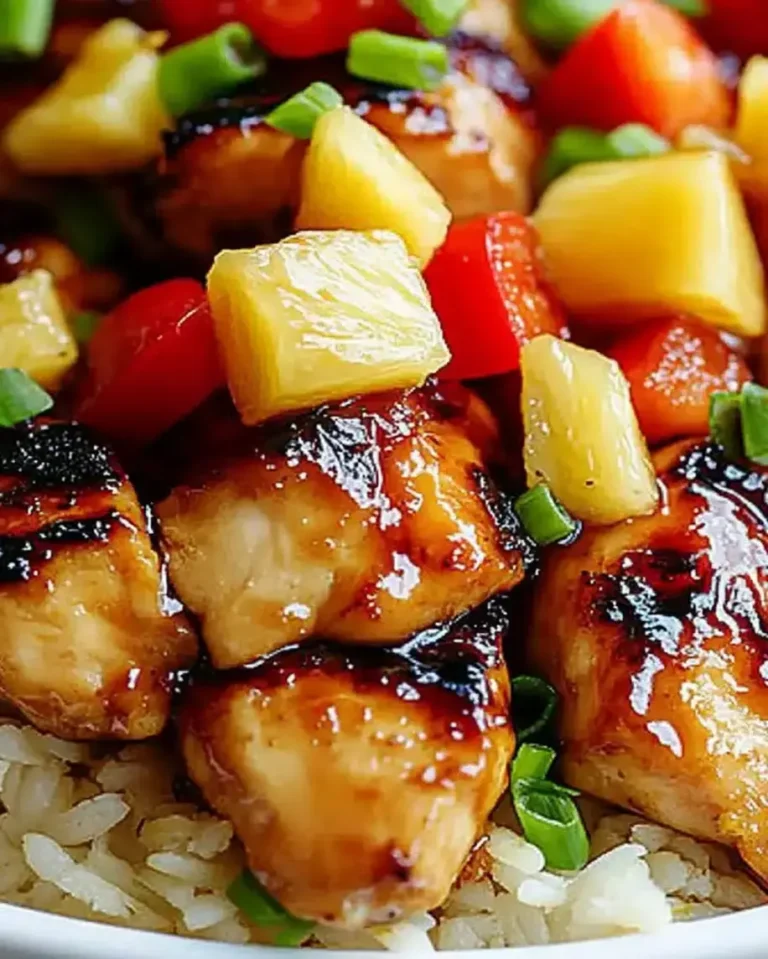
Crispy, golden pieces of General Tso Chicken coated in a glossy, sweet, and tangy sauce, garnished with green onions and sesame seeds.
Step-by-Step Instructions
Follow these detailed steps for foolproof results. I recommend reading through all steps once before you begin.
Step 1: Prepare the Chicken
Pat your chicken pieces completely dry with paper towels. This is the single most important step for achieving a crisp coating, as moisture creates steam that leads to sogginess. In a medium bowl, whisk together the cornstarch, flour, salt, and white pepper. In a separate shallow bowl, lightly beat the eggs. Working in batches, dredge the dry chicken pieces first in the cornstarch mixture, shaking off any excess. Then, dip them into the beaten egg, letting any excess drip off. Finally, return them to the cornstarch mixture for a second coating, pressing gently to ensure an even, clump-free layer. Place the coated pieces on a wire rack set over a baking sheet. This “dry-brine” setup allows the coating to set and adhere better while you prepare the sauce and heat the oil.
Step 2: Create the Sauce
In a medium bowl, whisk together the soy sauce, rice vinegar, hoisin sauce, brown sugar, and tomato paste until the sugar is fully dissolved. Set this sauce base aside. In a small bowl, prepare your cornstarch slurry by mixing 1 tablespoon of cornstarch with 2 tablespoons of cold water. Have this ready by the stove. In a large wok or deep skillet, heat 1 tablespoon of your frying oil over medium heat. Add the dried chilies and toast for about 30 seconds until fragrant—be careful not to burn them. Add the minced garlic and grated ginger, stirring constantly for another 30 seconds until aromatic. Pour in the prepared sauce mixture and bring it to a gentle simmer.
Step 3: Fry the Chicken
While the sauce simmers, heat 1-2 inches of neutral oil in a heavy-bottomed pot, Dutch oven, or deep fryer to 350°F (175°C). Use a thermometer for accuracy; the right temperature is crucial. Working in batches to avoid overcrowding (which drops the oil temp and makes the chicken greasy), carefully add the coated chicken pieces. Fry for 3-4 minutes, turning occasionally, until they are a light golden brown and crispy. Remove with a slotted spoon or spider and drain on a fresh wire rack over a baking sheet—this keeps them crisp. Once all chicken is fried once, increase the oil temperature to 375°F (190°C). Briefly refry the chicken in batches for 45-60 seconds. This double-fry method seals in juiciness and creates an incredibly durable, shatteringly crisp exterior that will resist sogginess when tossed in the sauce.
Step 4: Combine and Serve
Return your attention to the simmering sauce. Give the cornstarch slurry a quick stir (as it settles) and slowly drizzle it into the sauce while whisking constantly. The sauce will thicken into a glossy, syrupy consistency within 1-2 minutes. Remove from heat and stir in the sesame oil. Add the double-fried chicken pieces to the wok with the sauce. Using a spatula or toss the wok gently to coat each piece evenly in the glossy sauce. Be swift and confident—the goal is to coat, not to simmer the chicken in the sauce, which would soften the crust. Transfer to a serving platter and immediately garnish with sliced green onions and a sprinkle of sesame seeds. Serve hot for the ultimate textural experience.
Nutritional Information
The following estimates are for one serving (approximately 1/4 of the recipe), including the sauce and assuming typical oil absorption during frying. Values are approximate and can vary based on specific ingredients and portion sizes.
Healthier Alternatives
You can enjoy the iconic flavors of General Tso Chicken with some smart swaps that reduce calories, fat, and sodium without sacrificing taste.
- Baked, Not Fried: For a significantly lighter version, skip the deep fry. Place the coated chicken pieces on a parchment-lined baking sheet sprayed with oil. Bake at 425°F (220°C) for 15-20 minutes, flipping halfway, until crispy. The texture will be different but still delicious.
- Air Fryer Magic: Spray the coated chicken generously with cooking spray and air fry at 400°F (200°C) for 10-12 minutes, shaking the basket halfway. This method yields a remarkably crispy result with a fraction of the oil.
- Sauce Modifications: Reduce the brown sugar by half or use a zero-calorie sweetener. Use reduced-sodium soy sauce and hoisin. You can also increase the volume of sauce by adding 1/4 cup of low-sodium chicken broth, which dilutes the sodium per serving while maintaining flavor.
- Leaner Protein: Use chicken breast and consider cutting it slightly larger to prevent overcooking. For a plant-based option, use extra-firm tofu, pressed and cubed, following the same coating and baking/air-frying method.
Serving Suggestions
General Tso Chicken is a complete meal centerpiece. Here are my favorite ways to build a balanced and visually stunning plate:
- Classic Pairing: Steamed jasmine or brown rice is the perfect canvas to soak up the extra sauce. For a restaurant touch, mold the rice into a small bowl and invert it onto the plate.
- Vegetable Sides: Balance the richness with simple steamed broccoli, bok choy, or snap peas. For an integrated dish, stir-fry your vegetables (like bell peppers and onions) separately and add them to the wok when you toss the chicken with the sauce.
- Starters & Accompaniments: Begin with a light soup like hot and sour or egg drop soup. Serve with a simple cucumber salad dressed with rice vinegar and a pinch of sugar to cleanse the palate.
- For a Crowd: Set up a DIY bowl bar with the General Tso Chicken, rice, various veggies, and toppings like extra chili flakes, chopped peanuts, and cilantro.
Common Mistakes