German Chocolate Cake Recipe
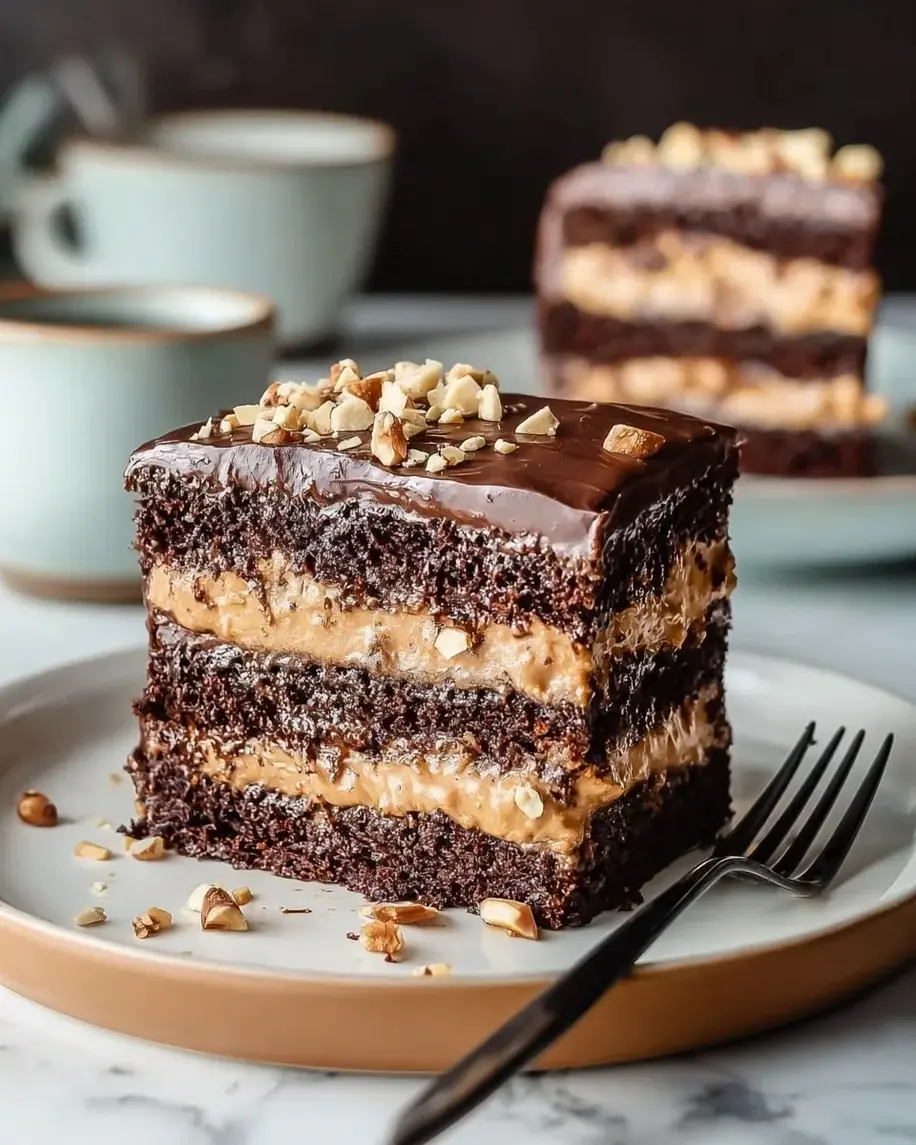
Table of Contents
German Chocolate Cake Recipe
Introduction
Did you know that over 75% of home bakers consider German Chocolate Cake the ultimate test of their dessert-making skills? This iconic cake, with its signature coconut-pecan frosting, is a beloved centerpiece for celebrations. This classic German Chocolate Cake features moist, tender layers infused with melted German chocolate and a rich coconut-pecan frosting. The unique method of folding a light meringue into the chocolate batter creates an exceptionally tender crumb, while the frosting is a decadent custard-style topping that perfectly balances sweet, nutty, and buttery flavors. Perfect for special occasions, this cake is both impressive and indulgent. Let’s dive into the history and technique behind this American classic that’s sure to become your new show-stopping dessert.
Ingredients List
Gather high-quality ingredients for the best flavor and texture. Here’s what you’ll need for the cake and frosting.
For the Chocolate Cake Layers:
- 4 ounces German’s Sweet Chocolate Bar: The star ingredient, providing a distinct, less sweet chocolate flavor with a smooth melt. Substitution: Use a high-quality bittersweet chocolate (around 60% cacao) if German’s chocolate is unavailable.
- 1/2 cup boiling water: Helps bloom the chocolate and cocoa powder for a deeper flavor.
- 1 cup (2 sticks) unsalted butter, room temperature: Creates a rich, tender crumb. It should be soft to the touch but not oily.
- 2 cups granulated sugar: For sweetness and structure.
- 4 large egg yolks, room temperature: Adds richness, moisture, and a golden color to the batter.
- 1 teaspoon pure vanilla extract: Use the real stuff for the best aromatic backdrop.
- 2 1/2 cups sifted cake flour: Sifting is non-negotiable for a light, airy texture. Substitution: For every 1 cup of cake flour, use ¾ cup all-purpose flour + 2 tablespoons cornstarch.
- 1 teaspoon baking soda: The leavening agent that helps the cake rise.
- 1/2 teaspoon salt: Enhances all the other flavors.
- 1 cup buttermilk, room temperature: The acidity tenderizes the gluten and reacts with the baking soda for lift. Substitution: Mix 1 cup milk with 1 tablespoon lemon juice or white vinegar; let sit for 5 minutes.
- 4 large egg whites, room temperature: Will be whipped into a meringue to be folded in, giving the cake its signature lightness.
For the Coconut-Pecan Frosting:
- 1 cup evaporated milk: Provides a rich, creamy base without the water content of regular milk.
- 1 cup granulated sugar: Sweetens the custard-like frosting.
- 3 large egg yolks, lightly beaten: Thickens the frosting into a luxurious, velvety texture.
- 1/2 cup (1 stick) unsalted butter, cubed: Adds a silky, rich mouthfeel.
- 1 teaspoon pure vanilla extract: For flavor depth.
- 1 1/3 cups sweetened shredded coconut: Look for moist, flaky coconut for the best texture.
- 1 cup chopped pecans, toasted: Toasting is crucial! It unlocks a deep, nutty aroma and crunch.
Timing
This is a project cake, but the results are well worth the effort. Compared to the average layer cake recipe, this one requires a bit more time due to the separate components (meringue and stovetop frosting), but each step is simple and builds the incredible flavor.
45 minutes
35 minutes (cake) + 12 minutes (frosting)
Approx. 2 hours (includes cooling & assembly)
This stunning German Chocolate Cake features moist layers and a signature coconut-pecan frosting.
Step-by-Step Instructions
Step 1: Prepare the Chocolate Layers
Preheat your oven to 350°F (175°C). Grease and flour three 9-inch round cake pans, and line the bottoms with parchment paper for foolproof release. In a heatproof bowl, combine the broken-up German chocolate and boiling water. Stir gently until the chocolate is completely melted and the mixture is smooth. Set aside to cool slightly. In the bowl of a stand mixer fitted with the paddle attachment, cream the softened butter and sugar together on medium-high speed for 4-5 minutes, until the mixture is very pale and fluffy. This step incorporates air, which is vital for the cake’s structure. Scrape down the bowl. Add the 4 egg yolks, one at a time, beating well after each addition. Beat in the vanilla extract and the cooled chocolate mixture until fully combined.
In a separate bowl, whisk together the sifted cake flour, baking soda, and salt. With the mixer on low speed, add the flour mixture to the butter mixture in three additions, alternating with the buttermilk in two additions, beginning and ending with the flour. Mix just until combined after each addition; do not overmix. Transfer this batter to a large bowl and wash your mixer bowl thoroughly. Now, using the whisk attachment, beat the 4 egg whites on high speed until stiff, glossy peaks form. This is your meringue. Gently fold about one-third of the meringue into the chocolate batter to lighten it. Then, carefully fold in the remaining meringue until no white streaks remain. The batter will be light and airy. Divide the batter evenly among the three prepared pans. Bake for 30-35 minutes, or until a toothpick inserted into the center comes out clean. Let the cakes cool in the pans for 10 minutes, then turn them out onto wire racks to cool completely.
Step 2: Make the Coconut-Pecan Frosting
While the cakes cool, make the frosting. This is a stovetop custard process. In a medium saucepan, whisk together the evaporated milk, sugar, egg yolks, and cubed butter. Cook over medium heat, stirring constantly with a wooden spoon or heatproof spatula, until the mixture thickens, bubbles at the edges, and reaches about 185°F (85°C). This should take about 10-12 minutes. The frosting is ready when it coats the back of the spoon and you can draw a clear line through it with your finger. Remove from heat and stir in the vanilla extract, shredded coconut, and toasted pecans. Transfer the frosting to a bowl and let it cool to room temperature, stirring occasionally. It will continue to thicken as it cools.
Step 3: Assemble and Frost the Cake
Once the cake layers are completely cool and the frosting has thickened, it’s time to assemble. Place one cake layer on your serving plate or cake stand. Spread a generous, even layer of the coconut-pecan frosting over the top, going all the way to the edges. Carefully place the second cake layer on top and repeat. Top with the third cake layer. Now, frost only the top of the cake with the remaining frosting. Do not frost the sides—this is the traditional presentation for German Chocolate Cake, showcasing the beautiful, tender layers. For a clean look, you can use an offset spatula to create gentle swirls on the top. Let the cake set for at least an hour before slicing to allow the flavors to meld.
Nutritional Information
The following is an approximate nutritional breakdown per serving (based on 12 servings).
- Calories: 680 kcal
- Total Fat: 38g
- Saturated Fat: 20g
- Cholesterol: 165mg
- Sodium: 280mg
- Total Carbohydrates: 82g
- Dietary Fiber: 3g
- Sugars: 62g
- Protein: 8g
Healthier Alternatives
You can make mindful swaps without sacrificing the soul of this dessert.
- Flour & Sugar: Substitute half the cake flour with whole wheat pastry flour for added fiber. Replace up to half the granulated sugar in the cake with coconut sugar or a monk fruit blend for a lower glycemic impact.
- Dairy: Use a plant-based butter alternative and unsweetened almond or oat milk mixed with vinegar for the buttermilk. For the frosting, light coconut milk can stand in for evaporated milk.
- Frosting Modifications: Reduce the sugar in the frosting by 1/4 cup—the coconut adds plenty of sweetness. Use unsweetened shredded coconut and increase the amount of toasted pecans for a richer, less sugary flavor profile.
Serving Suggestions
This cake is rich and stands beautifully on its own. For an extra touch, serve each slice with a dollop of freshly whipped cream or a scoop of vanilla bean ice cream to cut through the sweetness. A drizzle of warm caramel sauce or a few fresh raspberries on the side add a lovely contrast. For beverage pairings, a cup of strong black coffee, a glass of cold milk, or a dessert wine like a Tawny Port are all excellent choices.
Common Mistakes
- Overmixing the Meringue: Folding too vigorously will deflate the egg whites, resulting in a denser, flatter cake. Use a gentle, sweeping motion.
- Frosting a Warm Cake: Applying the frosting to layers that aren’t completely cool will cause it to melt and slide off, creating a mess. Patience is key.
- Not Toasting the Pecans: Raw pecans lack the deep, roasty flavor that defines this frosting. Toast them in a dry skillet or a 350°F oven for 5-7 minutes until fragrant.
- Undercooking the Frosting: If the frosting doesn’t reach a thickened, custard-like consistency, it will be runny and won’t hold its shape on the cake. Cook it until it clearly coats the spoon.
Storing Tips
Due to the custard-based frosting, this cake requires refrigeration. Cover it loosely with a cake dome or invert a large bowl over it. It will keep beautifully in the refrigerator for up to 5 days. The flavors often improve after a day. For longer storage, you can freeze the unfrosted cake layers individually. Wrap them tightly in plastic wrap and then aluminum foil; they will keep for up to 3 months. Thaw overnight in the refrigerator before frosting and serving. The frosting does not freeze well, so it’s best made fresh.
Conclusion
Mastering this German