Greek Salad Recipe Fresh, Easy & Bursting with Flavor
“`html
Table of Contents
Greek Salad Recipe: Fresh, Easy & Bursting with Flavor
Welcome to the Freshest Greek Salad You’ll Ever Make!
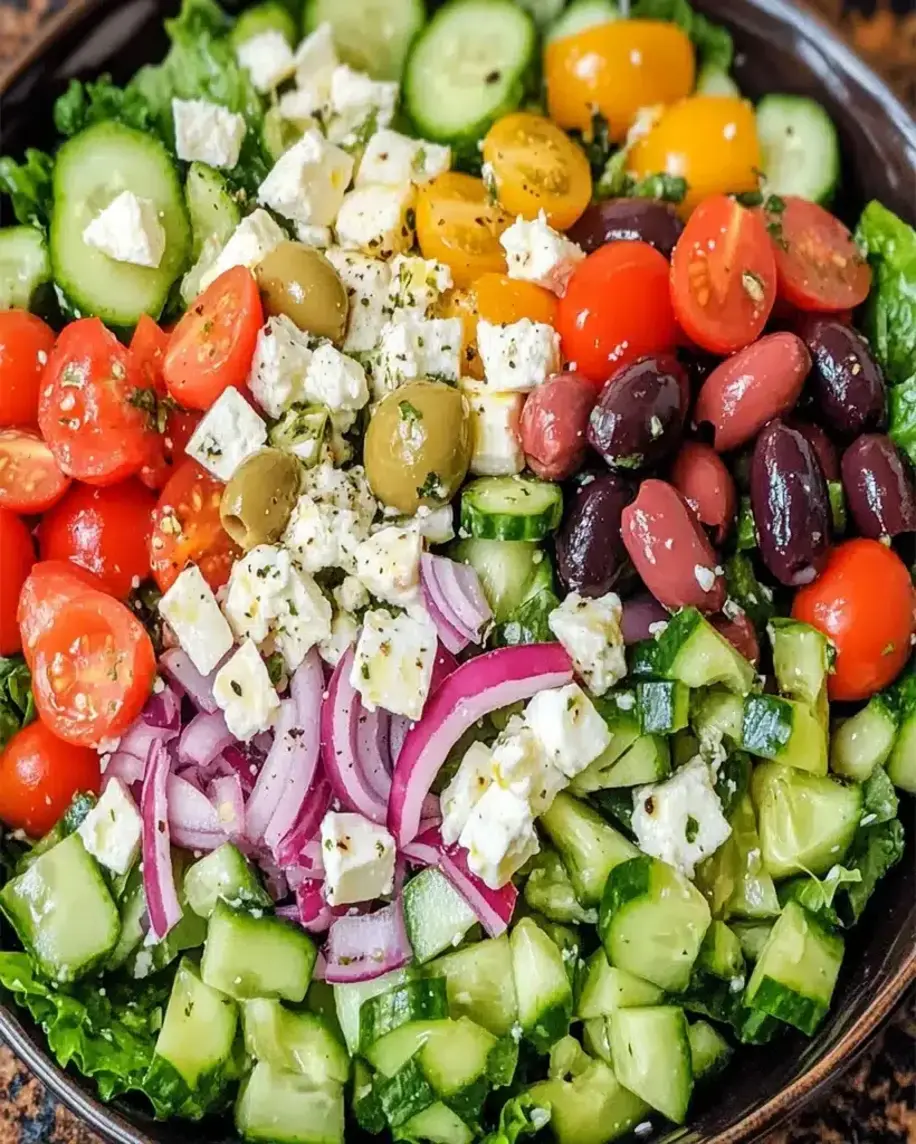
Looking for a salad that’s vibrant, healthy, and incredibly satisfying? Did you know that incorporating more fresh, Mediterranean-inspired meals into your diet can boost your overall well-being? If you’re searching for a dish that epitomizes freshness and flavor, this **Greek Salad Recipe** is your ultimate destination. Packed with crisp vegetables, briny olives, and creamy feta cheese, it’s the perfect side dish or a light main course that will transport your taste buds straight to the sunny shores of Greece. Whether you’re a seasoned fan of Mediterranean cuisine or simply eager to explore a new **Greek-inspired recipe**, this salad is guaranteed to be a star at your table. Let’s dive into making this wonderful **Greek Salad Recipe** step-by-step!
Ingredients: A Symphony of Freshness
The magic of a true Greek salad lies in the quality and freshness of its components. Each ingredient plays a vital role, creating a harmonious blend of textures and tastes.
- For the Salad:
- Tomatoes: 2 large ripe beefsteak tomatoes, cut into wedges. Their juicy sweetness is the heart of the salad. (Substitution: Roma tomatoes or cherry tomatoes work well too.)
- Cucumber: 1 large English cucumber, peeled, seeded, and chopped into bite-sized pieces. Provides a refreshing, crisp crunch. (Substitution: Persian cucumbers offer a slightly sweeter, thinner skin.)
- Bell Pepper: 1 green bell pepper, seeded and chopped. Adds a slightly bitter, fresh crunch. (Substitution: Red or yellow bell peppers offer a sweeter flavor profile.)
- Red Onion: 1/2 medium red onion, thinly sliced. Delivers a pungent, slightly spicy bite that balances the other flavors. (Substitution: Shallots can be used for a milder onion flavor.)
- Kalamata Olives: 1 cup pitted Kalamata olives, halved. These briny, fruity olives are essential for that authentic Greek taste. (Substitution: Other good quality Greek or black olives can be used, though Kalamata are preferred.)
- Feta Cheese: 6-8 ounces good quality feta cheese, preferably in a block, crumbled or cubed. Its salty, tangy creaminess is non-negotiable. (Substitution: Goat cheese can be used for a creamier, tangier alternative, but it will alter the traditional Greek flavor.)
- For the Lemon-Herb Vinaigrette:
- Extra Virgin Olive Oil: 1/2 cup. Use a good quality olive oil for its fruity, peppery notes.
- Fresh Lemon Juice: 1/4 cup (from about 2 lemons). Bright, zesty, and essential for the dressing’s tang.
- Dried Oregano: 1 teaspoon. Authentic Greek flavor.
- Fresh Parsley: 2 tablespoons, finely chopped (optional, for added freshness).
- Garlic: 1 clove, minced (optional, for a subtle kick).
- Salt and Black Pepper: To taste.
Timing: Quick & Effortless Preparation
This Greek Salad Recipe is a champion of speed! With a total time of just 15 minutes, it’s significantly faster than the average salad recipe, which often involves roasting or cooking components. This makes it ideal for busy weeknights or spontaneous gatherings.
Step-by-Step Instructions: Let’s Get Chopping!
Step 1: Prepare the Vegetables
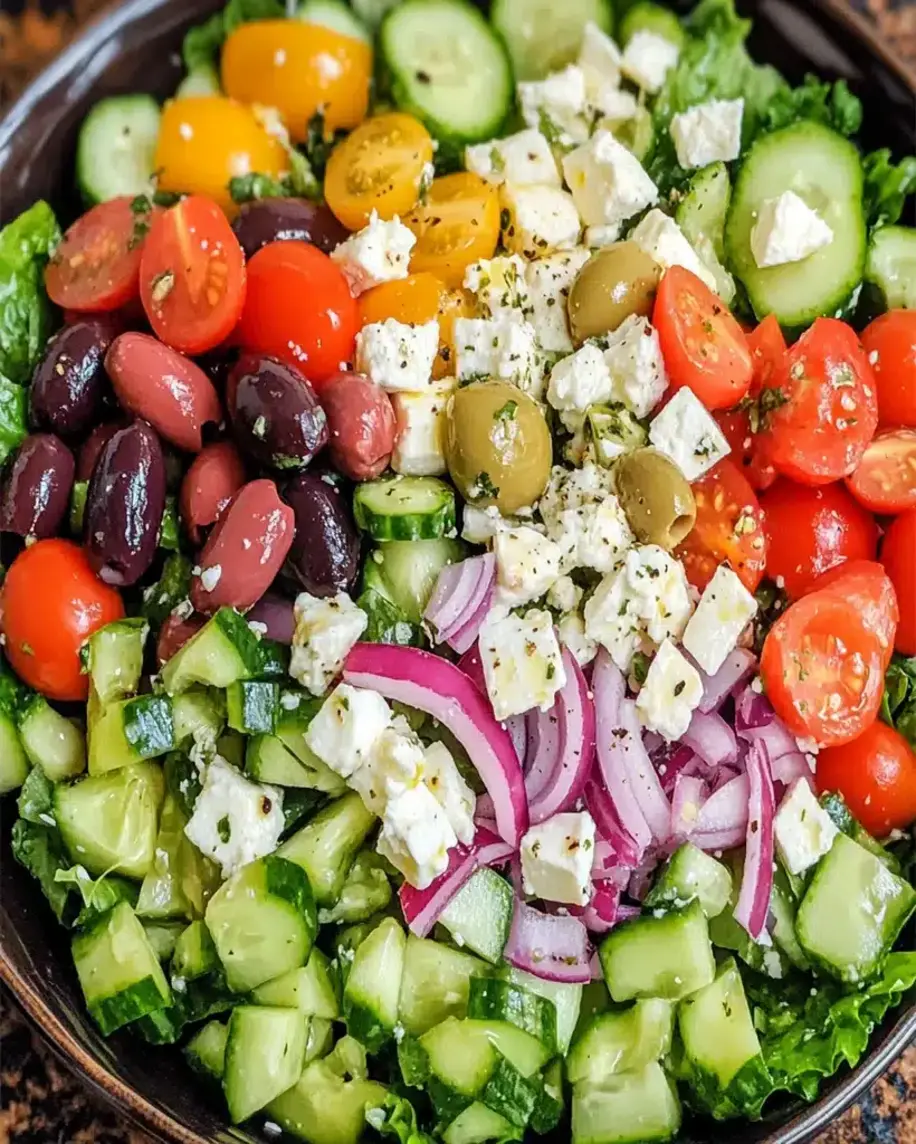
First things first, let’s get our salad base prepped! Rinse your tomatoes and cucumber. Cut the tomatoes into beautiful, juicy wedges. For the cucumber, I like to peel it, then slice it in half lengthwise and scoop out the seeds with a spoon – this prevents a watery salad. Then, chop it into generous, bite-sized pieces. Seed your green bell pepper and give it a good chop, aiming for pieces similar in size to your cucumber. Thinly slice your red onion – a mandoline can help here for uniform slices, but a sharp knife works wonders too. If you find raw onion a bit too strong, you can soak the slices in cold water for 10 minutes and then drain them well; this mellows out their bite beautifully.
Step 2: Assemble the Salad Base
Now, let’s bring these beautiful veggies together. In a large salad bowl, gently combine the chopped tomatoes, cucumber, bell pepper, and thinly sliced red onion. Add your pitted Kalamata olives – their dark, rich hue is so appealing, isn’t it? Give everything a gentle toss to ensure a good distribution of all the fresh components. Don’t add the feta cheese just yet; we want it to remain beautifully distinct and creamy.
Step 3: Craft the Lemon-Herb Vinaigrette
The dressing is where the real flavor magic happens! In a small bowl or a jar with a tight-fitting lid, combine the extra virgin olive oil and fresh lemon juice. Add the dried oregano – this is crucial for that signature Greek aroma and taste. If you’re feeling extra fresh, stir in the finely chopped fresh parsley and minced garlic. Season generously with salt and freshly ground black pepper. Whisk or shake the jar vigorously until the dressing is well emulsified, creating a beautiful, slightly thickened concoction.
Step 4: Combine and Serve
This is the grand finale! Drizzle about half of the prepared vinaigrette over the vegetables in the bowl and toss gently to coat. Now, add your crumbled or cubed feta cheese. Toss *very* gently one more time, just enough to distribute the feta without breaking it down too much. Taste and adjust seasoning if needed, adding more salt, pepper, or even a touch more lemon juice if you desire. It’s best to serve this wonderful Greek salad immediately to enjoy the crispness of the vegetables. You can pass the remaining vinaigrette at the table for anyone who wants a little extra.
Nutritional Snapshot
This Greek salad is a powerhouse of nutrients. While exact values can vary based on portion size and specific ingredients, a typical serving offers:
- Calories: Approximately 250-350 kcal
- Healthy Fats: Primarily from olive oil and olives.
- Vitamins & Minerals: Rich in Vitamin C (tomatoes), Vitamin A (bell peppers), antioxidants, and electrolytes.
- Fiber: From the fresh vegetables.
Healthier Alternatives & Flavor Swaps
Looking to make this Greek salad even lighter or switch up the flavors? Here are some smart swaps:
- Reduced Fat Feta: If calorie-conscious, opt for a reduced-fat feta cheese to lower fat content while retaining a similar flavor profile.
- Less Oil in Dressing: Use a 1:1 ratio of olive oil to lemon juice, or even slightly less oil, to reduce overall fat. A good quality olive oil is key, so you don’t need much for great flavor.
- Add Protein: Toss in grilled chicken breast, shrimp, or chickpeas for a more substantial, protein-packed meal.
- Bell Pepper Variety: While green bell peppers are traditional, using a mix of red, yellow, and orange peppers will add more sweetness and a wider range of antioxidants.
- Herb Variations: Experiment with fresh mint or dill in the dressing for a refreshing twist.
Serving Suggestions
This vibrant Greek salad is incredibly versatile. Serve it as:
- A refreshing side dish alongside grilled meats, fish, or poultry.
- A light and healthy lunch, perhaps with a side of crusty whole-wheat bread.
- A crowd-pleasing appetizer at potlucks or gatherings.
- The star of a Mediterranean-themed meal, alongside hummus, pita bread, and falafel.
Common Mistakes to Avoid
To ensure your Greek salad is perfection every time, steer clear of these common pitfalls:
- Using Pre-Crumbled Feta: Block feta is superior. Pre-crumbled feta often contains anti-caking agents that make it dry and less flavorful.
- Over-Mixing: Tossing too vigorously can break down the feta and make the salad mushy. Gentle handling is key!
- Too Much Dressing: Start with less dressing and add more as needed. A good salad should be lightly coated, not drowned.
- Lettuce in Traditional Greek Salad: While modern variations might include lettuce, a classic Greek salad does not. Stick to the core ingredients for authenticity.
- Using Low-Quality Olive Oil: Since olive oil is a starring ingredient in the dressing, use a good extra virgin olive oil for the best flavor.
Storing Tips
For the freshest taste, it’s best to serve this Greek salad immediately after preparation. However, if you have leftovers:
- Separate Dressing: If you know you’ll have leftovers, store the undressed salad components and the dressing separately in airtight containers in the refrigerator.
- Toss Before Serving: When ready to eat leftovers, combine the salad ingredients and toss with the dressing. You may need to add a little more dressing or a splash of lemon juice as the vegetables might have softened.
- Best if Eaten Within: Leftovers are best consumed within 1-2 days. The texture of the vegetables will change over time.

Taste the Mediterranean Sunshine!
There you have it – a simple yet incredibly flavorful Greek Salad Recipe that’s perfect for any occasion. It’s a testament to how fresh, quality ingredients can create something truly spectacular with minimal effort. This salad is more than just a dish; it’s an experience, bringing the vibrant tastes of Greece right to your plate. So, gather your ingredients, chop with joy, and savor every delicious bite!
Loved this recipe? Share your thoughts and photos with us in the comments below! Don’t forget to explore more delicious Mediterranean recipes on our blog!
Frequently Asked Questions (FAQs)
***Can I make this Greek Salad ahead of time?***
Yes, but with a crucial step! It’s best to chop all your vegetables and prepare the dressing separately. Store them in airtight containers in the refrigerator. Combine and dress the salad just before serving to maintain the crispness of the ingredients.
***What kind of olives are best for Greek salad?***
Kalamata olives are the traditional choice, offering a distinct briny and fruity flavor. Ensure they are pitted before adding to the salad. If you can’t find Kalamata, good quality black or green Greek olives are a suitable alternative.
***Can I add lettuce to my Greek salad?***
While a traditional Greek salad (Horiatiki) does not contain lettuce, many modern interpretations do. If you prefer to add it, crisp romaine lettuce or mixed greens are good choices. Add them with the other vegetables before dressing, or serve the Greek salad over a bed of greens.
***How do I make the feta cheese creamier?***
For a creamier feta experience, ensure you’re using good quality feta, ideally in a block and packed in brine. Crushing it gently with your fingers or a fork while tossing the salad can also help it distribute and soften slightly, releasing its creamy texture.
***What can I serve this Greek salad with?***
This salad pairs wonderfully with grilled chicken, lamb, fish, or vegetarian options like falafel and hummus. It’s also excellent on its own with crusty bread for a light meal.
Greek Salad Recipe – Fresh, Easy, and Flavorful Mediterranean Dish
Welcome, food enthusiasts! If you’re looking for a fresh, vibrant, and utterly delicious salad recipe, thisGreek Salad Recipeis just for you. Packed with crisp vegetables, briny olives, and creamy feta cheese, it’s perfect as a side dish or a light main course. Whether you’re a fan of Mediterranean cuisine or simply want to try a newGreek-inspired recipe, this salad is sure to be a hit. Let’s dive into making this wonderfulGreek Salad Recipestep-by-step!
Ingredients
- 6–8cups chopped romaine lettuce(approx. 32 oz bag or1–2heads)
- 1/2 cupthinly sliced red onion
- 1/2 cupgrape or cherry tomatoes, halved
- 1/2 cupdiced cucumber
- 1/2 cupchopped green bell pepper
- 1/2 cuppitted Kalamata olives
- 1/2 cupcubed feta cheese
- 1/4 cupextra virgin olive oil
- 1/8 cupred wine vinegar
- 1 Tbsplemon juice
- 1 Tbsphoney
- 1 tspdried oregano
- 1 tspDijon mustard
- 1/4 tspkosher salt
- 1/4 tspblack pepper
Instructions
- Prepare the Salad Base:Begin by placing the chopped romaine lettuce in a large mixing bowl. Add the thinly sliced red onions, halved tomatoes, diced cucumber, chopped bell pepper, pitted olives, and cubed feta cheese. Toss gently to combine the ingredients evenly.
- Make the Dressing:In a separate small mixing bowl, whisk together the olive oil, red wine vinegar, lemon juice, honey, oregano, Dijon mustard, salt, and pepper until well combined. Alternatively, you can add the ingredients to a jar with a tight-fitting lid and shake vigorously until the dressing emulsifies.
- Combine and Serve:Drizzle the dressing over the salad and toss to coat all ingredients thoroughly. For a more rustic presentation, serve the dressing on the side and let everyone add their desired amount.
Notes
Use Fresh Ingredients:Freshly chopped vegetables will provide the best texture and flavor.
Chill the Salad:Keep the salad in the fridge for about 15 minutes before serving for a crisper taste.
Customize the Dressing:Add a splash of balsamic vinegar for an extra tangy twist.
“`