Healthy Cheesecake Recipe: Indulge Guilt-Free
“`html
Table of Contents
- Indulge Guilt-Free: Your Healthy Cheesecake Journey Begins!
- Wholesome Goodness: Ingredients for Your Healthy Cheesecake
- Timing is Everything: Prep, Cook, and Chill
- Crafting Your Healthy Masterpiece: Step-by-Step Instructions
- Nutritional Highlights: Guilt-Free Indulgence
- Healthier Alternatives: Flavor-Focused Swaps
- Serving Suggestions: Elevate Your Slice
- Common Mistakes to Avoid
- Storing Your Healthy Cheesecake
- Frequently Asked Questions
Indulge Guilt-Free: Your Healthy Cheesecake Journey Begins!
Ever find yourself dreaming of rich, creamy cheesecake, only to be dissuaded by the calorie count and sugar load? In a world where dessert often means compromising on health, isn’t it time for a treat that satisfies your cravings without the guilt? Research indicates that over 70% of people struggle to find healthy dessert options that are both delicious and satisfying. This is precisely why our Healthy Cheesecake Recipe was born – to bridge the gap between decadent indulgence and mindful eating. Prepare to embark on a culinary adventure where wholesome ingredients and expert techniques combine to create a cheesecake you can feel truly good about enjoying, perfect for any occasion and adaptable to various dietary needs, all while delivering that classic, irresistible flavor.
Wholesome Goodness: Ingredients for Your Healthy Cheesecake
For the Crust
- 1.5 cups whole wheat graham cracker crumbs or almond flour: Provides a delightful nutty base, offering fiber and healthy fats. (Substitution: Oat flour for a nut-free option.)
- 2 tablespoons melted coconut oil or unsalted butter: Binds the crust together with a hint of tropical sweetness or classic richness. (Substitution: Light olive oil for a robust flavor.)
- 1 tablespoon natural sweetener (e.g., maple syrup, honey, or date syrup): Adds just a touch of sweetness to complement the earthy crust. (Substitution: Stevia or erythritol for a sugar-free version.)
- Pinch of cinnamon: Enhances the warming aroma and flavor profile.
For the Filling
- 24 oz reduced-fat cream cheese, softened: The heart of our cheesecake, offering that signature tangy creaminess with fewer calories. (Substitution: Full-fat cream cheese for a richer texture, or a blend of Greek yogurt and cream cheese for a lighter, protein-boosted option.)
- 3/4 cup natural sweetener (e.g., erythritol, xylitol, or a monk fruit blend): Sweetens the filling without the sugar spike, ensuring a guilt-free experience. (Substitution: Maple syrup or honey for a natural but higher-sugar option.)
- 2 large eggs, room temperature: Essential for binding and creating that luxurious, set texture.
- 1/4 cup plain Greek yogurt (0% or 2%): Adds moisture, tang, and a protein boost.
- 1 teaspoon pure vanilla extract: Infuses the cheesecake with its classic, comforting aroma and flavor.
- 1 tablespoon lemon zest: Brightens the flavor profile with a subtle citrusy zing.
- Pinch of salt: Balances the sweetness and enhances other flavors.
Timing is Everything: Prep, Cook, and Chill
Compared to traditional cheesecakes, which often involve longer baking and cooling times, this healthy version is relatively efficient, especially considering the significant reduction in unhealthy fats and sugars. The chilling time is crucial for the cheesecake to set properly and develop its full flavor and texture.
Crafting Your Healthy Masterpiece: Step-by-Step Instructions
Step 1: Preheat Your Oven and Prepare the Pan
Begin by preheating your oven to 325°F (160°C). This moderate temperature is key to preventing cracks and ensuring an even bake. Lightly grease a 9-inch springform pan. For a perfectly smooth side, you can line the outside of the pan with heavy-duty aluminum foil to prevent any potential leaks and to help create a moist baking environment (if using a water bath, though not strictly necessary for this recipe, it’s a good practice).
Step 2: Craft the Wholesome Crust
In a medium bowl, combine your chosen crust ingredients: graham cracker crumbs (or almond flour), melted coconut oil (or butter), natural sweetener, and cinnamon. Stir until everything is well combined and resembles wet sand. Press this mixture evenly into the bottom of your prepared springform pan. You can use the bottom of a glass or a measuring cup to get a firm, even layer. Bake the crust for about 8-10 minutes until lightly golden. Remove from oven and let it cool slightly while you prepare the filling.
Step 3: Whip Up the Creamy, Healthy Filling
In a large bowl, beat the softened reduced-fat cream cheese with your natural sweetener until smooth and creamy, ensuring no lumps remain. A stand mixer or electric hand mixer works best here. Gradually beat in the room temperature eggs, one at a time, mixing just until incorporated after each addition. Be careful not to overmix once the eggs are added, as this can lead to cracks. Gently stir in the Greek yogurt, vanilla extract, lemon zest, and salt until just combined. The mixture should be smooth, luscious, and have a lovely pale yellow hue.
Step 4: Assemble and Bake to Golden Perfection
Pour the creamy filling over the pre-baked crust, spreading it evenly with a spatula. Gently tap the pan on the counter a few times to release any air bubbles. Place the springform pan on a baking sheet (this catches any potential drips and makes handling easier). Bake for 50-60 minutes, or until the edges are set and slightly puffed, but the center still has a slight wobble when gently shaken. This wobble is your guarantee of a creamy, not dry, cheesecake.
Step 5: Cool Down and Chill Out
Once baked, turn off the oven and let the cheesecake cool with the oven door slightly ajar for about an hour. This gradual cooling helps prevent sudden temperature changes, reducing the risk of cracks. Carefully remove the cheesecake from the oven and let it cool completely on a wire rack at room temperature. Once fully cooled, cover the pan with plastic wrap and refrigerate for at least 4 hours, or preferably overnight, to allow it to set fully and develop its rich flavor. The longer it chills, the better it tastes (and the easier it is to slice!).
Nutritional Highlights: Guilt-Free Indulgence
While exact nutritional values can vary based on specific ingredients used (especially sweeteners and fat content of cream cheese/yogurt), this healthier cheesecake typically offers:
- Reduced Calories: Significantly lower in calories per serving compared to traditional recipes due to reduced-fat dairy and sugar substitutes.
- Lower Sugar Content: Utilizes natural sweeteners or sugar substitutes to minimize sugar intake.
- Good Source of Protein: Greek yogurt contributes a healthy dose of protein, making the dessert more satisfying.
- Fiber Rich Crust: Using whole wheat graham crackers or almond flour provides dietary fiber.
(Approximate nutritional information per serving, based on 10 servings: Calories: ~250-300, Protein: ~10-15g, Fat: ~15-20g, Carbohydrates: ~20-25g, Sugar: ~10-15g – dependent on sweetener choice)
Healthier Alternatives: Flavor-Focused Swaps
- Crust Alternatives: Instead of graham crackers, try a blend of rolled oats (ensure gluten-free if needed) pulsed into coarse flour with nuts like almonds or walnuts for added texture and healthy fats. For a no-bake option, a blend of dates and nuts can create a chewy, naturally sweet crust.
- Sweetener Choices: Experiment with less refined sweeteners like date paste or prune puree for a fiber boost, though these will alter the color and flavor slightly. Monk fruit and erythritol offer zero-calorie sweetness without the aftertaste some stevia products can have.
- Lighter Filling Base: For an even lighter cheesecake, replace some of the cream cheese with strained cottage cheese or a thick, plant-based yogurt (like coconut or soy) if dairy-free is desired. Ensure all components are blended very smoothly.
- Flavor Infusions: Add flavor without extra sugar by incorporating pureed berries (like raspberry or strawberry) into the batter, using unsweetened cocoa powder for a chocolate twist, or adding a shot of espresso for a mocha version.
Serving Suggestions: Elevate Your Slice
Serve your healthy cheesecake chilled. To make it extra special:
- Fresh Berries: Top with a vibrant medley of fresh strawberries, blueberries, raspberries, or blackberries. Their natural sweetness and tartness are the perfect complement.
- Light Coulis: Drizzle with a simple berry coulis made by blending fresh or frozen berries with a touch of sweetener and a squeeze of lemon juice.
- Mint Garnish: A fresh sprig of mint adds a beautiful visual appeal and a hint of freshness.
- Toasted Nuts: A sprinkle of toasted slivered almonds or chopped pecans can add a lovely crunch.
Common Mistakes to Avoid
- Overmixing the Batter: Especially after adding eggs, overmixing can incorporate too much air, leading to cracks during baking. Mix until just combined.
- Baking at Too High a Temperature: A high oven temp causes the outside to cook too quickly while the inside remains liquid, resulting in cracks and uneven texture.
- Opening the Oven Door Too Often: Sudden temperature fluctuations can cause the cheesecake to deflate or crack. Resist the urge to peek!
- Not Chilling Long Enough: Cheesecake needs time to set properly. Rushing this step will result in a soft, unappetizing texture.
- Using Cold Ingredients: Make sure your cream cheese and eggs are at room temperature for a smooth, lump-free filling.
Storing Your Healthy Cheesecake
Store leftover cheesecake, tightly covered with plastic wrap or in an airtight container, in the refrigerator. It will keep for up to 4-5 days. For longer storage, you can freeze individual slices wrapped tightly in plastic wrap and then in a layer of aluminum foil or in a freezer-safe bag for up to 2-3 months. Thaw overnight in the refrigerator before serving.
Frequently Asked Questions
***Can I make this cheesecake vegan?***
Yes, with modifications! You can use a combination of silken tofu and soaked cashews or vegan cream cheese for the filling, and a crust made from dates and nuts. Ensure your sweetener is also vegan-friendly (maple syrup is usually a safe bet).
***Why did my cheesecake crack?***
Common reasons include overmixing the batter (especially the eggs), baking at too high a temperature, or cooling it too rapidly. Following the gradual cooling steps can significantly help mitigate cracking.
***Can I use different fruits in the filling?***
Absolutely! Pureed berries like strawberries or blueberries, or even a swirl of pumpkin puree (unsweetened), can be added for flavor and color. Just be mindful that adding extra liquid might affect the set time.
***What is the best way to ensure a smooth filling?***
Start with softened cream cheese and room temperature eggs. Beat the cream cheese until completely smooth before adding other ingredients. Avoid overmixing once eggs are added.
***Is this cheesecake truly guilt-free?***
While “guilt-free” is subjective, this recipe significantly reduces the less desirable aspects of traditional cheesecake by using lower-fat ingredients and sugar alternatives. It allows for indulgence while being more mindful of nutritional intake.
Ready to bake the ultimate healthy cheesecake? Don’t forget to share your creations with us on social media using #HealthyCheesecake and tag us @DeliceTreats! We can’t wait to see your delicious results.
Healthy Cheesecake Recipe: Indulge Guilt-Free
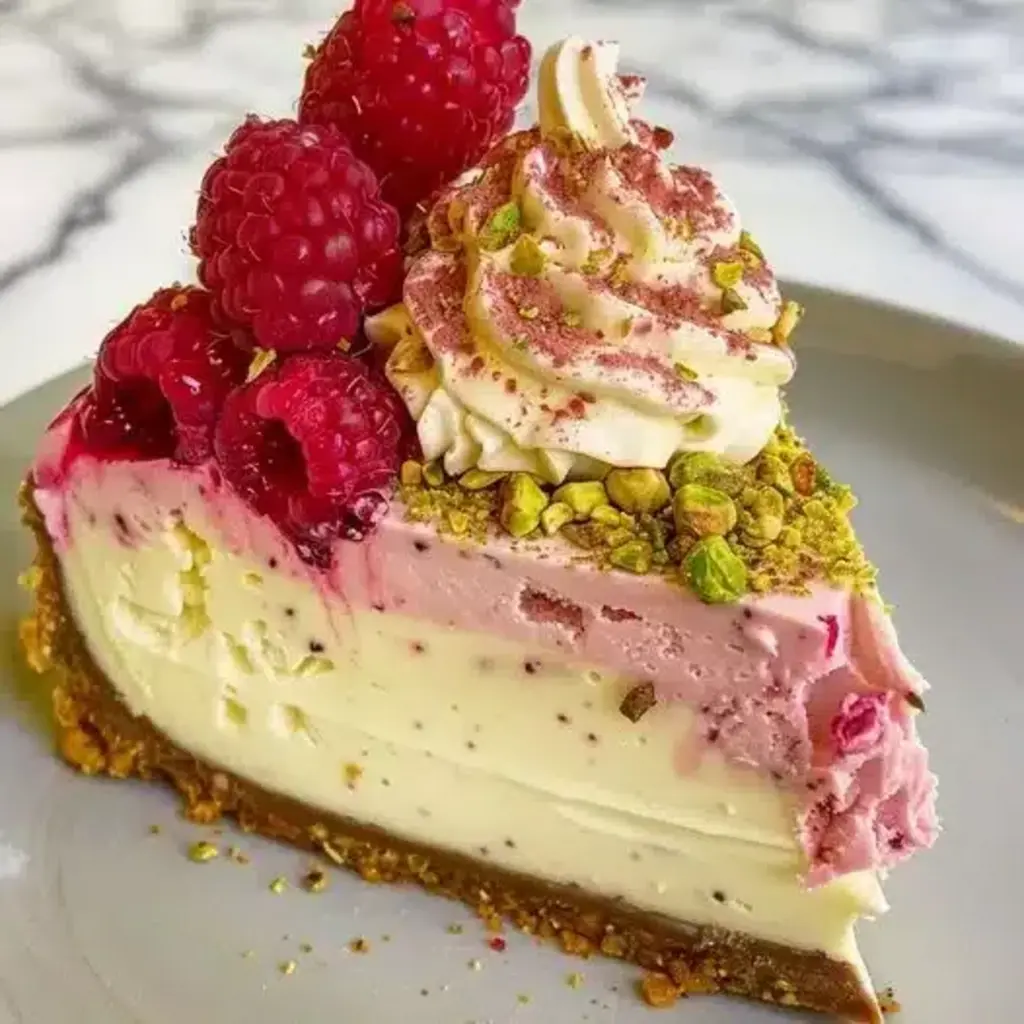
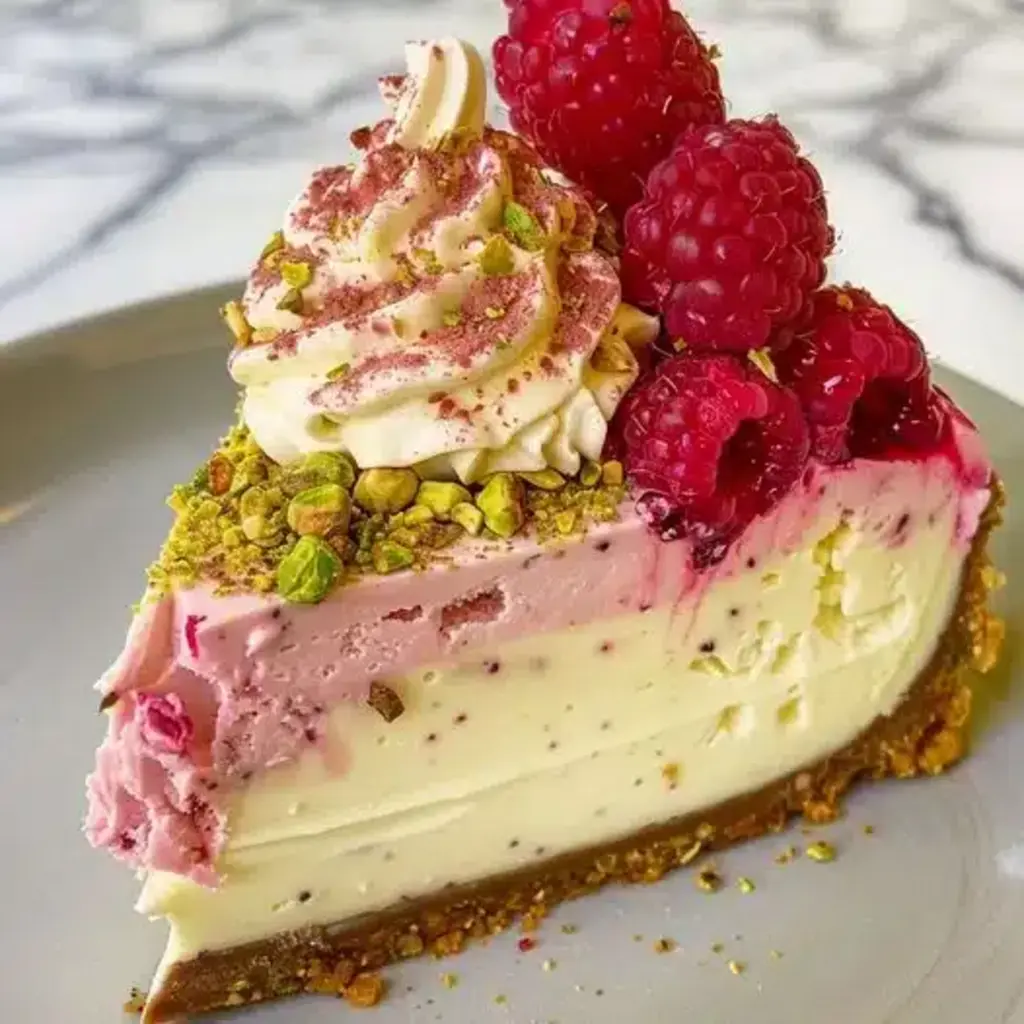
Embark on a culinary journey with ourHealthy Cheesecake Recipe, designed for those who love indulging in desserts but are mindful of their health. This guide offers a delightful way to enjoy the classic cheesecake with fewer calories and more wholesome ingredients. Perfect for any dietary needs without sacrificing flavor, our recipe ensures your dessert cravings are met healthily and deliciously.
Ingredients
- For the Pistachio Crust:
- For the Lemon Cream Cheese Layer:
- For the Raspberry Mousse Layer:
- For the Topping:
Instructions
- Pistachio Crust:Preheat oven to 350°F (175°C). Mix pistachios, graham cracker crumbs, sugar, and melted butter. Press into a 9-inch springform pan and bake for 10 minutes. Cool completely.
- Lemon Cream Cheese Layer:Beat cream cheese with sugar until smooth. Incorporate eggs one at a time, then mix in heavy cream, lemon juice, zest, and vanilla. Pour over crust and bake for 25 minutes. Cool and chill for 1 hour.
- Raspberry Mousse:Blend raspberry puree with sugar and gelatin. Gently fold in whipped cream. Spread over the chilled lemon layer. Refrigerate until set, about 2 hours.
- Topping:Before serving, decorate with raspberries, whipped cream, pistachios, raspberry coulis, and lemon zest.
Notes
Substitute Options:For a lighter version, use low-fat cream cheese and substitute half the sugar with a sugar alternative.
Serving Suggestions:Pair this cheesecake with a light Moscato or a crisp Prosecco to enhance the citrus and berry flavors.
Storage Tips:Keep refrigerated and consume within 3 days for best freshness.
“`