Homemade Spaghetti Sauce Recipe
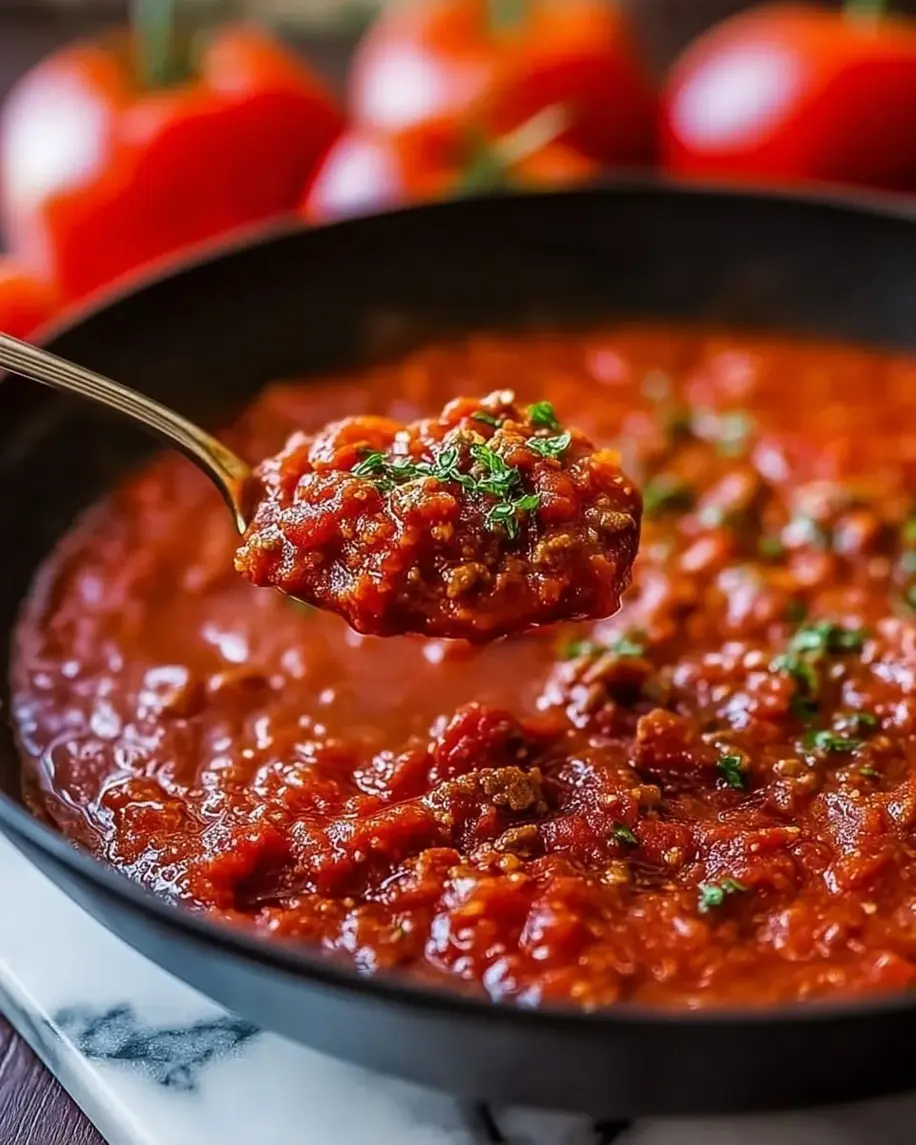
Table of Contents
Homemade Spaghetti Sauce Recipe
Introduction
Did you know that a study published in the Journal of Food Science found that homemade tomato sauces retain up to 40% more antioxidants than many store-bought versions? That’s just one reason why mastering your own homemade spaghetti sauce is a game-changer for your kitchen. This isn’t just another recipe; it’s your passport to a classic Italian-style marinara that’s simmered to perfection, developing deep, rich flavors that no jar can replicate. Forget the bland, overly sweet, or metallic-tasting sauces. We’re building a sauce from the ground up with crushed tomatoes, tomato sauce, and a carefully balanced blend of herbs. The gentle stovetop simmer is where the magic happens, transforming simple ingredients into a versatile powerhouse. Whether you’re dressing a plate of al dente pasta, creating the perfect pizza base, or using it as a foundation for other dishes, this sauce is your new culinary secret weapon. Let’s dive in and create something truly special.
Ingredients List
Gather these simple, high-quality ingredients. The quality of your tomatoes will directly impact the final flavor, so choose wisely.
- 2 tablespoons extra virgin olive oil – The fruity, peppery base for sautéing. (Substitution: Avocado oil for a higher smoke point, but you’ll lose some classic Italian flavor).
- 1 medium yellow onion, finely diced – About 1 cup. This provides a sweet, savory foundation. Look for onions that feel firm and heavy for their size.
- 4-5 cloves garlic, minced – Fresh is non-negotiable. The pungent, aromatic bite mellows into a sweet, nutty background note.
- 1 (28-ounce) can crushed tomatoes – The body of the sauce. Opt for San Marzano tomatoes if possible for their sweet, less acidic taste and vibrant red color.
- 1 (15-ounce) can tomato sauce – This adds smoothness and helps thicken the sauce to a luscious, cling-to-your-pasta consistency.
- 1 (6-ounce) can tomato paste – The flavor concentrator. It adds a deep, caramelized tomato richness and helps thicken.
- 1 cup vegetable broth or water – For adjusting consistency. Broth adds another layer of savory flavor (umami).
- 2 teaspoons dried oregano – Rub it between your palms before adding to awaken its earthy, slightly bitter aroma.
- 1 teaspoon dried basil – Sweet and peppery. If using fresh, add 1 tablespoon chopped at the very end.
- 1-2 teaspoons granulated sugar (optional) – A pinch to balance acidity, not to make it sweet. Taste first!
- 1 teaspoon salt, plus more to taste – Essential for making all the other flavors pop.
- ½ teaspoon freshly ground black pepper – Adds a gentle heat and complexity.
- Optional for heartiness: 1 lb ground beef, Italian sausage, or a mix. Brown it separately and drain fat before adding with the tomatoes.
- Optional for depth: A splash of red wine (about ¼ cup), 1 teaspoon red pepper flakes, or a Parmesan rind simmered in the sauce.
Timing
While many quick marinara recipes promise dinner in 20 minutes, true flavor development takes patience. This 45-minute simmer is what sets this homemade spaghetti sauce apart. Compared to the average 30-minute recipe, this extra 15 minutes allows the water to evaporate, the flavors to marry, and the sauce to thicken naturally into a rich, cohesive masterpiece. It’s an investment that pays off in every single bite.
A pot of rich, simmering homemade spaghetti sauce, the heart of Italian cooking.
Step-by-Step Instructions
Step 1: Sauté the Aromatics
In a large, heavy-bottomed pot or Dutch oven, heat the olive oil over medium heat until it shimmers. Add the diced onion and a pinch of salt. Cook, stirring occasionally, for 5-7 minutes until the onions become soft, translucent, and just starting to turn golden at the edges. This step, called “sweating,” draws out the onions’ natural sugars. Now, add the minced garlic and cook for just 60-90 seconds more until incredibly fragrant. Be vigilant—burnt garlic is bitter and will ruin your sauce. You should smell that warm, inviting aroma filling your kitchen.
Step 2: Build the Tomato Base
Push the onions and garlic to the side of the pot. Add the tomato paste to the cleared space and let it cook for 1-2 minutes, stirring it alone. This “toasts” the paste, caramelizing its sugars and deepening its flavor from bright and tangy to rich and complex. Now, stir the paste into the onions and garlic. Pour in the crushed tomatoes and tomato sauce. Rinse each can with about ½ cup of the vegetable broth or water, swishing it around to get every last bit of tomato, and add it to the pot. This ensures no flavor is left behind.
Step 3: Simmer and Develop Flavor
Add the dried oregano, basil, salt, and pepper. If you’re using an optional Parmesan rind or red pepper flakes, add them now. Stir everything thoroughly. Bring the sauce to a gentle bubble, then immediately reduce the heat to low. Partially cover the pot with a lid, leaving a small crack for steam to escape. Let it simmer gently for at least 45 minutes, stirring every 10-15 minutes to prevent sticking. This slow simmer is non-negotiable. Watch as the sauce darkens from a bright orange-red to a deep, brick red and thickens to coat the back of a spoon.
Step 4: Final Seasoning and Adjustments
After 45 minutes, taste your masterpiece. This is your moment. Does it need a pinch more salt to lift the flavors? Is it a bit too acidic or sharp? If so, stir in ½ teaspoon of sugar at a time until balanced. If it’s thicker than you prefer, stir in a little more broth or water. If you’re using fresh basil, stir it in now. For a smoother texture, you can use an immersion blender for a few pulses. Remove the Parmesan rind if used. Your sauce is now ready to transform any meal.
Nutritional Information
The following estimates are for approximately ½ cup of sauce (without added meat or oil for pasta).
- Calories: ~70 kcal
- Total Fat: 3g
- Saturated Fat: 0.5g
- Carbohydrates: 10g
- Fiber: 2g
- Sugars: 6g (naturally occurring from tomatoes)
- Protein: 2g
- Sodium: ~400mg (adjustable based on salt added)
Healthier Alternatives
Love flavor but watching your intake? These swaps keep the soul of the sauce intact.
- Reduce Sodium: Use no-salt-added canned tomatoes and low-sodium broth. Boost flavor with extra garlic, a splash of balsamic vinegar at the end, or mushrooms sautéed with the onions.
- Cut Sugar: Omit granulated sugar entirely. Instead, add one grated carrot with the onions. The carrot’s natural sweetness caramelizes and mellows acidity without adding refined sugar.
- Boost Nutrition: Stir in a handful of finely chopped spinach or kale during the last 5 minutes of simmering. Blend in ¼ cup of cooked red lentils for added protein and fiber—they’ll dissolve and thicken the sauce beautifully.
- Lower Fat: Use just 1 tablespoon of olive oil or substitute with a broth sauté for the onions and garlic.
Serving Suggestions
This sauce’s versatility is its superpower. Go beyond spaghetti!
- The Classic: Toss with al dente spaghetti, linguine, or bucatini. Finish with a drizzle of extra virgin olive oil and fresh grated Parmesan.
- Pizza Night: Spread a thin layer on your pizza dough for an authentic, flavorful base. Top with fresh mozzarella and basil.
- Meatball Sub: Simmer homemade or store-bought meatballs in the sauce until heated through, then pile into a toasted hoagie roll with provolone.
- Eggs in Purgatory (Uova in Purgatorio): Heat sauce in a skillet, make wells, crack in eggs, cover, and cook until eggs are set. Serve with crusty bread.
- Chicken or Eggplant Parmesan: Use as the saucy, flavorful layer between breaded cutlets and melted cheese.
Common Mistakes
- Rushing the Sauté: Undercooked onions won’t release their sweetness, leading to a flat, one-dimensional sauce. Take the time to soften them properly.
- Boiling, Not Simmering: A rolling boil cooks the sauce too quickly, leading to a thin, watery, and bitter result. A gentle, lazy bubble is the goal.
- Overloading with Dried Herbs: More is not better. Dried herbs can become bitter if overused. Stick to the measurements and rub them to activate their oils.
- Not Tasting and Adjusting: Seasoning is personal. Always taste at the end and adjust salt, acidity (with sugar or carrot), and thickness (with water/broth) to your preference.
- Using Inferior Tomatoes: The tomatoes are the star. Cheap, acidic tomatoes will make a cheap, acidic sauce. Invest in quality canned tomatoes—it’s worth it.
Storing Tips
- Refrigeration: Cool completely and store in an airtight container for up to 5 days. The flavors often improve on the second day.
- Freezing: This sauce freezes exceptionally well.