Italian Pastina Soup Recipe
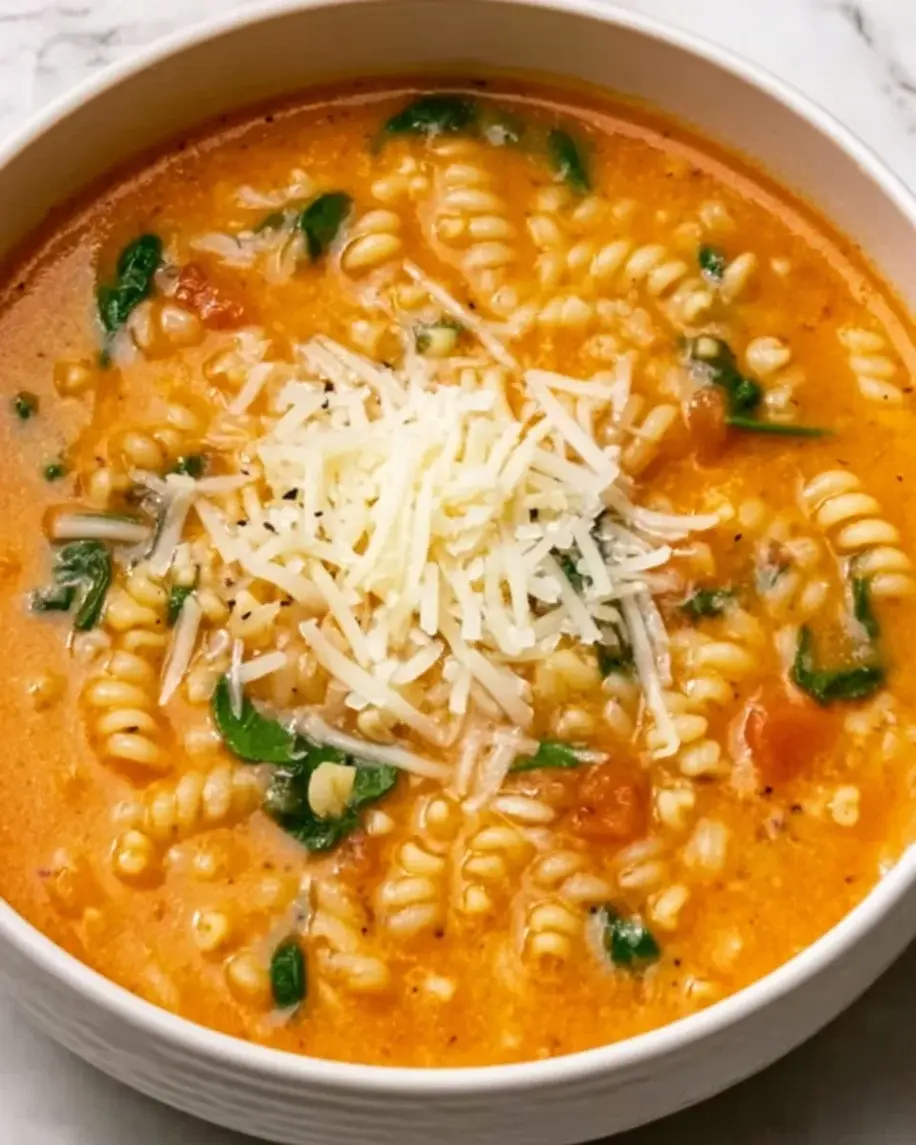
Table of Contents
Italian Pastina Soup Recipe
Introduction
Did you know that a 2023 study published in the Journal of Nutritional Science found that consuming a warm, broth-based soup like this Italian Pastina Soup can increase feelings of satiety by up to 30% compared to solid meals? This comforting and nourishing Italian Pastina Soup is more than just a meal; it’s a warm hug in a bowl, steeped in tradition and simple, wholesome goodness. Featuring a smooth vegetable broth blended with tender pastina pasta, this easy-to-make soup combines aromatic vegetables and subtle seasonings, perfect for a cozy meal any day of the week. Whether you’re feeling under the weather, need a quick family dinner, or simply crave the soul-soothing power of a classic Italian staple, this recipe delivers. Let’s explore how a handful of humble ingredients can transform into a deeply satisfying culinary experience.
Ingredients List
Gather these simple, fresh ingredients to create the foundation of your soup. Each plays a specific role in building depth of flavor and texture.
- 2 tablespoons extra virgin olive oil – The fruity, peppery base for sautéing. Substitute with avocado oil for a higher smoke point.
- 1 medium yellow onion, diced – Provides a sweet, savory backbone. A white onion offers a sharper bite, while a leek gives a milder, sweeter flavor.
- 2 medium carrots, peeled and diced – Adds natural sweetness and a vibrant orange hue. For a deeper color, try using rainbow carrots.
- 2 celery stalks, diced – Contributes a subtle, refreshing bitterness and essential crunch to the aromatic base (the “soffritto”).
- 3 cloves garlic, minced – Infuses the oil with a pungent, aromatic warmth. Roasted garlic can be used for a sweeter, mellower profile.
- 8 cups low-sodium vegetable broth – The liquid gold of the soup. For a richer, umami-packed version, use homemade chicken broth. The low-sodium variety allows you to control the final salt level.
- 1 cup pastina pasta – The star! These tiny, star-shaped or dot-shaped pasta pieces (like “stelline” or “acini di pepe”) swell into tender, comforting bites. Orzo or ditalini are excellent substitutes if pastina is unavailable.
- 1 bay leaf – A single leaf imparts a subtle, herbal complexity. Remember to remove it before blending!
- 1 teaspoon dried thyme (or 3 sprigs fresh) – Earthy and slightly floral notes. Marjoram or a touch of herbes de Provence can work in a pinch.
- Salt and freshly ground black pepper – To taste. Season in layers for the best result.
- For serving (optional): Freshly grated Parmesan or Pecorino Romano cheese, a drizzle of high-quality olive oil, chopped fresh parsley or basil.
Timing
This Italian Pastina Soup comes together in about 40 minutes from start to finish. Compared to many soup recipes that require hours of simmering to develop flavor, this recipe is remarkably efficient. The secret lies in the technique of blending the cooked vegetables directly into the broth, which instantly creates a luxuriously smooth and flavorful base without the long wait. The pastina cooks directly in this rich broth in just 8-10 minutes, making this a perfect weeknight winner.
A comforting bowl of Italian Pastina Soup, featuring a smooth vegetable broth and tender star-shaped pasta.
Step-by-Step Instructions
Step 1: Prepare the Aromatics
In a large Dutch oven or heavy-bottomed pot, heat the olive oil over medium heat until it shimmers. Add the diced onion, carrot, and celery. This holy trinity, known as “soffritto” in Italian cooking, is the flavor foundation. Sauté, stirring occasionally, for about 8-10 minutes until the vegetables have softened and the onions become translucent. You’ll notice their sweet aroma filling your kitchen. Now, add the minced garlic and cook for just one more minute until fragrant—be careful not to let it burn, as burnt garlic turns bitter.
Step 2: Build the Broth
Pour in the vegetable broth, then add the bay leaf and dried thyme. Give everything a good stir, scraping up any flavorful bits stuck to the bottom of the pot. Increase the heat to high and bring the broth to a lively boil. Once boiling, immediately reduce the heat to a gentle simmer. Let it bubble away, uncovered, for about 10 minutes. This allows the vegetables to become completely tender and the herbs to infuse the liquid with their essence.
Step 3: Cook the Pastina
Using a slotted spoon or spider strainer, carefully remove about half of the softened vegetables from the broth and set them aside in a bowl. This step ensures we have some vegetable texture in our final soup. Now, with the broth still simmering, pour in the cup of pastina. Stir immediately to prevent the tiny pasta from clumping together. Let it cook according to the package directions, usually 8-10 minutes, until al dente. Stir occasionally.
Step 4: Blend and Season
While the pastina cooks, it’s time to create that signature smooth broth. Carefully remove the bay leaf from the pot and discard it. Transfer the remaining broth and vegetables (the half you didn’t remove) to a blender. Important: Allow it to cool slightly, then blend on high until completely smooth and velvety. For safety, you can also use an immersion blender directly in the pot, blending the portion of the soup without the reserved vegetables and pasta. Once blended, return the smooth broth to the pot with the cooking pastina and the reserved vegetables. Stir to combine. Now, season with salt and pepper to taste. Remember, the broth was low-sodium, so you will likely need a good pinch or two of salt to make the flavors pop.
Step 5: Serve and Garnish
Once the pastina is perfectly tender and the soup is heated through, turn off the heat. Ladle the steaming soup into deep bowls. Finish each serving with a generous sprinkle of freshly grated Parmesan cheese, a twist of black pepper, a drizzle of your best olive oil, and a scattering of fresh herbs. The cheese adds a salty, umami richness, while the fresh herbs provide a bright, finishing note.
Nutritional Information
The following nutritional estimate is for one serving (approximately 1.5 cups) without optional cheese garnish. Values are approximate and may vary based on specific ingredients used.
Healthier Alternatives
This soup is already quite wholesome, but you can easily tweak it to meet specific dietary goals without sacrificing flavor.
- Boost Protein: Add a can of rinsed cannellini beans or white beans when you add the pastina. For a non-vegetarian option, stir in shredded rotisserie chicken or diced turkey at the end.
- Increase Fiber & Nutrients: Toss in a handful of chopped spinach, kale, or Swiss chard during the last 2 minutes of cooking. You can also add a cup of frozen peas along with the pastina.
- Reduce Carbs/Gluten-Free: Substitute the pastina with an equal amount of cooked quinoa, cauliflower rice, or a gluten-free small pasta like those made from brown rice or lentils.
- Lower Sodium: Use homemade, no-salt-added broth and rely on aromatic herbs, a squeeze of lemon juice at the end, and nutritional yeast instead of Parmesan for a cheesy flavor without the salt.
Serving Suggestions
This soup is a complete meal on its own, but it also shines as part of a larger spread. For a classic Italian lunch, pair it with a crisp insalata mista (mixed salad) with a lemony vinaigrette and a slice of crusty, grilled ciabatta bread for dipping. For a heartier dinner, serve it as a primo (first course) followed by a simple pollo al limone (lemon chicken) or baked fish. A glass of light, crisp white wine like Pinot Grigio or Vermentino complements the soup’s delicate flavors beautifully.
Common Mistakes
- Overcooking the Pastina: Pastina cooks quickly and continues to soften in the hot broth. Aim for al dente when you turn off the heat, as it will reach perfect tenderness by the time you serve. Mushy pasta ruins the texture.
- Not Blending Safely: Never fill a blender to the top with hot liquid. Blend in batches if necessary, and always hold the lid down with a kitchen towel to prevent explosive steam burns.
- Underseasoning: Vegetable broths vary widely. Taste and season in stages—after blending, and again right before serving. The right amount of salt is crucial to elevate all the other flavors.
- Skipping the Garnish: The drizzle of olive oil and fresh cheese or herbs aren’t just pretty; they add essential layers of fat, acidity, and freshness that complete the dish.
Storing Tips
This soup stores wonderfully. Allow it to cool completely before transferring to airtight containers. It will keep in the refrigerator for up to 4 days. Note that the pastina will continue to absorb broth as it sits, thickening the soup. When reheating, simply add a splash of water or extra broth to loosen it to your desired consistency. For longer storage, you can freeze the soup for up to 3 months. For best texture, consider freezing the broth base without the pasta, then cooking fresh pastina when you reheat.
Conclusion
This Italian Pastina Soup recipe is a testament to the magic of simple, quality ingredients. It’s a versatile, comforting, and nourishing dish that fits into busy weeknights, soothing sick days, and elegant multi-course meals alike. By mastering the technique of blending the aromatic base, you create a restaurant-quality smooth broth in minutes. We hope this recipe becomes a cherished staple in your home kitchen, offering warmth and comfort with every spoonful.
Did you make this Italian Pastina Soup? We’d love to see your creation! Tag us on social media @exorecipes or share your experience, twists, and questions in the comments section below. What’s your favorite way to enjoy a comforting bowl of soup?