Italian Sunday Sauce Recipe
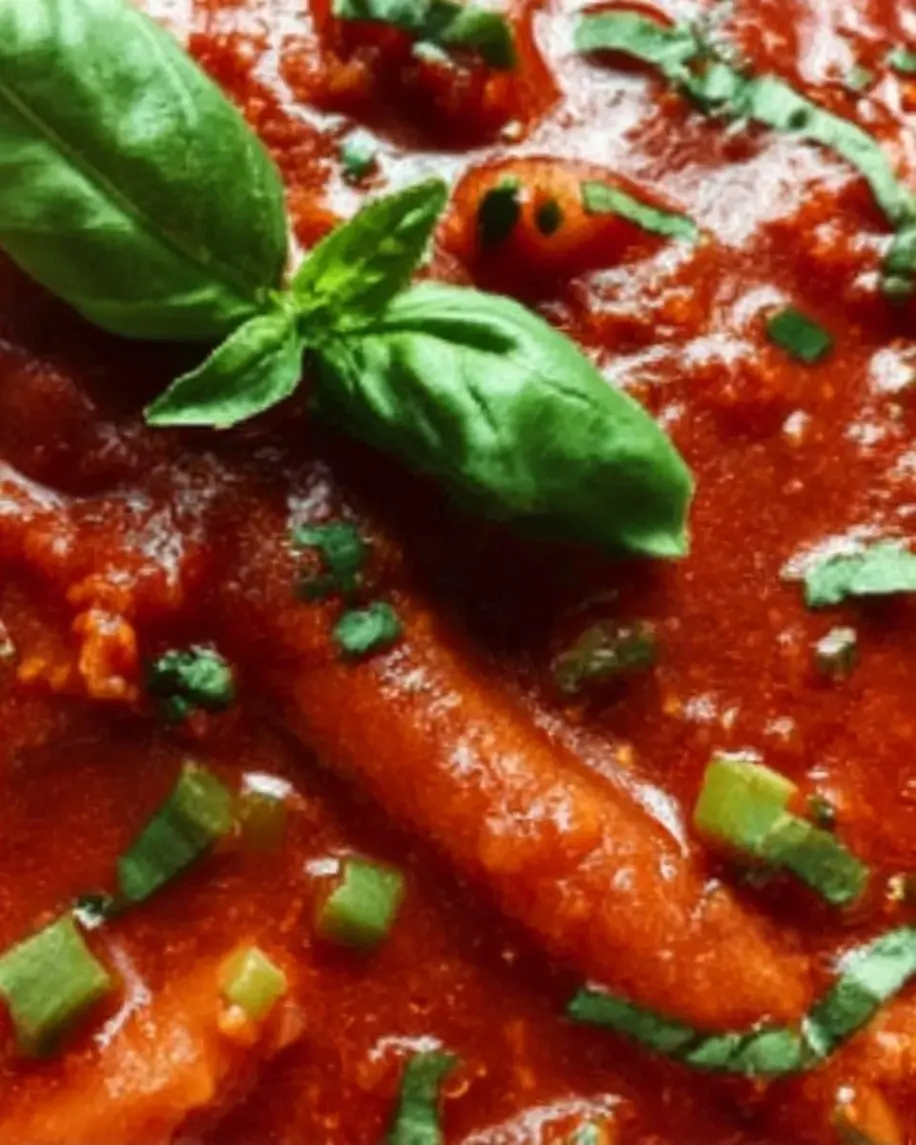
Table of Contents
Italian Sunday Sauce Recipe
Introduction
Did you know that a slow-simmered Italian Sunday Sauce can contain over 30% more lycopene, a powerful antioxidant, than a quick-cooked tomato sauce? This isn’t just a meal; it’s a tradition steeped in flavor and science. This rich and hearty Italian Sunday Sauce is a labor of love, a slow-simmered masterpiece that transforms simple ingredients into a complex, soul-warming experience. Loaded with tender beef chuck, flavorful Italian sausage, and savory meatballs, each bite is infused with the deep, aromatic notes of garlic, onions, and classic Italian herbs. It’s the centerpiece of a family gathering, perfect served over your favorite pasta with a sprinkle of sharp Pecorino Romano and a creamy dollop of ricotta cheese for an authentic Italian meal experience you’ll want to recreate every week.
Ingredients List
Gather high-quality ingredients for the best flavor. This recipe yields enough sauce for a large family, with leftovers that taste even better the next day.
- For the Meat:
- 1.5 lbs beef chuck roast, cut into 2-inch chunks (look for marbled pieces for maximum tenderness and rich flavor). Substitution: Beef short ribs or pork shoulder.
- 1 lb sweet Italian sausage links (the fennel seeds add a lovely aromatic quality). Substitution: Hot Italian sausage for a spicy kick, or turkey sausage for a lighter option.
- 1 lb homemade or store-bought meatballs (a mix of beef, pork, and veal is traditional).
- For the Aromatics & Base:
- 1 large yellow onion, finely diced (should yield about 2 cups for a sweet, foundational flavor).
- 6-8 cloves garlic, minced (you’ll smell the sweet, pungent aroma as it sautés).
- 1/4 cup extra virgin olive oil (use a good, fruity oil for the best flavor base).
- For the Tomato Sauce:
- 2 (28-oz) cans San Marzano whole peeled tomatoes, crushed by hand (their bright red color and low acidity are key). Substitution: High-quality crushed tomatoes.
- 1 (6-oz) can tomato paste (for concentrated, deep tomato flavor and color).
- 1 cup dry red wine (like Chianti or Cabernet Sauvignon – the alcohol cooks off, leaving a rich, rounded flavor). Substitution: Beef broth.
- 4 cups beef broth or water (broth adds another layer of savory depth).
- For the Herbs & Seasoning:
- 3-4 sprigs fresh basil + more for garnish (the fresh, slightly sweet anise-like flavor is irreplaceable).
- 2 sprigs fresh oregano or 1 tsp dried (earthy and robust).
- 2 bay leaves (they impart a subtle, floral woodsiness).
- 1 tsp crushed red pepper flakes (optional, for a gentle heat).
- Salt and freshly ground black pepper to taste.
- For Serving:
- 1 1/2 lbs pasta (rigatoni, pappardelle, or spaghetti hold the sauce beautifully).
- Pecorino Romano cheese, freshly grated (its salty, sharp bite cuts through the richness).
- Whole milk ricotta cheese (for a cool, creamy contrast).
Timing
While the total time of 4 hours may seem long compared to the average 30-minute pasta sauce recipe, this is intentional. The extended, slow simmering is what defines an authentic Italian Sunday Sauce. It allows the collagen in the beef chuck to break down into gelatin, creating a luxuriously thick sauce and fall-apart tender meat, while the flavors of the tomatoes, wine, and herbs meld into a complex, harmonious whole. Think of it as a relaxing, aromatic afternoon in your kitchen rather than a rushed task.
A rich, slow-simmered pot of Italian Sunday Sauce, the ultimate comfort food.
Step-by-Step Instructions
Step 1: Prepare the Meats
Pat all the meats dry with paper towels—this is crucial for getting a beautiful, caramelized sear instead of steam. Generously season the beef chuck pieces with salt and pepper. In your largest, heaviest-bottomed pot or Dutch oven (I swear by my enameled cast iron for this), heat 2 tablespoons of olive oil over medium-high heat. Working in batches to avoid crowding, sear the beef chunks on all sides until they develop a deep brown crust. This “fond” on the bottom of the pot is pure flavor gold. Remove the beef and set aside. In the same pot, add the sausage links and brown them on all sides. They don’t need to be cooked through, just nicely colored. Remove and set aside with the beef. If using raw meatballs, brown them lightly as well.
Step 2: Build the Flavor Base
Reduce the heat to medium. Add the remaining 2 tablespoons of olive oil to the pot. Add the diced onion and a pinch of salt, cooking until soft and translucent, about 8-10 minutes. You’ll hear a gentle sizzle. Then, add the minced garlic and cook for just 60 seconds until fragrant—be careful not to let it burn, or it will turn bitter. Now, stir in the tomato paste. Cook it for 2-3 minutes, stirring constantly. You’ll see its color darken slightly to a brick red, and it will smell sweet and concentrated. This step, called “cooking out” the paste, removes any raw, tinny taste.
Step 3: Cook the Sauce
Pour in the red wine to deglaze the pot. Use your wooden spoon to scrape up all those delicious browned bits (the fond) from the bottom. Let the wine simmer and reduce by half, about 3-4 minutes. The sharp alcohol smell will fade, replaced by a fruity, rich aroma. Add the hand-crushed San Marzano tomatoes with their juices, the beef broth, the seared beef chuck, sausage links, meatballs, fresh herb sprigs, bay leaves, and red pepper flakes. Stir everything gently to combine.
Step 4: Simmer and Serve
Bring the sauce to a very gentle simmer. The key here is low and slow. Partially cover the pot, leaving a small crack for steam to escape. Let it bubble away quietly for a minimum of 3 hours, stirring occasionally to prevent sticking on the bottom. You’ll know it’s ready when the beef is fork-tender and practically shreds, the sauce has thickened to a luscious, spoon-coating consistency, and the oil has risen to the surface in little red pools. In the last 30 minutes of cooking, taste and adjust seasoning with salt and pepper. Cook your pasta in well-salted water until al dente. Serve the sauce generously over the pasta, topping each bowl with a sprinkle of Pecorino Romano and a dollop of fresh ricotta. Don’t forget a piece of the tender beef or a meatball in every serving!
Nutritional Information
The following estimates are for a serving of sauce with meat (approximately 1.5 cups) without pasta or additional cheese.
- Calories: ~420 kcal
- Protein: ~32g
- Carbohydrates: ~18g
- Dietary Fiber: ~4g
- Sugars: ~10g (naturally occurring from tomatoes)
- Fat: ~24g
- Saturated Fat: ~8g
- Sodium: ~950mg (varies based on broth and seasoning)
Healthier Alternatives
You can enjoy the deep flavors of this Italian Sunday Sauce with some mindful adjustments:
- Leaner Meats: Use 93% lean ground turkey or chicken for the meatballs, and choose chicken or turkey Italian sausage. Opt for a leaner cut of beef like top round, though it may require a slightly shorter cook time to avoid drying out.
- Reduce Oil: Use a high-quality non-stick pot and reduce the initial olive oil by half, relying on the fat rendered from the meats.
- Boost Veggies: Add 2 cups of finely chopped mushrooms (like cremini) when sautéing the onions. They add a meaty texture and umami flavor, allowing you to reduce the total meat quantity.
- Whole Grain & Legume Pairing: Serve the sauce over whole wheat pasta, lentil pasta, or a bed of creamy cannellini beans instead of traditional pasta for added fiber and protein.
- Low-Sodium Version: Use no-salt-added canned tomatoes and low-sodium beef broth. You can control the salt entirely with your own seasoning, amplifying flavor with extra garlic, herbs, and a splash of balsamic vinegar at the end.
Serving Suggestions
- The Classic: Over a mound of al dente rigatoni or pappardelle with grated Pecorino Romano and fresh basil.
- The Ultimate Comfort Bowl: In a shallow bowl with a piece of crusty garlic bread for dipping and a generous scoop of whole milk ricotta on the side.
- As a Hearty Main Course: Serve the sauce as a stew, focusing on the tender beef chuck and meatballs, alongside a simple arugula salad with lemon vinaigrette to cut the richness.
- For Leftovers (The Best Part): Use it as a filling for homemade lasagna, bake it into a baked ziti, or spoon it over creamy polenta for a delicious twist.
Common Mistakes
- Rushing the Sear: Not patting the meat dry or crowding the pot leads to steaming instead of browning, resulting in less flavor in the final sauce.
- Skipping the Tomato Paste Cook-Off: Adding tomato paste directly to the liquid without cooking it first leaves a raw, metallic aftertaste.