Lemon Velvet Cake Recipe: A Zesty Delight for All
“`html
Table of Contents
Lemon Velvet Cake Recipe: A Zesty Delight for All
Introduction
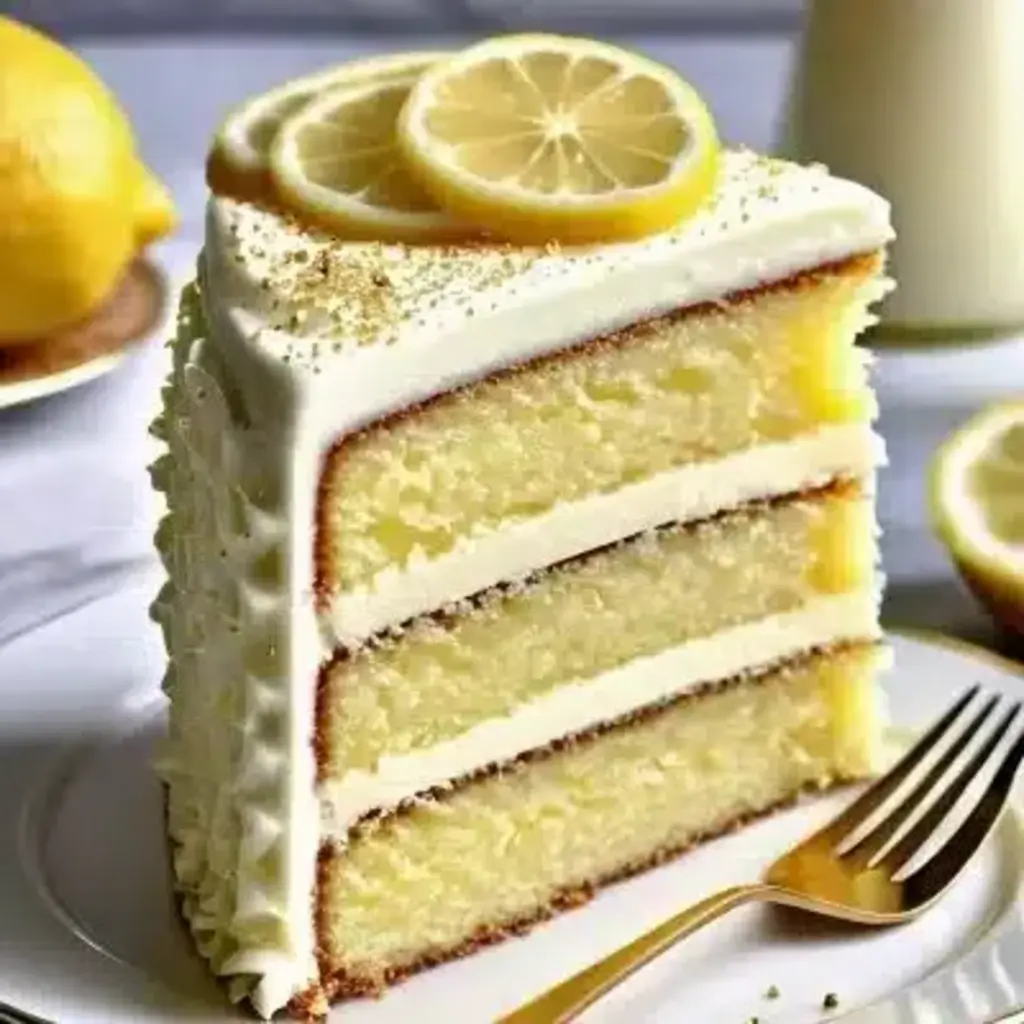
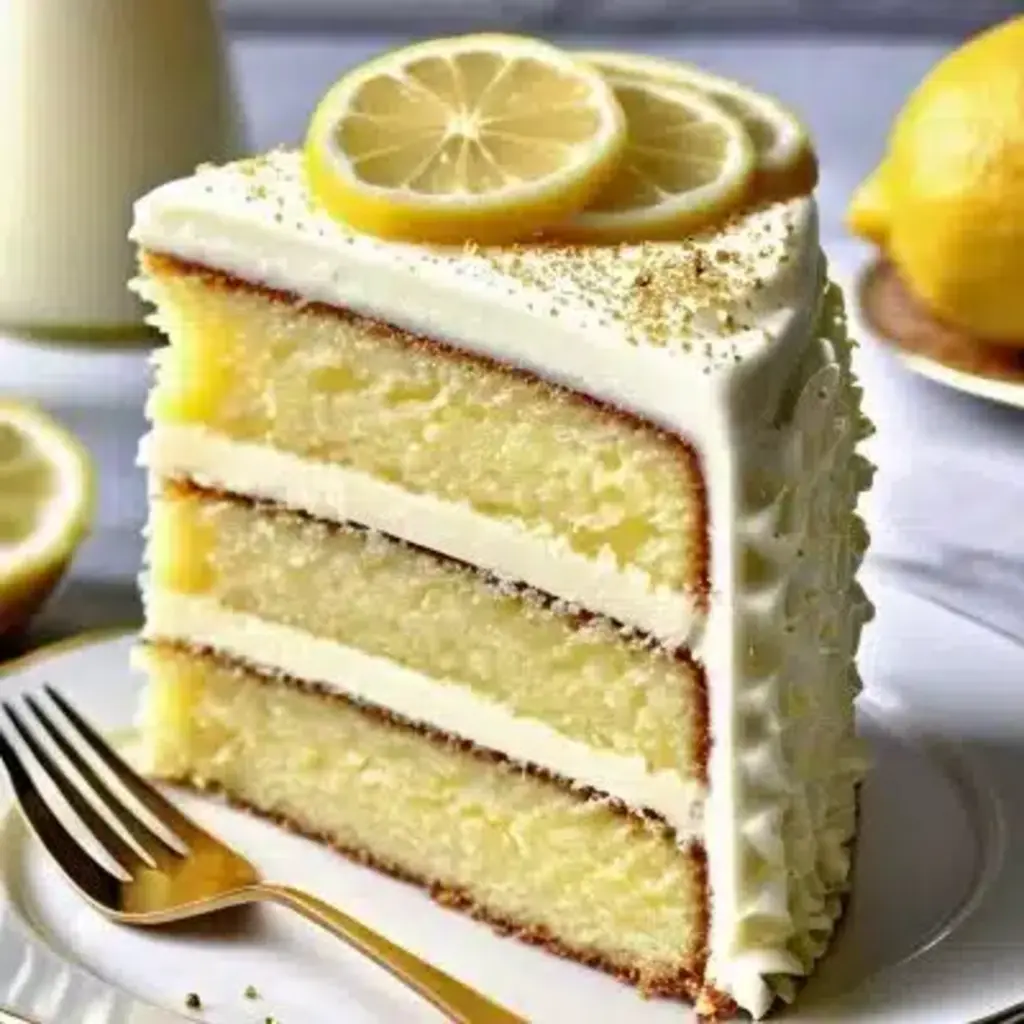
Are you craving a dessert that offers a perfect balance of bright citrus tang and creamy sweetness, a cake so tender it melts in your mouth? If so, our Lemon Velvet Cake recipe is your answer. This isn’t just any cake; it’s a meticulously crafted delight designed to be a showstopper at any gathering. Imagine a moist, velvety crumb infused with the vibrant essence of fresh lemon, frosted with a luscious, complementary icing. Whether you’re a seasoned baker looking for a new signature dessert or a beginner eager to impress, this recipe demystifies the process, guiding you step-by-step to create a confection that’s as visually stunning as it is delicious. We dive deep into the “why” behind each step, offer insightful tips, and answer those burning questions to ensure your baking journey is smooth and your results are nothing short of spectacular. Get ready to awaken your senses with this zesty sensation!
Ingredients
Crafting the perfect Lemon Velvet Cake relies on quality ingredients, each playing a crucial role in achieving that signature tender crumb and vibrant flavor.
- All-Purpose Flour: 2 ¾ cups (340g). Provides the structure for our cake. For an even finer crumb, consider using cake flour, but all-purpose is readily accessible and yields fantastic results.
- Granulated Sugar: 1 ¾ cups (350g). Sweetens the cake and contributes to its tenderness by hindering gluten development.
- Baking Powder: 2 teaspoons. Our leavening agent, ensuring a good rise and light texture.
- Salt: ½ teaspoon. Enhances all the other flavors and balances the sweetness.
- Unsalted Butter: 1 cup (227g), softened. Crucial for richness and that coveted velvety texture. Ensure it’s at room temperature for proper creaming. Using salted butter? Reduce the added salt slightly.
- Large Eggs: 3, at room temperature. Bind ingredients, add richness, and help with leavening. Room temperature eggs incorporate more easily.
- Vanilla Extract: 2 teaspoons. A classic flavor enhancer that complements lemon beautifully.
- Buttermilk: 1 cup (240ml), at room temperature. Its acidity reacts with baking powder for lift and contributes to a wonderfully moist and tender crumb. If you don’t have buttermilk, you can make a substitute by mixing 1 cup of milk with 1 tablespoon of lemon juice or white vinegar and letting it sit for 5-10 minutes.
- Lemon Zest: Zest of 2-3 large lemons (about 2-3 tablespoons). This is where the magic happens! The zest provides the intense, fragrant lemon flavor without adding extra liquid. Use a microplane for the finest zest.
- Fresh Lemon Juice: ¼ cup (60ml), strained. Adds a bright, tangy kick to balance the sweetness. Freshly squeezed is non-negotiable for the best flavor.
Timing
Compared to average cake recipes that might require 30-40 minutes of prep and up to an hour of baking, this Lemon Velvet Cake is relatively efficient. The prep time is slightly longer due to the zest and juice extraction, but the baking time is standard for a layer cake. The total active time makes it a manageable weeknight bake, while the impressive results feel celebratory.
Step-by-Step Instructions
Step 1: Preheat and Prepare
First things first, let’s get our baking environment ready for success! Preheat your oven to 350°F (175°C). This ensures the oven is at the perfect temperature when your batter is ready, promoting even baking and a good rise. Next, prepare your cake pans. Grease and flour two 8-inch or 9-inch round cake pans. For extra insurance against sticking and to make removal a breeze, you can also line the bottoms with parchment paper circles. This simple step prevents the dreaded cake-stuck-to-the-pan scenario.
Step 2: Whisk Dry Ingredients
In a large bowl, whisk together the all-purpose flour, granulated sugar, baking powder, and salt. Whisking these dry ingredients thoroughly ensures they are evenly distributed. This is crucial for consistent leavening and flavor throughout the cake. It also helps to break up any lumps in the flour, contributing to a smoother batter and a finer cake texture.
Step 3: Cream Butter and Sugar
In a separate, larger bowl (or the bowl of your stand mixer fitted with the paddle attachment), cream together the softened unsalted butter and granulated sugar until light and fluffy. This process, known as creaming, incorporates air into the mixture, which is vital for a tender cake structure. Aim for about 3-5 minutes of beating, until the mixture is pale yellow and visibly aerated. This is the foundation for your cake’s delicate texture.
Step 4: Add Eggs and Vanilla
Add the room temperature eggs one at a time, beating well after each addition until fully incorporated. Don’t rush this step; each egg needs to emulsify into the butter-sugar mixture. Finally, stir in the vanilla extract. This combination adds richness, moisture, and binds everything together.
Step 5: Alternate Wet and Dry Ingredients
Now, we’ll gradually combine the dry ingredients with the wet ingredients, alternating with the buttermilk. Start by adding about one-third of the dry mixture to the butter mixture and mix on low speed until just combined. Then, add half of the buttermilk and mix until just combined. Repeat this process, adding another third of the dry ingredients, then the remaining buttermilk, and finishing with the last third of the dry ingredients. Be careful not to overmix; overmixing can develop gluten, resulting in a tougher cake. Mix only until no dry streaks of flour remain.
Step 6: Incorporate Lemon Zest and Juice
Gently fold in the fresh lemon zest and strained lemon juice. The zest will distribute those tiny flavor powerhouses throughout the batter, while the juice adds that characteristic tangy brightness. Fold until just combined, ensuring you distribute the zest evenly without overworking the batter.
Step 7: Bake the Cake
Divide the batter evenly between the prepared cake pans. Smooth the tops with a spatula. Place the pans in the preheated oven. Bake for 30-35 minutes, or until a wooden skewer or toothpick inserted into the center of the cakes comes out clean. The tops should spring back lightly when touched. The aroma of fresh lemon will fill your kitchen!
Step 8: Cool and Frost
Once baked, let the cakes cool in their pans on a wire rack for about 10-15 minutes. This allows them to set slightly before you attempt to remove them. Then, carefully invert the cakes onto the wire rack to cool completely. Once fully cooled, it’s time for the best part: frosting! A classic cream cheese frosting or a simple lemon buttercream pairs beautifully with this zesty cake.

Nutritional Information
While specific nutritional values can vary based on exact ingredients and portion sizes, a typical slice of this Lemon Velvet Cake (without frosting) is approximately:
- Calories: 280-320 kcal
- Carbohydrates: 40-45g
- Fat: 12-15g
- Protein: 3-5g
- Sugar: 25-30g
Note: Frosting significantly increases these values. For precise information, use a recipe calculator with your specific ingredients.
Healthier Alternatives
Looking to make this delightful cake a bit lighter without sacrificing flavor? Here are a few swaps:
- Reduced Sugar: Reduce the granulated sugar by ¼ cup. The lemon’s tang will help compensate for the sweetness.
- Whole Wheat Pastry Flour: Substitute half of the all-purpose flour with whole wheat pastry flour. This adds fiber and a slightly nuttier flavor while maintaining tenderness.
- Greek Yogurt or Applesauce: For moisture, you can substitute some of the butter with plain Greek yogurt or unsweetened applesauce, though this may alter the texture slightly. A 50/50 ratio with butter is a good starting point.
- Lighter Frosting: Opt for a glaze made with powdered sugar and lemon juice, or a whipped cream frosting.
Serving Suggestions
This Lemon Velvet Cake is delightful on its own, but here are some ways to elevate your serving:
- Fresh Berries: Serve slices with a handful of fresh raspberries, strawberries, or blueberries. The tartness of berries complements the lemon beautifully.
- Whipped Cream: A dollop of lightly sweetened whipped cream is a classic pairing.
- Powdered Sugar Dusting: For a simple yet elegant presentation, dust the top with powdered sugar.
- Lemon Curd Drizzle: A ribbon of extra lemon curd over the top or on the side adds an extra layer of zesty goodness.
- Iced Tea or Coffee: Perfect with a refreshing glass of iced tea or a warm cup of coffee.
Common Mistakes to Avoid
Even the best bakers can encounter tricky spots. Here’s how to steer clear of common pitfalls:
- Overmixing: This is the #1 culprit for tough cakes. Mix wet and dry ingredients only until just combined.
- Using Cold Ingredients: Room temperature butter, eggs, and buttermilk are essential for proper emulsion and a smooth batter.
- Incorrect Oven Temperature: An inaccurately heated oven leads to uneven baking, dry spots, or a sunken cake. Use an oven thermometer if you suspect yours is off.
- Opening the Oven Door Too Soon: Resist the urge to peek constantly! Opening the door causes temperature fluctuations that can make your cake sink. Wait until the minimum baking time has passed.
- Not Zesting Properly: Ensure you’re only zesting the yellow part of the lemon peel; the white pith is bitter. Using a microplane yields the best texture for distributing flavor.
Storing Your Lemon Velvet Cake
To keep your Lemon Velvet Cake tasting fresh and delicious:
- Room Temperature: If unfrosted or frosted with a stable buttercream, it can be stored at room temperature, covered tightly with plastic wrap or in an airtight container, for up to 2-3 days.
- Refrigeration: Cakes frosted with cream cheese or whipped cream frosting should be refrigerated. Store in an airtight container for up to 5 days. Allow the cake to come to room temperature for about 30 minutes before serving for the best texture and flavor.
- Freezing: If unfrosted, wrap individual cake layers tightly in plastic wrap, then in aluminum foil, and freeze for up to 2-3 months. Thaw overnight in the refrigerator.
Frequently Asked Questions
***What makes a cake “velvet”?***
The term “velvet” in baking typically refers to a cake with an exceptionally smooth, soft, and tender crumb, often achieved through a higher fat content (like butter), the use of cake flour, and careful mixing to avoid overdeveloping gluten. The result is a cake that feels luxuriously soft and melts in your mouth.
***Can I use lemon extract instead of fresh lemon juice and zest?***
You can, but it won’t be quite the same. Lemon extract provides a concentrated lemon flavor, but it lacks the nuanced aroma and brightness of fresh zest and juice. If you must use extract, start with 1-2 teaspoons and adjust to taste, but be aware you lose the beautiful fragrance and the subtle tang that fresh ingredients provide.
***My cake has a slightly gummy texture. What went wrong?***
A gummy texture often indicates overmixing, which develops too much gluten, or an incorrect ratio of wet to dry ingredients. Ensure you’re mixing the batter only until just combined, especially after adding the flour. Also, double-check your ingredient measurements, particularly the flour.
***Can I make cupcakes from this recipe?***
Absolutely! This recipe is perfect for cupcakes. Line muffin tins with cupcake liners and fill each about two-thirds full. Bake at 350°F (175°C) for 18-22 minutes, or until a toothpick comes out clean. They’ll be a delightful treat!
***How do I get my cake layers perfectly level?***
After baking and cooling, you can use a long serrated knife to carefully level off any domed tops. Alternatively, consider using cake levelers or even dental floss. This ensures your cake layers stack evenly for a professional-looking finish.
Did you try making this Lemon Velvet Cake? We’d love to hear about your experience in the comments below! Share your tips, variations, or photos of your beautiful creation!
Lemon Velvet Cake Recipe: A Zesty Delight for All

Dive into the zesty world of baking with our Lemon Velvet Cake recipe, a perfect blend of tangy and sweet. This cake promises to be a showstopper at any gathering, with its moist crumb and vibrant flavors. Crafted for both novice and experienced bakers, this recipe guides you through creating a delectable dessert that’s as pleasing to the eye as it is to the palate. Follow along for a detailed recipe, insightful notes, and answers to frequently asked questions, ensuring your baking experience is as delightful as the cake itself.
Ingredients
- Cake:2 1/2 cupsall-purpose flour2 1/2 tspbaking powder1/2 tspsalt1 cupunsalted butter, softened2 cupsgranulated sugar4large eggs1 tspvanilla extract1 cupbuttermilkZest of4lemons1/4 cupfresh lemon juice
- 2 1/2 cupsall-purpose flour
- 2 1/2 tspbaking powder
- 1/2 tspsalt
- 1 cupunsalted butter, softened
- 2 cupsgranulated sugar
- 4large eggs
- 1 tspvanilla extract
- 1 cupbuttermilk
- Zest of4lemons
- 1/4 cupfresh lemon juice
- Lemon Buttercream:1 cupunsalted butter, softened4 cupspowdered sugar2 tbspfresh lemon juice1 tsplemon zest
- 1 cupunsalted butter, softened
- 4 cupspowdered sugar
- 2 tbspfresh lemon juice
- 1 tsplemon zest
- Lemon Curd:3/4 cupfresh lemon juice2 tsplemon zest2/3 cupgranulated sugar3eggs4 tbspunsalted butter
- 3/4 cupfresh lemon juice
- 2 tsplemon zest
- 2/3 cupgranulated sugar
- 3eggs
- 4 tbspunsalted butter
Instructions
- Preparation:Preheat your oven to 350°F (177°C). Grease and flour three 8-inch cake pans.
- Cake Batter:Sift together the flour, baking powder, and salt. In a large bowl, cream the butter and sugar until light. Beat in eggs one at a time, then add vanilla, lemon zest, and juice. Alternate adding the flour mixture and buttermilk, beginning and ending with flour.
- Baking:Divide the batter among the pans. Bake for 25-30 minutes. Let cool in pans for 10 minutes, then transfer to a wire rack.
- Lemon Curd:Combine lemon juice, zest, sugar, and eggs in a saucepan over medium heat, stirring until thickened. Remove from heat; add butter.
- Buttercream:Beat butter until creamy. Gradually add powdered sugar, lemon juice, and zest.
- Assembly:Layer cake with curd and frost with buttercream. Decorate as desired.
Notes
Lemon Zest:Use a fine grater for the zest to avoid bitter pith.
Buttermilk Substitute:If you don’t have buttermilk, mix 1 cup of milk with 1 tablespoon of lemon juice or vinegar.
Storage:Store in an airtight container. Refrigerate for longer freshness.
Serving Suggestion:Serve with fresh berries or a dollop of whipped cream for an extra touch of elegance.
“`