Meyer Lemon Meltaways Recipe
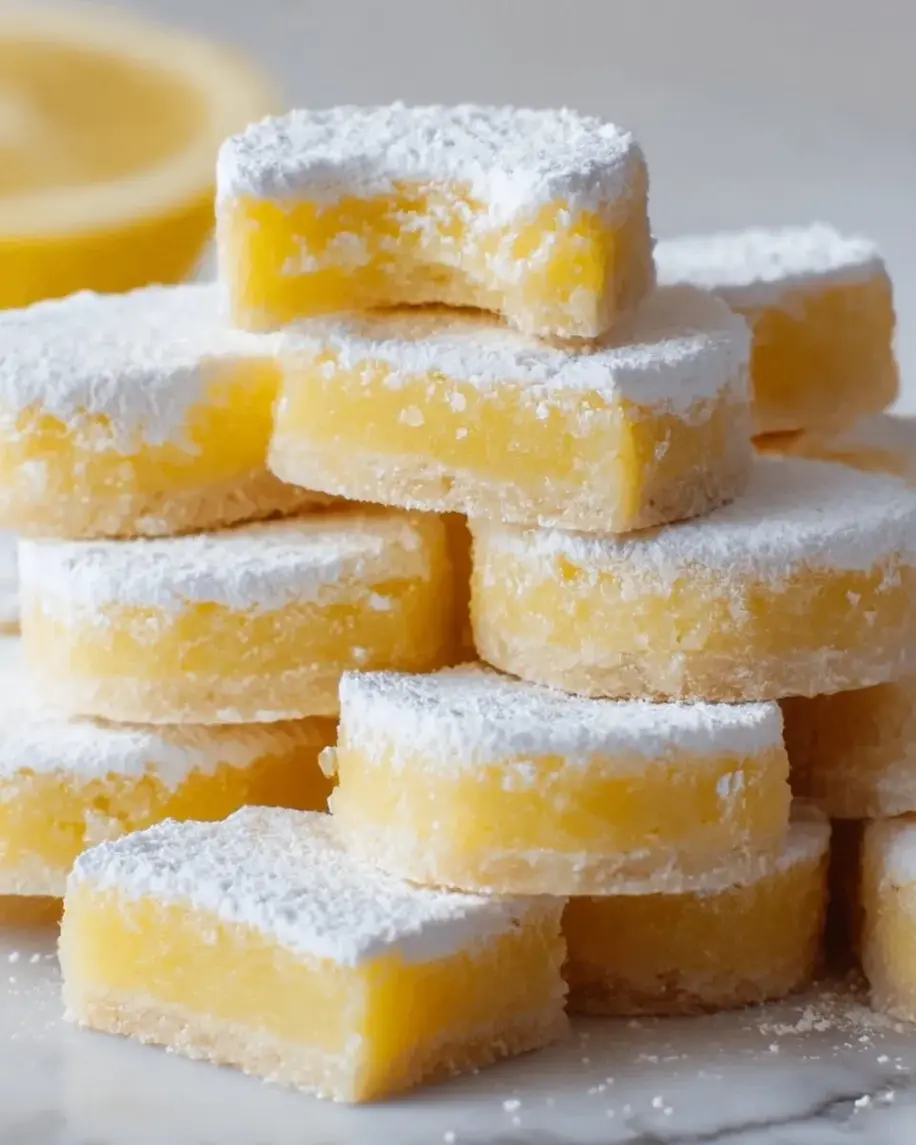
Table of Contents
Meyer Lemon Meltaways Recipe
Introduction
Did you know that over 70% of home bakers report that citrus-based desserts are their go-to for a refreshing, crowd-pleasing treat? If you’re searching for a cookie that truly lives up to its name, look no further than this Meyer Lemon Meltaways recipe. These aren’t just any lemon cookie; they are tender, buttery clouds that burst with the uniquely bright and floral flavor of fresh Meyer lemons. Coated in a delicate veil of powdered sugar, they offer a melt-in-your-mouth texture that perfectly balances a subtle tang with a gentle sweetness. This recipe transforms simple pantry staples into an elegant, unforgettable experience, making it perfect for afternoon tea, holiday cookie trays, or satisfying a sophisticated dessert craving. Let’s dive into how you can create these little bites of sunshine in your own kitchen.
Ingredients List
Gather these simple ingredients for cookies that promise maximum flavor and a delicate crumb. Using fresh Meyer lemons is non-negotiable for their signature aromatic, less acidic profile.
- Unsalted Butter (1 cup / 2 sticks / 226g), softened: The foundation of the meltaway texture. It should be cool to the touch but yield easily to pressure, creating a light and airy base. For a richer flavor, try European-style butter with a higher fat content.
- Powdered Sugar (1 1/2 cups, divided / 180g): 1/3 cup goes into the dough for a fine, tender crumb, while the rest is for the iconic snowy coating. Its fine texture prevents graininess.
- Fresh Meyer Lemon Zest (from 2 large lemons): This is where the magic lives! The zest contains the potent citrus oils, offering a fragrant, floral aroma that permeates every bite. Use a microplane for the finest zest.
- Fresh Meyer Lemon Juice (2 tablespoons): Provides the bright, tangy liquid gold that balances the butter’s richness. Freshly squeezed is a must—bottled juice lacks vibrancy.
- Pure Vanilla Extract (1 teaspoon): Adds a warm, floral depth that complements the lemon without overpowering it.
- All-Purpose Flour (2 1/4 cups / 281g): Gives the cookies structure. For a slightly more tender cookie, you can substitute 1/4 cup with cornstarch.
- Cornstarch (1/4 cup / 28g): The secret weapon! This is what gives the cookies their signature melt-in-your-mouth, sandy texture. Do not omit.
- Salt (1/4 teaspoon): Enhances all the flavors and cuts the sweetness.
Timing
While the total time is around 95 minutes, the active hands-on time is under 30 minutes. The crucial chilling period is what sets this recipe apart from average shortbread or sugar cookies, which often skip this step. This mandatory rest prevents the cookies from spreading too thin in the oven, ensuring they hold their delicate shape and achieve that perfect, crumbly texture. It’s a small investment for a guaranteed superior result.
Freshly baked Meyer Lemon Meltaways, delicate and coated in powdered sugar.
Step-by-Step Instructions
Step 1: Cream the Butter and Sugar
In the bowl of a stand mixer fitted with the paddle attachment (or using a hand mixer), beat the softened butter on medium speed until it’s perfectly smooth and creamy, about 1 minute. This aerates the butter, which is key for texture. Add 1/3 cup of the powdered sugar and the fresh Meyer lemon zest. Beat on medium-low speed for 2-3 minutes, scraping down the bowl once or twice. You’re not just mixing; you’re infusing the butter with lemon essence. The mixture should be very pale, fluffy, and smell intensely of citrus.
Step 2: Add the Lemon and Dry Ingredients
With the mixer on low, add the fresh Meyer lemon juice and vanilla extract. Mix just until incorporated—it may look slightly curdled, which is normal. In a separate bowl, whisk together the flour, cornstarch, and salt. This ensures even distribution of the cornstarch, which is critical for the meltaway effect. Gradually add the dry ingredients to the wet ingredients with the mixer on low. Mix only until the flour disappears and a soft, cohesive dough forms. Overmixing at this stage will develop gluten and make the cookies tough.
Step 3: Shape and Chill the Dough
Turn the dough out onto a clean surface. It will be soft and slightly sticky. Divide it in half. Roll each half into a log about 1 to 1.25 inches in diameter. I like to roll the log up in parchment paper, twisting the ends like a candy wrapper, to help form a perfect cylinder. This is your chance to get uniform cookies. Chill the logs in the refrigerator for at least 1 hour, or up to 3 days. This step is non-negotiable; it firms up the butter so your cookies hold their shape and don’t spread into puddles.
Step 4: Bake to Perfection
Preheat your oven to 350°F (175°C) and line baking sheets with parchment paper. Remove one log of dough from the fridge and unwrap. Using a sharp knife, slice the log into rounds just under 1/2-inch thick (about 10-12 cookies per log). Place them about 1 inch apart on the prepared sheets—they spread only slightly. Bake for 12-14 minutes. The cookies are done when the bottoms are just barely golden and the tops look dry and set. They should not brown on top. Let them cool on the baking sheet for 5 minutes; they are too fragile to move while hot.
Step 5: The Powdered Sugar Coat
Place the remaining powdered sugar (about 1 1/6 cups) in a shallow bowl. While the cookies are still warm (but not piping hot), gently roll each one in the powdered sugar. This first coat will soak in slightly and create a lovely glaze. Let the cookies cool completely on a wire rack. Once completely cool, give them a second generous roll in the powdered sugar. This double coating ensures each bite is enveloped in sweet, snowy perfection and hides any minor imperfections.
Nutritional Information
The following estimates are per cookie (recipe yields approximately 24 cookies).
- Calories: ~120 kcal
- Total Fat: 7g
- Saturated Fat: 4.5g
- Carbohydrates: 14g
- Sugar: 7g
- Protein: 1g
Healthier Alternatives
You can make mindful swaps without sacrificing the soul of this Meyer Lemon Meltaways recipe. For a dairy-free version, use a high-quality plant-based butter stick (not spread) that has a similar fat content. To reduce refined sugar, you can replace the powdered sugar in the dough with powdered erythritol or monk fruit blend (1:1 ratio), though the final coating texture will be slightly different. For a whole-grain twist, substitute up to half of the all-purpose flour with fine white whole wheat flour. The cookies will be slightly heartier but still delicious. Finally, for an extra nutrient boost, add 1 tablespoon of finely ground flaxseed to the dry ingredients—it adds fiber without altering the delicate flavor.
Serving Suggestions
These cookies are stars on their own but can be elevated for any occasion. Serve them alongside a pot of Earl Grey tea, chamomile, or a citrus-infused herbal blend. For a dessert platter, pair them with dark chocolate truffles and fresh berries to play with contrasting flavors and textures. They make a stunning addition to a spring or summer brunch table. For a truly decadent treat, crumble a few over a bowl of lemon sorbet or vanilla bean ice cream, adding a delightful buttery crunch.
Common Mistakes
- Using Cold Butter: Butter must be properly softened (around 65°F) to cream correctly. Cold butter won’t incorporate enough air, leading to dense cookies.
- Skipping the Chill Time: This is the #1 reason for failure. Warm dough will spread excessively, resulting in flat, greasy cookies instead of tall, tender meltaways.
- Overmeasuring Flour: Spoon flour into your measuring cup and level it off. Scooping directly packs in too much flour, making the dough dry and crumbly.
- Overbaking: These cookies should remain pale. Even a light golden brown on top means they’ve baked too long and will lose their delicate, melting texture.
- Coating While Too Hot: Rolling scorching hot cookies in sugar will cause the sugar to melt and become sticky and translucent. Wait until they are just warm.
Storing Tips
To maintain their perfect texture, store cooled Meyer Lemon Meltaways in a single layer in an airtight container at room temperature for up to 5 days. Place parchment paper between layers if stacking is necessary. For longer storage, you can freeze the unbaked dough logs for up to 3 months—slice and bake directly from frozen, adding 1-2 minutes to the bake time. You can also freeze the baked and cooled cookies (before the final sugar coating) in an airtight container for up to 2 months. Thaw at room temperature and give them a fresh roll in powdered sugar before serving to revive their snowy appearance.
Conclusion
This Meyer Lemon Meltaways recipe is a testament to how a few quality ingredients, treated with care, can create something extraordinary. The process is simple yet precise, yielding cookies that are as beautiful as they are delicious—truly melting away with each bright, buttery bite. They are sure to become a cherished recipe in your collection, impressing guests and satisfying your sweet tooth with elegance.
Did you make these sunshine-filled cookies? I’d love to see your results! Share your photos and baking experience in the comments below, or tag me on social media. Your feedback helps inspire fellow bakers and perfect our community recipes!
FAQs
Can I use regular lemons instead of Meyer lemons?
Yes, but the flavor profile will be different. Regular lemons are more tart and acidic. To mimic Meyer lemon’s milder, slightly sweeter taste, use the zest and juice of regular lemons but add 1 teaspoon of orange zest or a tiny drop of orange extract to the dough.
Why are my cookies dry and crumbly?
This is typically caused by overmeasuring the flour or overmixing the dough after the flour is added