Meyer Lemon Meltaways Recipe
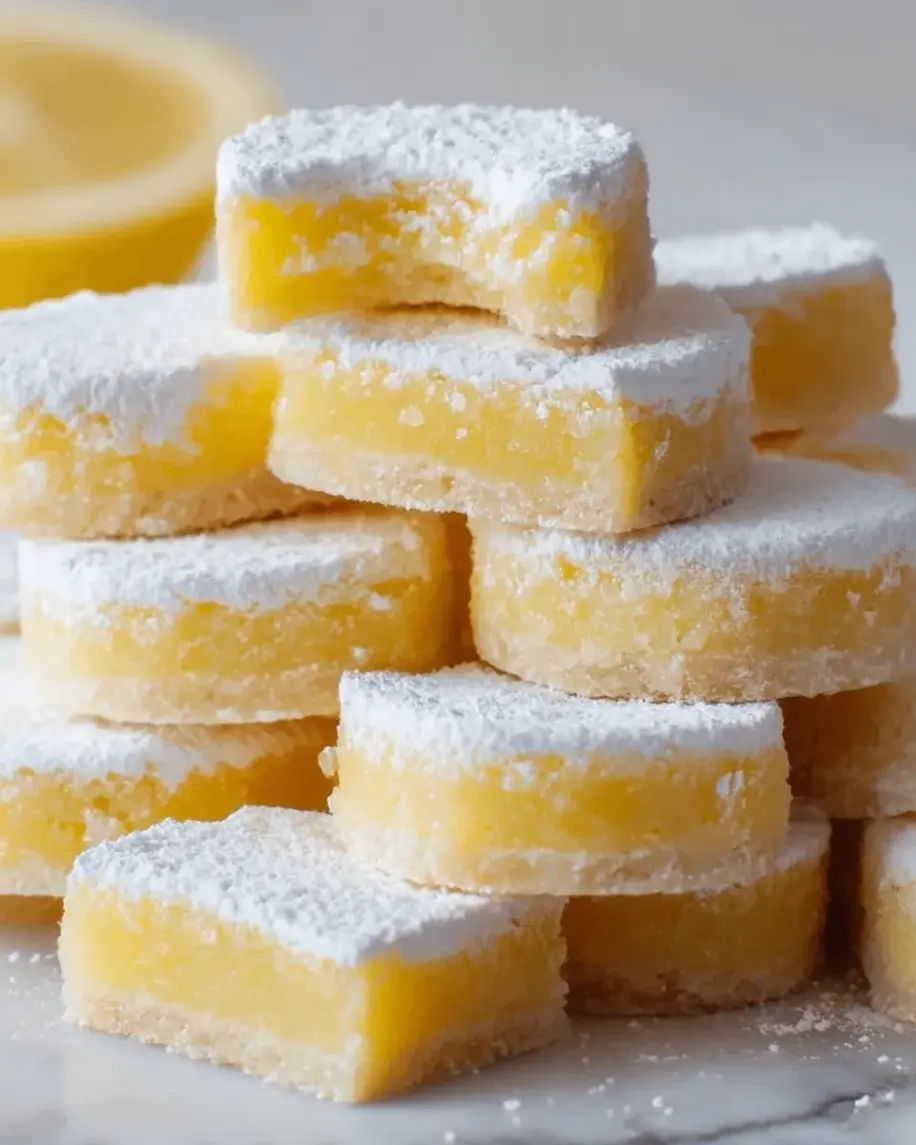
Table of Contents
Meyer Lemon Meltaways Recipe
Introduction
Did you know that over 70% of home bakers report that citrus-based desserts are their go-to for a refreshing treat? If you’re searching for a cookie that truly lives up to its name, look no further than these Meyer Lemon Meltaways. These tender, buttery cookies are a burst of sunshine in every bite, offering a perfect balance of delicate sweetness and bright, aromatic citrus. Unlike the dense texture of a classic shortbread, a true meltaway should dissolve on your tongue, leaving behind a whisper of flavor. This recipe is engineered to achieve that sublime, melt-in-your-mouth texture while maximizing the unique, floral-citrus notes of the Meyer lemon. Let’s dive into how you can create these irresistible, powdered-sugar-dusted gems that are sure to become a staple in your dessert repertoire.
Ingredients List
Gathering high-quality ingredients is the first secret to perfect meltaways. Here’s what you’ll need for about 3 dozen cookies:
- Unsalted Butter (1 cup / 226g), softened: The foundation of the melt-in-your-mouth texture. Use high-fat, European-style butter if possible for unparalleled richness and flavor. It should be cool to the touch but yield easily to pressure.
- Powdered Sugar (1 ½ cups / 180g), divided: ½ cup goes into the dough for a fine, tender crumb; 1 cup is reserved for the final, snowy coating. The fine texture prevents graininess.
- Fresh Meyer Lemon Zest (from 2 large lemons): This is where the magic lives! Meyer lemon zest is less acidic and more floral than regular lemon zest, providing a complex, aromatic citrus perfume.
- Fresh Meyer Lemon Juice (2 tablespoons): Use the juice from the zested lemons. Its subtle tang cuts through the butter’s richness, creating a beautifully balanced flavor profile.
- Pure Vanilla Extract (1 teaspoon): A supporting actor that rounds out the citrus notes and adds a layer of warm, comforting sweetness.
- All-Purpose Flour (2 ¼ cups / 270g): Spooned and leveled to avoid a dense cookie. It provides the necessary structure without developing too much gluten.
- Cornstarch (¼ cup / 30g): The secret weapon! Cornstarch is crucial for achieving the signature tender, delicate, and “meltaway” texture. It inhibits gluten formation and lightens the crumb.
- Salt (¼ teaspoon): A must to heighten all the other flavors and prevent the cookies from tasting flat.
Substitutions & Notes: No Meyer lemons? Use a mix of regular lemon zest/juice and a tiny drop of orange extract or mandarin zest to mimic the floral sweetness. For a gluten-free version, use a 1:1 gluten-free flour blend and ensure it contains xanthan gum. Vegan butter can be used, but opt for a high-fat, stick-style brand for best results.
Timing
While the total time is around 1 hour and 40 minutes, the active hands-on time is under 30 minutes. The mandatory chilling time (1 hour) is non-negotiable for shape and texture but is mostly hands-off. Compared to many cookie recipes that require multiple trays and longer bake times, this recipe is efficient. The dough can also be made up to 3 days in advance and stored in the fridge, or frozen for a month, making it perfect for planning ahead for holidays or spontaneous tea parties.
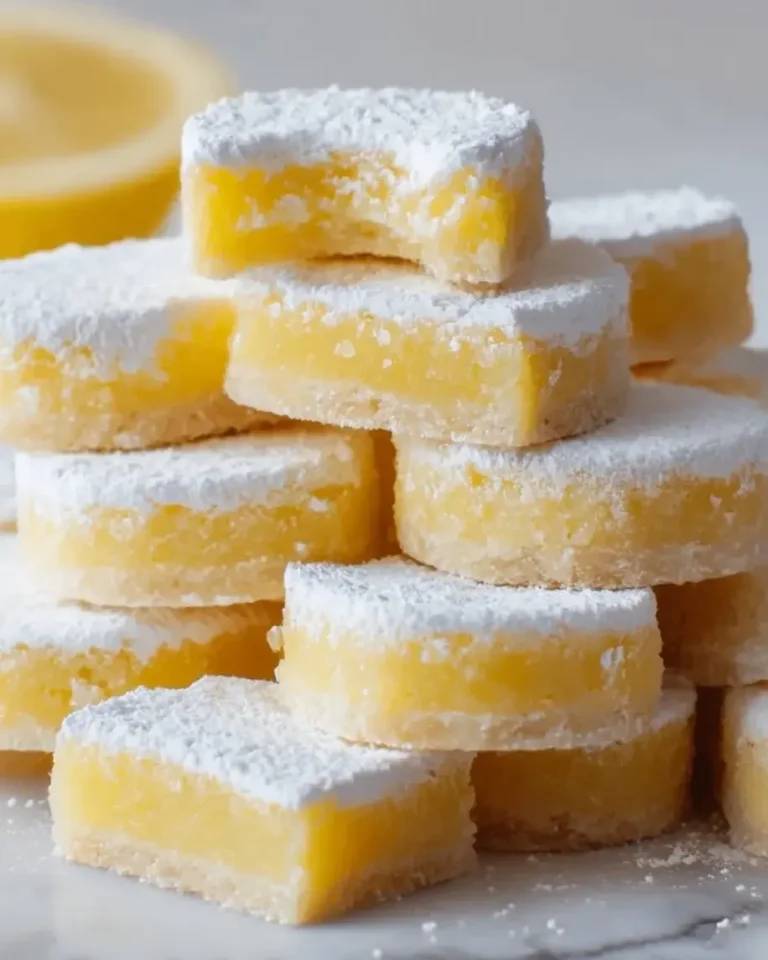
Freshly baked Meyer Lemon Meltaways, delicate and coated in a blizzard of powdered sugar.
Step-by-Step Instructions
Step 1: Cream the Butter and Sugar
In the bowl of a stand mixer fitted with the paddle attachment (or using a hand mixer), beat the softened butter on medium speed until it’s perfectly smooth and creamy, about 1 minute. This aerates the butter, which is key for a light texture. Add ½ cup of the powdered sugar and the fresh Meyer lemon zest. Beat on medium-low speed for 2-3 minutes. You’re not just mixing; you’re infusing the butter with the citrus oils from the zest. The mixture should become very pale, fluffy, and smell intensely lemony. Scrape down the bowl to ensure everything is incorporated.
Step 2: Add the Lemon and Dry Ingredients
With the mixer on low, add the fresh Meyer lemon juice and vanilla extract. The mixture may look slightly curdled—this is normal due to the liquid hitting the fat. In a separate bowl, whisk together the flour, cornstarch, and salt. Gradually add the dry ingredients to the butter mixture with the mixer on low speed. Mix just until the flour disappears and a soft dough forms. Overmixing at this stage will develop gluten and lead to tough cookies. The dough will be soft and slightly sticky, which is perfect.
Step 3: Shape and Chill the Dough
Turn the dough out onto a lightly floured surface. Divide it in half. With lightly floured hands, roll each half into a log about 1 to 1.5 inches in diameter. The goal is a uniform cylinder so your cookies bake evenly. Wrap each log tightly in plastic wrap. This is critical: refrigerate the logs for at least 1 hour, or until firm. This chills the butter, preventing the cookies from spreading into puddles in the oven and making the logs easy to slice.
Step 4: Bake to Perfection
Preheat your oven to 350°F (175°C). Line baking sheets with parchment paper. Unwrap one chilled dough log and use a sharp knife to slice it into ¼-inch thick rounds. Place the rounds about 1 inch apart on the prepared sheets—they spread only slightly. Bake for 12-14 minutes. The cookies are done when the bottoms are just barely beginning to turn a light golden brown, and the tops still look pale and matte. They will feel soft if touched, but will firm up as they cool. Do not overbake!
Step 5: The Powdered Sugar Coat
Let the cookies cool on the baking sheet for exactly 5 minutes. They need to be warm but not hot for the sugar to adhere properly. Place the remaining 1 cup of powdered sugar in a shallow bowl. Gently roll each warm cookie in the sugar to coat completely. Transfer the sugared cookies to a wire rack to cool completely. Once fully cool, give them a second roll in the powdered sugar. This double coating creates that iconic, snowy appearance and ensures every bite has that delicate sweetness.
Nutritional Information
The following is an approximate nutritional breakdown per cookie (based on a yield of 36 cookies).
Please note: These values are estimates calculated using standard ingredient databases. Variations will occur based on specific brands and precise measurements.
Healthier Alternatives
You can make mindful tweaks to this recipe without sacrificing the melt-in-your-mouth experience:
- Butter: Substitute half the butter with full-fat Greek yogurt or coconut oil (solid state). The texture will be slightly cakier but still tender.
- Sugar: For the dough, you can replace the powdered sugar with a powdered erythritol/monk fruit blend designed for baking. For the coating, a light dusting of the same blend works, though it won’t stick as lavishly as powdered sugar.
- Flour: Use white whole wheat flour or a whole wheat pastry flour for half of the all-purpose flour to add a hint of fiber and a nutty note.
- Boost Nutrition: Add 1-2 tablespoons of ground flaxseed or chia seeds to the dry ingredients for omega-3s and fiber. The citrus flavor is strong enough to mask it.
Serving Suggestions
Meyer Lemon Meltaways are versatile. Serve them as the star of an afternoon tea spread alongside Earl Grey or a floral herbal tea like chamomile. For a dessert platter, pair them with dark chocolate-dipped strawberries or raspberry thumbprint cookies for a beautiful contrast in colors and flavors. They also make an elegant finish to a spring or summer meal—think grilled salmon or a light pasta salad. Crumble them over lemon sorbet or vanilla bean ice cream for an instant, sophisticated topping.
Common Mistakes
- Using Melted or Too-Warm Butter: This is the #1 reason for flat, greasy cookies. Your butter must be softened but still cool. It should hold a fingerprint when pressed.
- Skipping the Chill Time: Impatient bakers, beware! Without chilling, the logs are impossible to slice neatly, and the cookies will spread excessively, losing their delicate shape.
- Overmixing the Dough: Once the flour is added, mix only until combined. Overworking develops gluten, leading to a tough, shortbread-like texture instead of a meltaway.
- Overbaking: These cookies bake on the pale side. If the tops are golden, they are overdone and will be crunchy, not tender. Trust the timing and look for the pale matte finish.
- Coating When Too Hot or Too Cold: Rolling in sugar when the cookies are straight out of the oven melts the sugar into a glaze. Waiting until they’re cold means the sugar won’t stick. The 5-minute warm window is perfect.
Storing Tips
To maintain their divine texture, store completely cooled cookies in a single layer in an airtight container at room temperature for up to 5 days. Place parchment paper between layers if stacking is necessary. The powdered sugar coating will gradually be absorbed—a light re-dusting before serving can refresh their look. For longer storage, the unbaked dough logs can be frozen for up to 3 months. Slice and bake directly from frozen, adding 1-2 minutes to the bake time. Baked cookies can also be frozen in an airtight container for up to 2 months; thaw at room temperature.
Conclusion
Mastering the Meyer Lemon Meltaway is a rewarding baking achievement. This recipe delivers on its promise: a cookie that truly dissolves on your tongue in a cloud of buttery, citrusy bliss. By following the detailed steps—especially the creaming and chilling—you’ll produce a batch of cookies that are as beautiful as they are delicious. They are the perfect homemade gift, party favor, or personal treat to brighten any day.
Did you make this recipe? I’