Poor Man’s Prime Rib Recipe
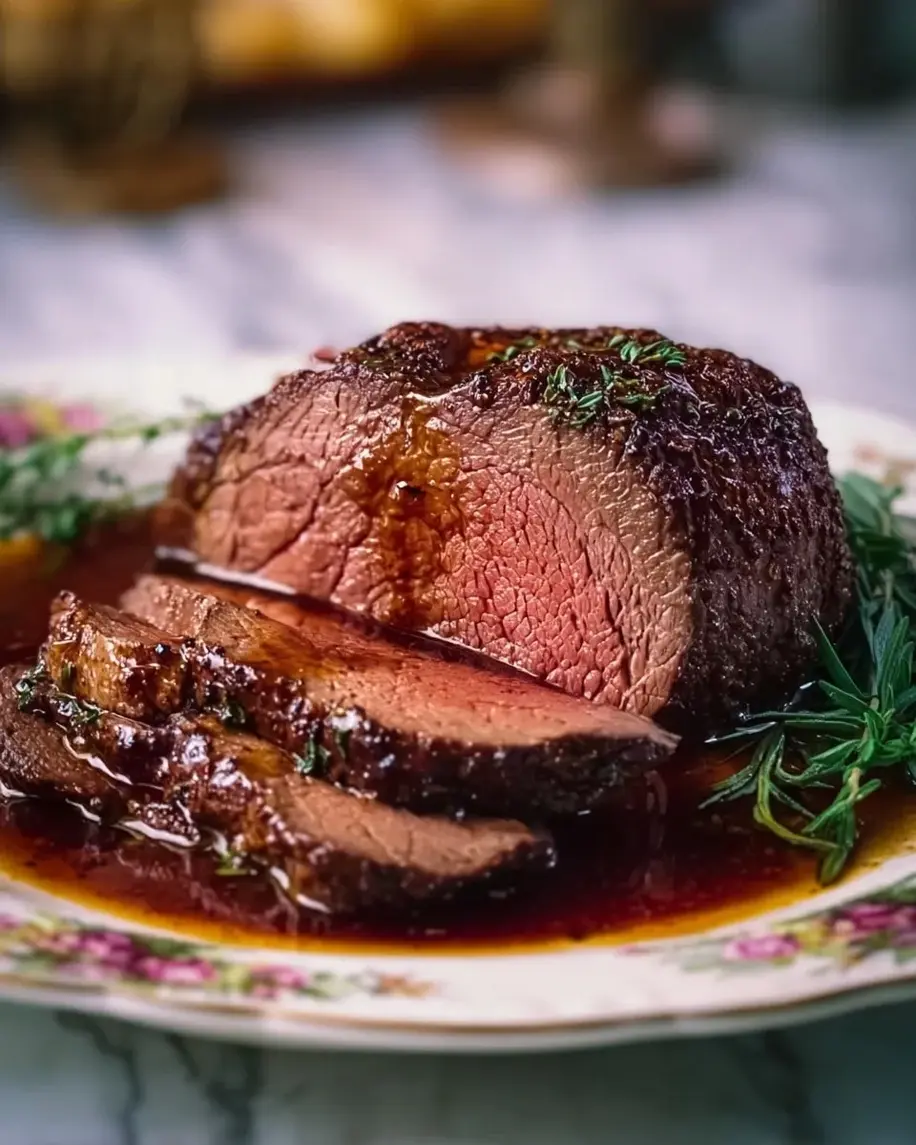
Table of Contents
Poor Man’s Prime Rib Recipe
Introduction
Did you know that the average cost of a USDA Choice prime rib roast can exceed $17 per pound, making a special occasion dinner a significant investment? What if you could achieve that same tender, juicy, and impressively crusted experience for a fraction of the price? This Poor Man’s Prime Rib recipe is your answer. Using a humble beef eye of round roast—often priced under $6 per pound—this method unlocks incredible flavor and texture through a clever cooking technique. By roasting briefly at a searing high temperature and then allowing the residual heat of a cooling oven to slow-cook the meat, you transform an economical cut into a centerpiece-worthy masterpiece. It’s the secret to hosting an impressive holiday meal or Sunday dinner without the prime rib price tag, proving that savvy cooking can be just as rewarding as a hefty grocery bill.
Ingredients List
Gathering simple, high-quality ingredients is key to maximizing flavor. Here’s what you’ll need for this budget-friendly feast:
- 1 (3 to 4 pound) beef eye of round roast – The star of the show. Look for a roast with even marbling and a bright red color. It’s a lean cut, so the technique does the tenderizing.
- 2 tablespoons olive oil or avocado oil – A high-smoke point oil is crucial for creating that initial sear without burning.
- 4 cloves garlic, minced – For aromatic, savory depth. Substitution: 1 teaspoon garlic powder in a pinch.
- 1 tablespoon fresh rosemary, finely chopped – Its piney, fragrant notes are classic with beef. Substitution: 1 teaspoon dried rosemary, or use fresh thyme.
- 1 tablespoon fresh thyme leaves – Adds an earthy, slightly floral layer.
- 2 teaspoons kosher salt – Don’t skimp! Salt is essential for drawing out flavors and creating a delicious crust.
- 1 teaspoon freshly cracked black pepper – For a sharp, pungent kick that complements the rich beef.
- 1 teaspoon onion powder – Provides a sweet, allium backbone without the texture of fresh onion.
- 1/2 teaspoon smoked paprika (optional) – Introduces a subtle smokiness and beautiful red hue to the crust.
Timing
Compared to traditional prime rib recipes that can require 4-5 hours of active roasting and monitoring, this method is remarkably efficient. The active prep time is under 15 minutes. The magic happens during the long, slow cook in the cooling oven, which requires no attention from you. This makes it perfect for timing with side dishes or for a stress-free hosting experience where you’re not tied to the oven.
A beautifully crusted Poor Man’s Prime Rib, resting before carving to seal in all its juicy goodness.
Step-by-Step Instructions
Step 1: Prepare the Roast
Remove the roast from its packaging and place it on a clean cutting board. Pat it thoroughly dry with paper towels. This is a non-negotiable step—moisture is the enemy of a good sear. A dry surface will allow the seasoning to stick and promote maximum browning. Let the roast sit at room temperature for about 30 minutes if time allows; this promotes more even cooking.
Step 2: Create the Flavor Crust
In a small bowl, combine the olive oil, minced garlic, rosemary, thyme, salt, pepper, onion powder, and smoked paprika (if using). Stir until it forms a fragrant paste. Using your hands or a silicone brush, massage this herb paste all over the entire surface of the roast, coating every nook and cranny. Don’t be shy—this paste is the flavor engine for your entire dish. For even deeper flavor, you can do this step up to 24 hours in advance, wrap the roast in plastic, and let it marinate in the refrigerator.
Step 3: The High-Heat Blast
Preheat your oven to a blazing 500°F (260°C). Place the seasoned roast on a rack set inside a roasting pan. The rack is important—it allows hot air to circulate around the entire roast for an even crust. Once the oven is fully preheated, place the roast on a middle rack and set your timer for exactly 5 minutes per pound (so, 15-20 minutes for a 3-4 lb roast). This intense heat will quickly sear the exterior, locking in juices and creating that beautiful, savory crust.
Step 4: The Slow-Cook Rest
Here’s the genius part: DO NOT OPEN THE OVEN DOOR. After the initial high-heat blast, turn the oven OFF. Leave the roast inside the closed, cooling oven for 2 hours. Resist all temptation to peek! The residual heat will gently and slowly cook the roast to a perfect medium-rare doneness without drying it out. This method mimics the precision of a sous-vide cooker, using your oven’s insulation as the tool.
Step 5: Rest and Carve
After the 2 hours are up, carefully remove the roast from the oven. An instant-read thermometer inserted into the thickest part should read between 130-135°F for medium-rare. Transfer the roast to a clean cutting board, tent it loosely with foil, and let it rest for 15-20 minutes. This allows the juices, which have been driven to the center by the heat, to redistribute throughout the entire roast. Finally, using a sharp carving knife, slice the roast against the grain into thin slices for the most tender bite.
Nutritional Information
The following estimates are for a 4-ounce serving of cooked beef eye of round, prepared as described.
- Calories: ~220 kcal
- Total Fat: 10g
- Saturated Fat: 3g
- Protein: 30g
- Carbohydrates: <1g
- Sodium: ~450mg (will vary based on salt used)
Note: Eye of round is one of the leanest beef cuts, making this a relatively high-protein, lower-fat option compared to traditional prime rib.
Healthier Alternatives
Want to lighten this dish up further without sacrificing flavor? Try these simple swaps:
- Reduce Sodium: Cut the kosher salt to 1.5 teaspoons and rely more on the fresh herbs, garlic, and cracked pepper for flavor.
- Oil Swap: Use a heart-healthy avocado oil spray to lightly coat the roast before applying the dry rub, reducing added fat by about half.
- Herb Power: Double the amount of fresh rosemary and thyme. Their potent flavors mean you can use less salt while still having a very flavorful crust.
- Side Dish Strategy: Serve with a mountain of roasted non-starchy vegetables (like asparagus, green beans, or Brussels sprouts) or a large, bright salad to balance the plate.
Serving Suggestions
This roast deserves a supporting cast that complements its rustic elegance. Here are my favorite pairings:
- Creamy Horseradish Sauce: A must-have! Mix sour cream, prepared horseradish, a squeeze of lemon, chives, salt, and pepper.
- Classic Sides: Creamy mashed potatoes, roasted garlic parsnip puree, or crispy duck fat roast potatoes to soak up the juices.
- Vegetable Focus: A medley of roasted root vegetables (carrots, parsnips, turnips) or a simple arugula salad with shaved Parmesan and a lemon vinaigrette cuts the richness perfectly.
- Wine Pairing: A medium-bodied red like a Cabernet Franc, Merlot, or a spicy Zinfandel stands up beautifully to the herb crust and beefy flavor.
Common Mistakes
- Not Drying the Meat: A wet roast will steam instead of sear, resulting in a pale, grey exterior instead of a flavorful crust.
- Opening the Oven Door: Peeking during the slow-cook phase releases crucial heat and can drastically increase cooking time or lead to an undercooked center.
- Skipping the Rest: Carving immediately will cause all those precious juices to run out onto the cutting board, leaving you with drier meat.
- Using a Roast That’s Too Small: This method works best with a roast that’s at least 3 pounds. A very small roast (under 2.5 lbs) may overcook in the residual heat.
- Carving With the Grain: Eye of round has long muscle fibers. Always identify the direction of the grain and slice perpendicularly (against it) for tender slices.
Storing Tips
- Refrigeration: Allow leftovers to cool completely. Store sliced or unsliced roast in an airtight container in the refrigerator for up to 3-4 days.
- Freezing: For longer storage, wrap slices or the whole roast tightly in plastic wrap and then aluminum foil, or use a vacuum sealer. Label and freeze for up to 3 months. Thaw overnight in the refrigerator.
- Reheating: To prevent dryness, reheat slices gently. Place them in a baking dish with a splash of beef broth, cover with foil, and warm in a 300°F oven until heated through. Alternatively, use the slices cold in salads or sandwiches—they’re fantastic!
Conclusion
This Poor Man’s Prime Rib recipe is more than just a budget trick; it’s a masterclass in technique-driven cooking. By understanding how to harness high heat and residual oven warmth, you can elevate an affordable cut of beef into a celebratory dish that will have your guests asking for seconds. It’s proof that a stunning, flavorful, and tender roast doesn’t require a premium price tag—just a little know-how. I hope this recipe becomes a trusted favorite in your kitchen for holidays, Sunday dinners, or any time you crave something special.