Vegetable Jambalaya Recipe
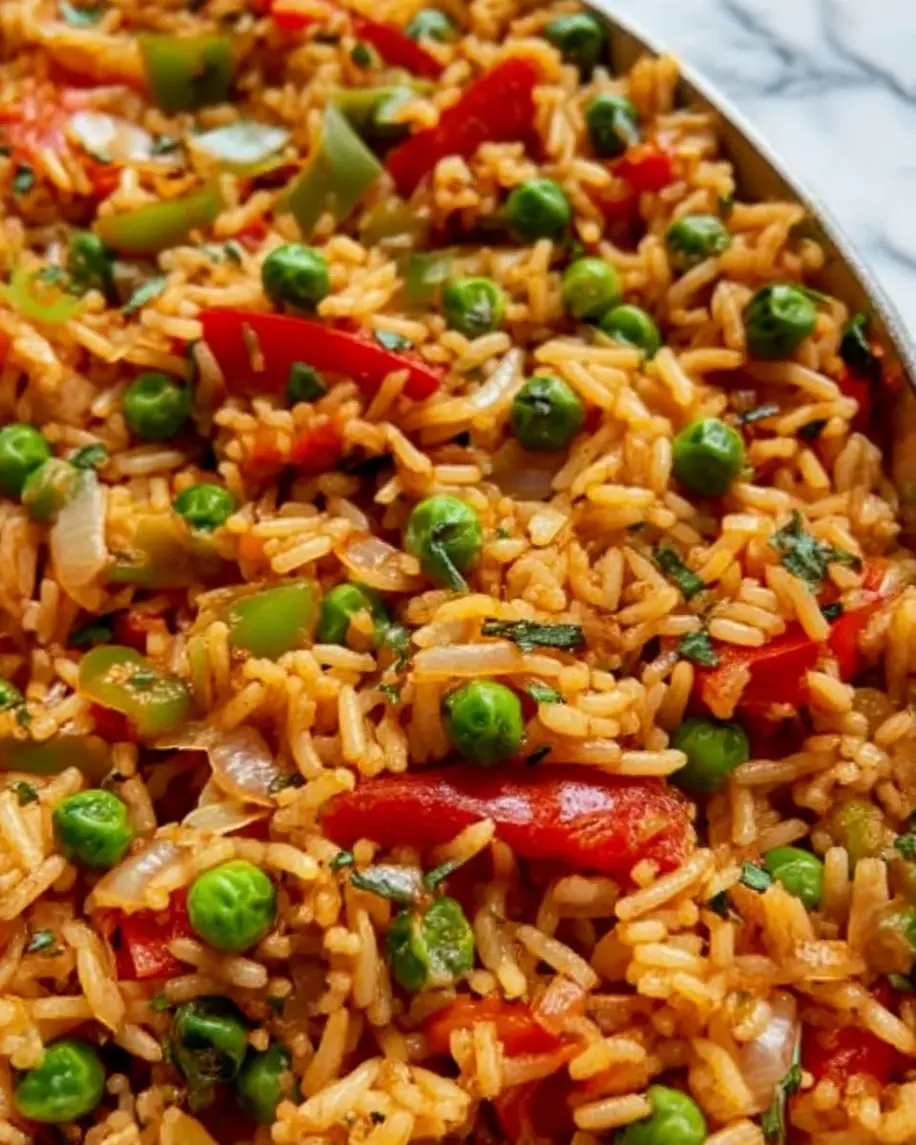
Table of Contents
Vegetable Jambalaya Recipe
Introduction
Did you know that a well-crafted vegetable jambalaya can deliver over 10 grams of fiber per serving, significantly boosting your daily intake? This Vegetable Jambalaya is not just a meal; it’s a vibrant, one-pot celebration of flavor and nutrition. Perfect for a hearty vegetarian dinner, it masterfully combines the smoky warmth of paprika with the fresh, crisp textures of bell peppers and zucchini, all simmered in a savory tomato base. Whether you’re looking for a comforting weeknight dinner or a show-stopping dish for guests, this recipe promises a symphony of taste that will make you forget it’s entirely plant-based. Let’s dive into how you can bring this Creole-inspired classic to your table.
Ingredients List
Gather these fresh and pantry staples for a truly authentic jambalaya experience. Each ingredient plays a crucial role in building the dish’s signature depth.
- 2 tablespoons olive oil – For sautéing; provides a rich, fruity base.
- 1 large yellow onion, diced – The aromatic foundation, offering sweet, caramelized notes.
- 1 large green bell pepper, diced – Adds a crisp, slightly bitter counterpoint and vibrant color.
- 1 large red bell pepper, diced – Brings sweetness and a beautiful red hue.
- 3 celery stalks, diced – Essential for the “Holy Trinity” of Creole cooking, providing earthy flavor.
- 4 garlic cloves, minced – For that unmistakable, pungent kick.
- 1 medium zucchini, diced – Adds a tender, slightly sweet texture that soaks up the sauce.
- 1 cup long-grain white rice – The classic choice for absorbing all the flavorful broth. Substitute: Brown rice for more fiber (adjust liquid and cooking time).
- 1 (14.5 oz) can diced tomatoes, undrained – Creates the savory, slightly acidic base of the sauce.
- 2 cups vegetable broth – Infuses the rice with deep, savory flavor. Use low-sodium to control salt.
- 1 tablespoon smoked paprika – The star spice, delivering that essential smoky warmth.
- 1 teaspoon dried thyme – Adds a subtle, woodsy aroma.
- 1 teaspoon dried oregano – Brings a hint of Mediterranean earthiness.
- 1/2 teaspoon cayenne pepper (or to taste) – For heat. Adjust based on your spice tolerance.
- 1 bay leaf – Infuses a subtle, complex fragrance.
- Salt and black pepper to taste
- Optional Add-ins:
- 1 (15 oz) can kidney beans, rinsed and drained – For added protein and a creamy, hearty texture.
- 1 cup sliced okra (fresh or frozen) – A traditional Southern addition that thickens the stew and offers a unique, slightly sticky texture.
Timing
This one-pot wonder is designed for efficiency. While the total time is under an hour, the hands-on prep is minimal, letting the stove do most of the work—a significant advantage over multi-pot recipes that can take much longer to clean up.
15 minutes
35-40 minutes
50-55 minutes
Compared to the average jambalaya recipe that might involve pre-cooking proteins, this vegetarian version shaves off at least 15-20 minutes of active cooking time, making it a true weeknight champion.
A vibrant, hearty pot of Vegetable Jambalaya, simmering with color and flavor.
Step-by-Step Instructions
Step 1: Prep the Vegetables
Take a moment to dice your onion, bell peppers, celery, and zucchini into uniform, bite-sized pieces. Mince the garlic. Having your “mise en place” ready makes the cooking process smooth and enjoyable. If using okra, slice it into 1/2-inch rounds. This prep is your foundation for a perfectly textured jambalaya.
Step 2: Build the Flavor Base
In a large, heavy-bottomed pot or Dutch oven, heat the olive oil over medium heat. Add the diced onion, bell peppers, and celery—the “Holy Trinity.” Sauté for 6-8 minutes, stirring occasionally, until the vegetables soften and the onions become translucent. You’ll smell their sweet, aromatic fragrance filling your kitchen. Now, stir in the minced garlic and cook for just one more minute until fragrant; be careful not to let it burn.
Step 3: Cook the Sauce
Add the diced zucchini (and okra, if using) to the pot. Stir and cook for another 2-3 minutes. Then, pour in the entire can of diced tomatoes with their juices. Sprinkle in the smoked paprika, thyme, oregano, cayenne, bay leaf, salt, and pepper. Stir everything together, letting the spices toast for about a minute. You’ll see the vibrant red from the paprika bloom and coat the vegetables—this is where the magic starts.
Step 4: Add Rice and Simmer
Add the uncooked rice to the pot and stir to coat each grain in the spiced vegetable mixture. This toasting step helps prevent the rice from becoming mushy. Pour in the vegetable broth and give everything a good stir, scraping up any bits from the bottom of the pot. If you’re adding kidney beans, stir them in now. Bring the mixture to a lively boil.
Step 5: Add Final Vegetables
Once boiling, immediately reduce the heat to low. Cover the pot tightly with a lid. Let it simmer gently for 20-25 minutes. Do not lift the lid during this time! The steam is cooking the rice perfectly. After 20 minutes, check if the rice is tender and the liquid is absorbed. If it seems a bit wet, cover and cook for another 5 minutes.
Step 6: Rest and Serve
Turn off the heat. Remove the pot from the burner and let it sit, covered, for 5-10 minutes. This resting period is crucial—it allows the rice to finish steaming and the flavors to meld beautifully. Finally, remove the bay leaf. Fluff the jambalaya gently with a fork. Taste and adjust seasoning with more salt, pepper, or cayenne if desired.
Nutritional Information
(Per serving, based on 6 servings, including kidney beans and okra)
- Calories: ~280 kcal
- Carbohydrates: 52g
- Protein: 9g
- Fat: 5g
- Saturated Fat: 1g
- Fiber: 10g
- Sugar: 8g
- Sodium: ~450mg (with low-sodium broth)
Healthier Alternatives
- Boost Protein: Swap kidney beans for a can of black beans or chickpeas, or stir in 1 cup of cooked lentils with the rice.
- Lower Carb/More Veggies: Replace half the rice with 2 cups of riced cauliflower. Add it in the last 10 minutes of cooking so it doesn’t get soggy.
- Reduce Sodium: Use no-salt-added diced tomatoes and a homemade, unsalted vegetable broth.
- Increase Umami: For a deeper, savory flavor without meat, add 1 tablespoon of tomato paste in Step 2 or a splash of tamari/soy sauce (use gluten-free if needed) at the end.
Serving Suggestions
- Classic & Comforting: Serve steaming hot in a deep bowl with a side of crusty French bread or cornbread for dipping.
- With a Fresh Twist: Top each bowl with a squeeze of fresh lime juice, a handful of chopped cilantro or parsley, and a dollop of creamy avocado or vegan sour cream.
- For a Heartier Meal: Pair with a simple green salad dressed with a light vinaigrette to balance the richness.
Common Mistakes
- Lifting the Lid: The biggest culprit for undercooked rice. Trust the process and keep the pot covered while simmering.
- Overcrowding the Pot: Using a pot that’s too small will steam the vegetables instead of sautéing them, leading to a mushy texture. Use a wide, heavy-bottomed pot.
- Skipping the Spice Toast: Adding spices directly to the liquid dulls their flavor. Always toast them with the vegetables for a minute to unlock their full potential.
- Using Instant Rice: It will turn to mush. Stick with traditional long-grain white or brown rice for the proper texture.
Storing Tips
- Refrigeration: Let the jambalaya cool completely, then store in an airtight container in the fridge for up to 4 days. The flavors often deepen and improve overnight!
- Freezing: This dish freezes beautifully. Portion it into freezer-safe containers or bags for up to 3 months. Thaw overnight in the fridge before reheating.
- Reheating: Add a splash of broth or water to a saucepan or microwave-safe bowl to rehydrate the rice. Heat over medium-low on the stove, stirring occasionally, or microwave in 60-second intervals until hot throughout.
Conclusion
This Vegetable Jambalaya is proof that plant-based cooking can be deeply satisfying, incredibly flavorful, and wonderfully simple. It brings the soul of Louisiana right to your kitchen with a healthy, colorful twist. It’s a versatile recipe that welcomes your personal touch—add more heat, different beans, or your favorite seasonal veggies.