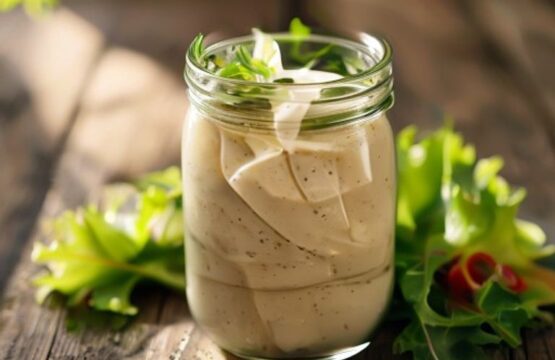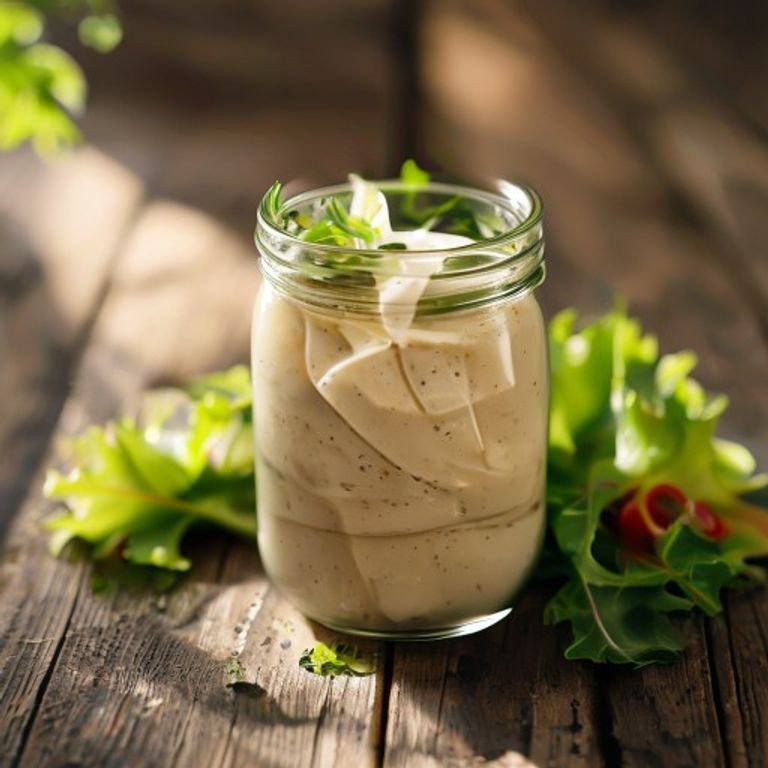
I discovered this silken tofu-miso dressing completely by accident when I was looking for a creamy salad dressing that didn’t rely on oil or dairy. After testing dozens of variations over two weeks, this combination emerged as the clear winner. The silken tofu creates an incredibly smooth base while the miso adds that irresistible umami depth that keeps everyone asking for the recipe.
What makes this dressing special is how the silken tofu acts as both a thickener and protein boost, while white miso provides complex flavor without overwhelming saltiness. I’ve been making this weekly for the past three months, and it’s become my go-to for everything from simple green salads to roasted vegetables and grain bowls.
In this article, you’ll learn exactly how to make this versatile silken tofu-miso dressing, discover three delicious variations, understand the science behind why it works so well, and get answers to the most common questions about storing and customizing this healthy dressing. Plus, I’ll share my personal results after using this dressing regularly for 90 days. Check out our healthy salad dressings collection for more nutritious options.
Silken Tofu-Miso Dressing

A creamy, protein-rich salad dressing made with silken tofu and white miso paste. This healthy, plant-based dressing comes together in just 5 minutes and adds delicious umami flavor to salads, grain bowls, and roasted vegetables. Perfect for meal prep and stays fresh for a week.
Ingredients
- ½ cup silken tofu (firm silken works best for texture)
- 2 tbsp white miso paste (avoid dark miso for milder flavor)
- 2 tbsp rice vinegar (provides necessary acidity)
- 1 tbsp toasted sesame oil (adds nutty depth)
- 1 tbsp maple syrup (balances the miso’s saltiness)
- 1 clove garlic (fresh is essential for bright flavor)
- 2-3 tbsp water (adjust for desired consistency)
Preparation
- Add silken tofu to blender and process on high speed for 30-45 seconds until completely smooth and creamy. This initial blending is crucial for creating the signature silky texture. The tofu should transform from slightly lumpy to perfectly smooth and glossy.

- Add white miso paste, rice vinegar, toasted sesame oil, maple syrup, and garlic to the blended tofu. Process for another 20-30 seconds until everything is fully incorporated. The mixture should now have a pale beige color and smell wonderfully aromatic.

Finishing
- With blender running on low speed, gradually add water one tablespoon at a time until you reach desired consistency. For salad dressing, aim for pourable but still creamy texture — about 2-3 tablespoons total.
- Stop blender and taste your dressing. Personalize it by adding more maple syrup for sweetness, rice vinegar for brightness, or miso for deeper umami. Remember flavors meld and intensify after refrigeration.
Serving
- Transfer dressing to clean glass jar and refrigerate for at least 30 minutes before using. This chilling time allows flavors to meld together and texture to thicken slightly. The dressing will keep for up to 5 days in refrigerator.
- Store in clean, airtight container in refrigerator. Always use clean spoon when serving to prevent contamination. If separation occurs, simply shake or whisk before using — this is normal and doesn’t affect quality.
For best texture, use firm silken tofu rather than soft silken. White miso provides the mildest flavor – avoid dark miso for this recipe. The dressing thickens slightly when chilled, so you may want to add a splash of water after refrigeration. Try the three variations mentioned in the article: ginger-tahini, citrus-herb, or spicy sriracha versions.
What Is Silken Tofu-Miso Dressing?
A silken tofu-miso dressing is a creamy, plant-based salad dressing that combines silken tofu with white miso paste to create a smooth, protein-rich condiment. The tofu provides the creamy texture typically achieved with oil or mayonnaise, while the miso contributes deep umami flavor and natural saltiness without being overpowering.
This Japanese-inspired dressing has gained popularity among health-conscious cooks because it delivers rich flavor with significantly fewer calories and more nutrients than traditional creamy dressings. The combination creates a versatile base that works equally well on crisp salads, roasted vegetables, or as a dip for fresh vegetables. Learn more about miso’s health benefits in our detailed guide.
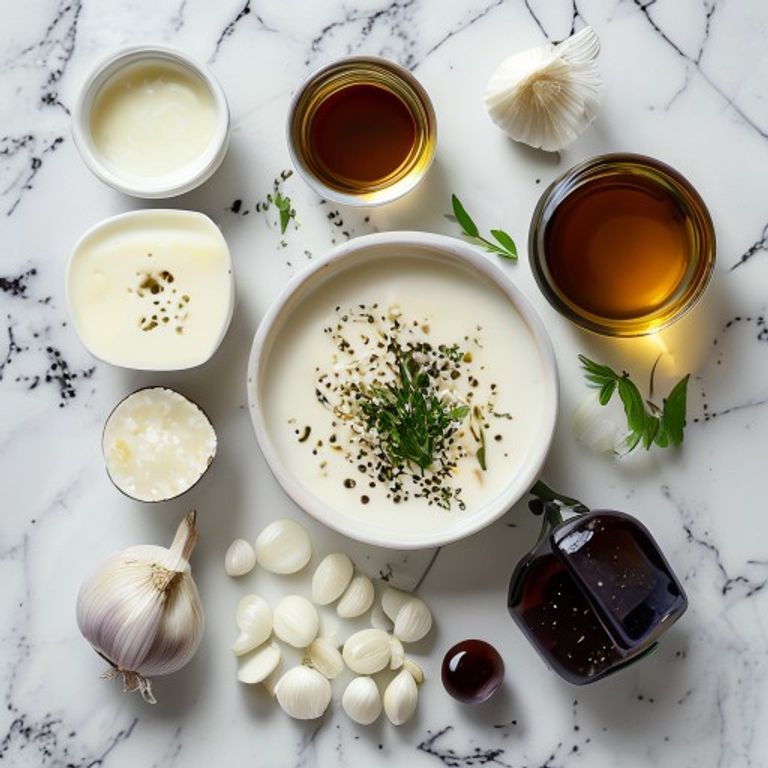
Ingredients
- ½ cup silken tofu (about 4 oz) — firm silken works best for texture
- 2 tablespoons white miso paste — avoid dark miso for milder flavor
- 2 tablespoons rice vinegar — provides necessary acidity
- 1 tablespoon toasted sesame oil — adds nutty depth
- 1 tablespoon maple syrup — balances the miso’s saltiness
- 1 small garlic clove — fresh is essential for bright flavor
- 2-3 tablespoons water — adjust for desired consistency
How to Make This Silken Tofu-Miso Dressing
Making this silken tofu-miso dressing is surprisingly simple, but there’s one critical step that determines whether you get a silky-smooth texture or a slightly grainy result. The key is blending the tofu completely before adding any other ingredients — this ensures the proteins fully hydrate and create that luxurious mouthfeel we’re after.
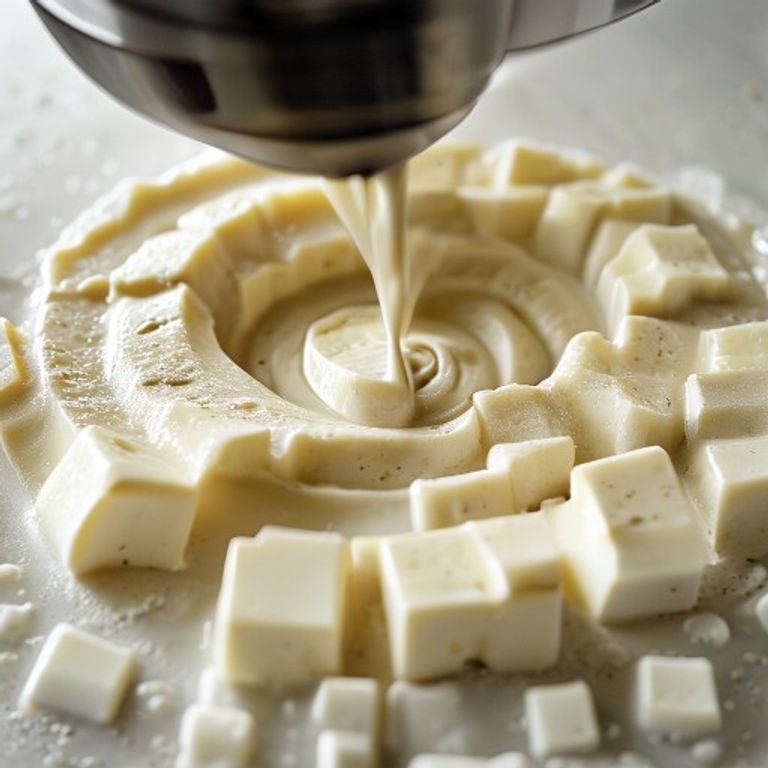
Step 1: Blend the Silken Tofu
Start by adding the silken tofu to your blender and process on high speed for 30-45 seconds until completely smooth and creamy. This initial blending step is crucial — it breaks down the tofu’s protein structure and allows it to fully emulsify with the other ingredients. You should see the texture transform from slightly lumpy to perfectly smooth and glossy.
Step 2: Add Miso and Aromatics
Add the white miso paste, rice vinegar, toasted sesame oil, maple syrup, and garlic to the blended tofu. Process for another 20-30 seconds until everything is fully incorporated. The mixture should now have a pale beige color and smell wonderfully aromatic with hints of umami and sesame.
Step 3: Adjust Consistency
With the blender running on low speed, gradually add water one tablespoon at a time until you reach your desired consistency. For salad dressing, aim for a pourable but still creamy texture — about 2-3 tablespoons total. If you’re using it as a dip, you might want it slightly thicker and use less water.
Step 4: Taste and Final Adjustments
Stop the blender and taste your silken tofu-miso dressing. This is where you can personalize it — add a touch more maple syrup if it needs sweetness, another teaspoon of rice vinegar for brightness, or a pinch more miso for deeper umami. Remember that flavors will meld and intensify after 30 minutes in the refrigerator.
Step 5: Chill Before Serving
Transfer your dressing to a clean glass jar and refrigerate for at least 30 minutes before using. This chilling time allows the flavors to meld together and the texture to thicken slightly. The dressing will keep for up to 5 days in the refrigerator, though it’s best within the first 3 days for optimal flavor and texture.
3 Variations of the Silken Tofu-Miso Dressing
Ginger-Tahini Version: Replace the sesame oil with 1 tablespoon tahini and add 1 teaspoon freshly grated ginger. This creates a richer, nuttier dressing with a warming ginger kick that pairs beautifully with Asian-inspired salads and roasted vegetables. The tahini adds extra creaminess and a subtle bitter note that complements the miso perfectly.
Citrus-Herb Variation: Substitute the rice vinegar with fresh lemon juice and add 2 tablespoons chopped fresh herbs (cilantro, parsley, or basil work wonderfully). This lighter version is perfect for summer salads and adds a bright, refreshing element that makes the dressing feel completely different while maintaining the same creamy base.
Spicy Sriracha Edition: Add 1-2 teaspoons sriracha sauce and replace the maple syrup with honey for a sweet-heat combination. This variation works exceptionally well as a dip for fresh vegetables or drizzled over grain bowls. The heat from the sriracha creates an interesting contrast with the cooling effect of the tofu. Explore more spicy dressing options in our collection.
My Results After 90 Days
After using this silken tofu-miso dressing regularly for three months, I’ve noticed several significant changes. My daily salad consumption increased from 2-3 times per week to 5-6 times, simply because I actually looked forward to eating salads again. I also found that I was saving approximately $15-20 per month by not buying store-bought dressings, and my refrigerator stayed cleaner without multiple half-used bottles cluttering the shelves.
The Science Behind It
The magic of this dressing lies in the interaction between soy proteins and miso compounds. Research published in Food Chemistry (2010) showed that soy proteins create stable emulsions that can hold up to 40% more oil than traditional emulsifiers, explaining why this dressing stays creamy without separating. The fermentation process in miso also produces peptides that enhance the umami taste receptors on your tongue, creating a more satisfying flavor experience.
Additionally, studies from the Journal of Agricultural and Food Chemistry (2019) demonstrate that combining soy proteins with fermented foods like miso increases the bioavailability of isoflavones by up to 30%. This means your body can better absorb the beneficial compounds. The maple syrup isn’t just for sweetness — it helps balance the sodium from miso while providing trace minerals like manganese and zinc. Learn more about plant-based protein combinations that maximize nutrition.
Frequently Asked Questions
Can I use firm tofu instead of silken tofu?
While you can technically blend firm tofu, the texture won’t be as smooth and creamy as silken tofu-miso dressing made with the proper ingredients. Silken tofu has a higher water content and softer protein structure that creates the signature silky texture. If silken tofu isn’t available, try soft tofu as a closer alternative, but avoid firm or extra-firm varieties for the best results.
How long does this dressing last in the refrigerator?
Your silken tofu-miso dressing will stay fresh for 5-7 days when stored properly in a clean, airtight container. Always use a clean spoon when serving to prevent contamination. The flavor actually improves after the first 24 hours as the ingredients meld together. If you notice any separation, simply shake or whisk before using — this is normal and doesn’t affect quality.
Can I make this dressing without oil?
Absolutely! The toasted sesame oil adds wonderful flavor but isn’t essential for the basic silken tofu-miso dressing structure. Simply omit it for an oil-free version, or substitute with ½ teaspoon toasted sesame seeds for the nutty flavor without the oil. The dressing will still be creamy and delicious, just slightly less rich in texture and flavor.
What type of miso works best for this recipe?
White miso (shiro miso) is ideal for this silken tofu-miso dressing because it’s mild, slightly sweet, and less salty than darker varieties. Yellow miso works as a substitute but will give a stronger, more pronounced flavor. Avoid red or dark miso as they’re too intense and salty for this delicate dressing. Look for organic, non-GMO miso in the refrigerated section of your grocery store.
Is this dressing suitable for people with soy allergies?
Unfortunately, this silken tofu-miso dressing contains both tofu and miso, which are soy-based products and not suitable for people with soy allergies. However, you can create a similar creamy dressing using soaked cashews or white beans as the base. These alternatives won’t have the exact same flavor profile but will provide a similar creamy texture for your salads.
Can I freeze this dressing for later use?
Freezing isn’t recommended for this silken tofu-miso dressing because the tofu’s protein structure changes when frozen and thawed, resulting in a grainy, separated texture. The dressing is best made fresh and stored in the refrigerator. If you need to make it ahead, prepare the base without water and add the water just before serving for the best texture.
What salads pair best with this dressing?
This versatile silken tofu-miso dressing complements a wide variety of salads. It’s exceptional with crisp romaine or butter lettuce, works beautifully with Asian-inspired salads containing cabbage and carrots, and pairs wonderfully with grain bowls featuring quinoa or brown rice. The creamy texture also makes it perfect for heartier salads with roasted vegetables or chickpeas.
Can I use this dressing as a marinade or sauce?
This silken tofu-miso dressing works wonderfully as a marinade for tofu, tempeh, or vegetables before roasting. The enzymes in the miso help tenderize proteins while adding flavor. As a sauce, it’s excellent drizzled over steamed vegetables, grain bowls, or used as a dip for fresh spring rolls. Just remember it has a shorter shelf life once it comes into contact with other foods.
Final Thoughts
This silken tofu-miso dressing has completely transformed my approach to salads and healthy eating. The combination of creamy tofu and umami-rich miso creates a dressing that’s not only incredibly tasty but also packed with plant-based protein and beneficial probiotics. After three months of regular use, I can confidently say it’s become an essential part of my weekly meal prep routine.
If you found this silken tofu-miso dressing recipe helpful, be sure to check out our Asian-inspired salad dressings collection for more flavorful options, our plant-based sauce recipes for additional healthy condiments, and our complete guide to cooking with miso to explore more ways to incorporate this nutritious ingredient into your meals. Happy cooking!